THE ADVENTURE COLLECTIVE® · Independent discovery and booking for outdoor travel

A full-day excursion from Marrakech that pairs short mountain hikes with visits to Berber villages and the Setti Fatma waterfalls. Perfect for travelers seeking cultural contact and manageable outdoor time in the High Atlas.
A full-day excursion from Marrakech that pairs short mountain hikes with visits to Berber villages and the Setti Fatma waterfalls. Perfect for travelers seeking cultural contact and manageable outdoor time in the High Atlas.
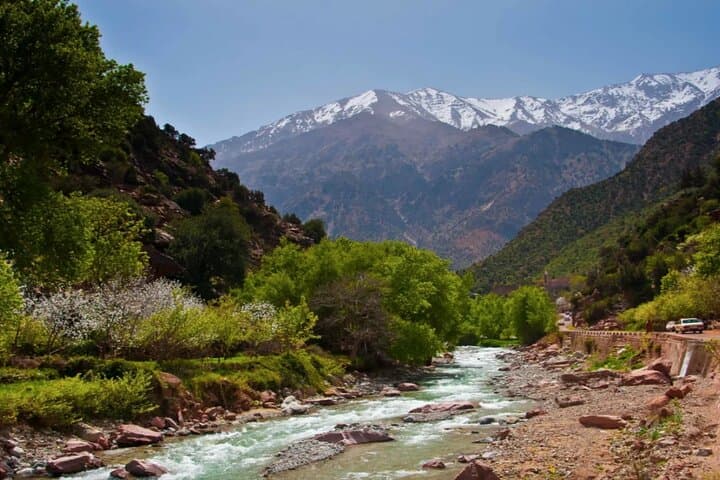
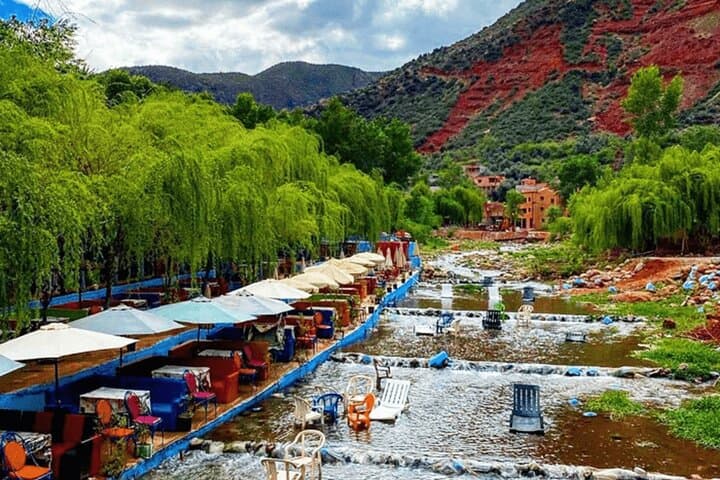
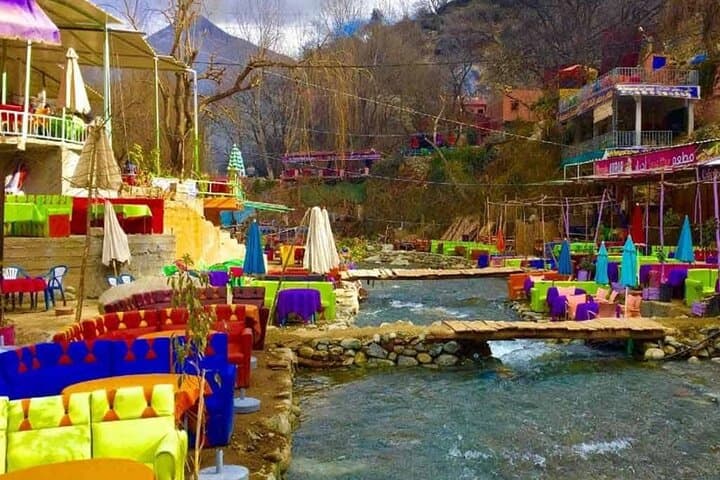
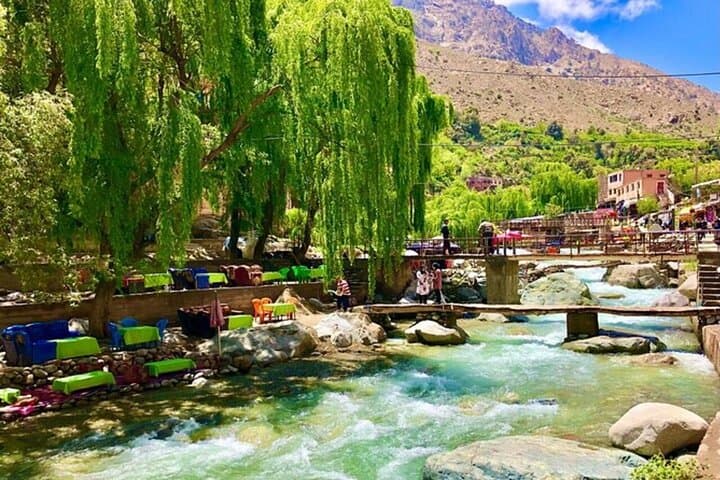
Morning light pushes across the high ridges as the road out of Marrakech opens toward the Atlas — olive terraces and stone houses come into view, and the air cools with altitude. On this full-day route the valley’s river dares you to follow it upstream, leading to orchards, terraced fields and the clustered stone homes of Berber villages where daily life moves at a measured pace.
Verified experiences and guided adventures in the surrounding area.
Operated by Starry Morocco Tours · Marrakech, Marrakesh-Safi
Morning light pushes across the high ridges as the road out of Marrakech opens toward the Atlas — olive terraces and stone houses come into view, and the air cools with altitude. On this full-day route the valley’s river dares you to follow it upstream, leading to orchards, terraced fields and the clustered stone homes of Berber villages where daily life moves at a measured pace.
Geologically the High Atlas is young and rugged, carved by tectonic uplift and seasonal creeks that have cut steep ravines into volcanic and sedimentary rock. The Ourika Valley sits on the southern slopes; its green ribbon of riverine vegetation contrasts sharply with the drier plains below. Culturally, the valley remains home to Amazigh (Berber) families who welcome visitors, sell handwoven goods, and share meals rooted in tagine and local bread.
Expect short, guided walks to viewpoints and the Setti Fatma waterfalls rather than long alpine treks — paths are rocky and may be steep in sections. A local guide or driver facilitates village visits, arranges a cooked lunch, and adapts the day for shopping or a longer hike if desired.
Practical guidance: start early to avoid midday heat, wear sturdy shoes with ankle support, carry 1.5–2 liters of water, and bring cash for small purchases. If you plan to photograph inside homes, ask permission first. Weather can change quickly in the mountains — a light layer and waterproof shell are useful even on clear days. The trip balances cultural insight with accessible outdoor time, making it a dependable and rewarding day out from Marrakech.
easy.
7–9 hours.
Suitable for travelers in general good health; requires short hikes on uneven ground and some stair/rock scrambling.
Yes — most operators include hotel pickup and drop-off in Marrakech; confirm your pickup point when booking.
Expect a few short walks of 20–60 minutes each to viewpoints and to reach the waterfalls; the tour is not a full-day trek.
A cooked Moroccan lunch is typically included or arranged at a local family’s home or restaurant; dietary requests can usually be accommodated with advance notice.
Most guides and drivers speak English and French; if you need another language, check availability before booking.
The Ourika Valley has long been a seasonal agricultural corridor for Amazigh communities; traditional irrigation and terracing are visible across the slopes.
Water use and foot traffic affect fragile riparian zones; stick to established trails, avoid single-use plastics, and buy locally made crafts to support village economies.
Starry Morocco Tours operates guided outdoor trips and adventures with an emphasis on safety, stewardship, and memorable experiences.
Morning light pushes across the high ridges as the road out of Marrakech opens toward the Atlas — olive terraces and stone houses come into view, and the air cools with altitude. On this full-day route the valley’s river dares you to follow it upstream, leading to orchards, terraced fields and the clustered stone homes of Berber villages where daily life moves at a measured pace.
Morning light pushes across the high ridges as the road out of Marrakech opens toward the Atlas — olive terraces and stone houses come into view, and the air cools with altitude. On this full-day route the valley’s river dares you to follow it upstream, leading to orchards, terraced fields and the clustered stone homes of Berber villages where daily life moves at a measured pace.
Geologically the High Atlas is young and rugged, carved by tectonic uplift and seasonal creeks that have cut steep ravines into volcanic and sedimentary rock. The Ourika Valley sits on the southern slopes; its green ribbon of riverine vegetation contrasts sharply with the drier plains below. Culturally, the valley remains home to Amazigh (Berber) families who welcome visitors, sell handwoven goods, and share meals rooted in tagine and local bread.
Expect short, guided walks to viewpoints and the Setti Fatma waterfalls rather than long alpine treks — paths are rocky and may be steep in sections. A local guide or driver facilitates village visits, arranges a cooked lunch, and adapts the day for shopping or a longer hike if desired.
Practical guidance: start early to avoid midday heat, wear sturdy shoes with ankle support, carry 1.5–2 liters of water, and bring cash for small purchases. If you plan to photograph inside homes, ask permission first. Weather can change quickly in the mountains — a light layer and waterproof shell are useful even on clear days. The trip balances cultural insight with accessible outdoor time, making it a dependable and rewarding day out from Marrakech.