THE ADVENTURE COLLECTIVE® · Independent discovery and booking for outdoor travel

A close, scenic escape from Marrakech, the Ourika Valley day trip leads to Setti Fatma’s waterfalls, terraced farms and Berber villages. Expect a riverside hike, local lunch and easy access to mountain views—ideal for a single-day adventure.
A close, scenic escape from Marrakech, the Ourika Valley day trip leads to Setti Fatma’s waterfalls, terraced farms and Berber villages. Expect a riverside hike, local lunch and easy access to mountain views—ideal for a single-day adventure.
The road out of Marrakech opens into a changing landscape—palm groves give way to tiered vegetable terraces and hamlets clinging to the lower Atlas slopes. The Ourika River threads the valley, its current daring you toward the cool spray of Setti Fatma’s waterfalls. Driving through bands of ochre rock, you feel the city fall behind and the mountains press closer.
Verified experiences and guided adventures in the surrounding area.
Operated by morocco geo trips · Marrakech, Marrakesh-Safi
The road out of Marrakech opens into a changing landscape—palm groves give way to tiered vegetable terraces and hamlets clinging to the lower Atlas slopes. The Ourika River threads the valley, its current daring you toward the cool spray of Setti Fatma’s waterfalls. Driving through bands of ochre rock, you feel the city fall behind and the mountains press closer.
This corridor has long been shaped by Berber farmers; terraces and stone houses trace patterns set in the 16th and 17th centuries, while the Atlas itself records the slow collision of African and Eurasian plates in exposed metamorphic folds. Local culture is visible in roadside stalls and the Monday souk, where villagers trade produce, textiles and conversation.
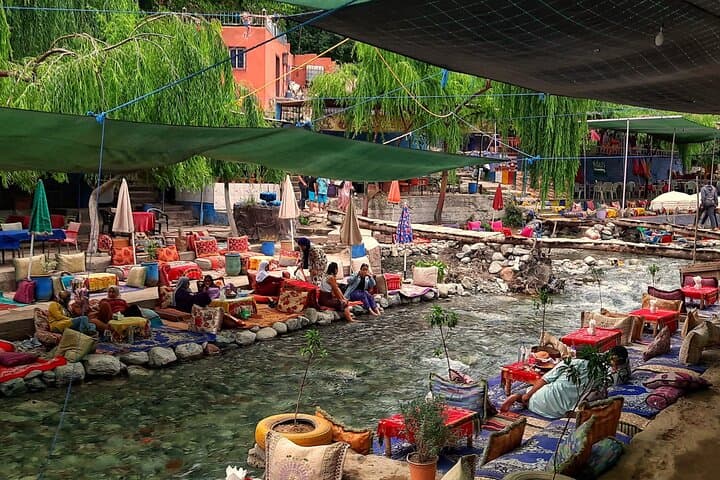
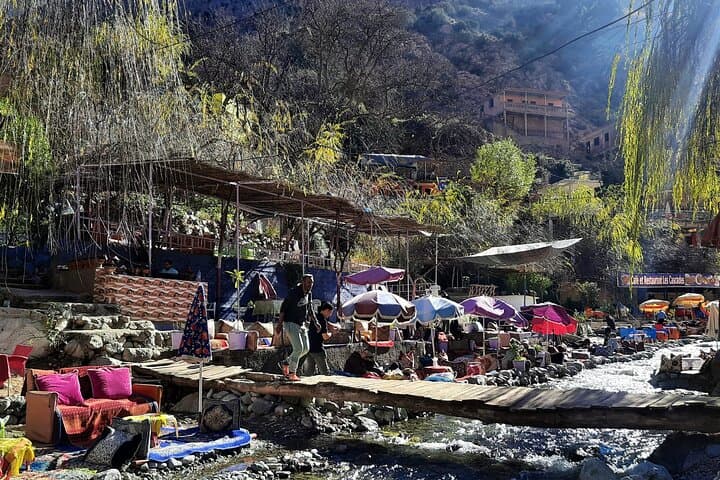
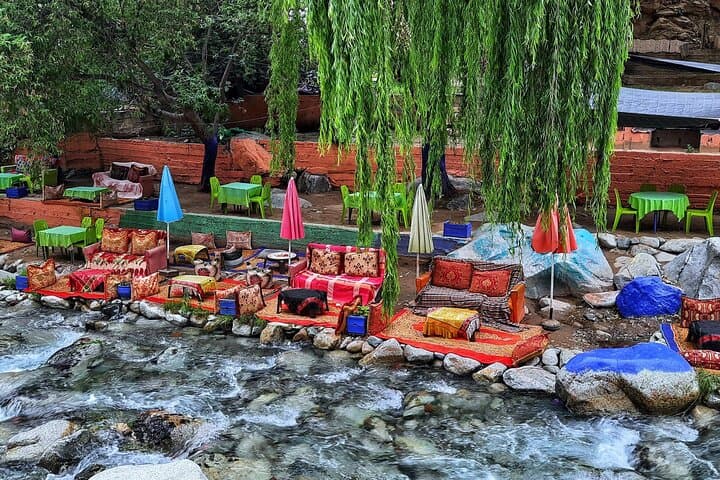
Expect a short, guided hike at Setti Fatma: rocky paths, intermittent stone steps and river crossings lead to several cascades. The waterfalls swell in winter and after spring rains; in summer they cool the air and attract locals for riverside lunches.
Practical guidance: the trip is typically a 45–75 minute drive each way from Marrakech, lasting about seven hours total. Wear stable shoes for uneven terrain, bring sun protection and at least 1–2 liters of water, and carry small change for purchases and tips. Modest clothing is respectful in village settings. Book a tour with transport and a local guide to navigate the trail and cultural stops; arrive earlier in the day to avoid peak heat and crowding at the falls.
moderate.
6–7 hours.
Moderate fitness for walking on uneven trails and short climbs; suitable for most active travelers.
The drive typically takes 45–75 minutes each way depending on traffic and exact pickup location.
The hike consists of uneven, sometimes slippery paths with short elevation changes; it’s moderate but manageable for most visitors with steady footwear.
Yes—riverside restaurants and small shops in Setti Fatma serve lunches and snacks; bring cash for smaller vendors.
Yes—many family groups join; adjust expectations for pace and avoid steep sections if mobility is limited.
Berber communities have farmed these terraces for centuries; the valley served as both an agricultural lifeline and a seasonal retreat from the plains.
Water is a precious resource here—stick to trails, avoid single-use plastics, and support local guides and restaurants to benefit the community.
morocco geo trips operates guided outdoor trips and adventures with an emphasis on safety, stewardship, and memorable experiences.
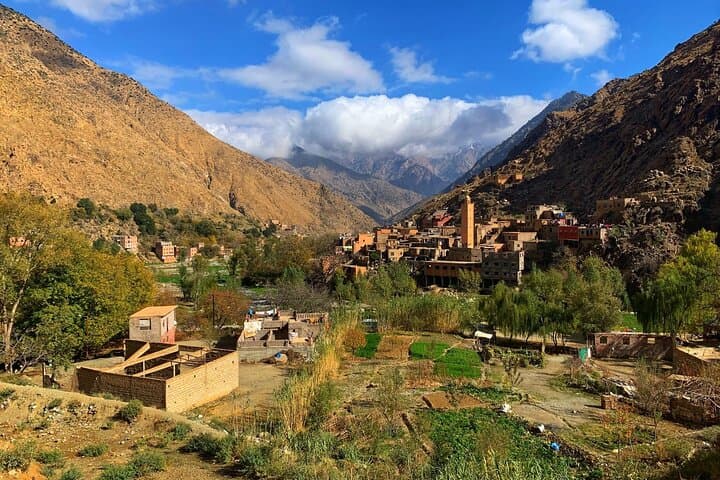
The road out of Marrakech opens into a changing landscape—palm groves give way to tiered vegetable terraces and hamlets clinging to the lower Atlas slopes. The Ourika River threads the valley, its current daring you toward the cool spray of Setti Fatma’s waterfalls. Driving through bands of ochre rock, you feel the city fall behind and the mountains press closer.
The road out of Marrakech opens into a changing landscape—palm groves give way to tiered vegetable terraces and hamlets clinging to the lower Atlas slopes. The Ourika River threads the valley, its current daring you toward the cool spray of Setti Fatma’s waterfalls. Driving through bands of ochre rock, you feel the city fall behind and the mountains press closer.
This corridor has long been shaped by Berber farmers; terraces and stone houses trace patterns set in the 16th and 17th centuries, while the Atlas itself records the slow collision of African and Eurasian plates in exposed metamorphic folds. Local culture is visible in roadside stalls and the Monday souk, where villagers trade produce, textiles and conversation.
Expect a short, guided hike at Setti Fatma: rocky paths, intermittent stone steps and river crossings lead to several cascades. The waterfalls swell in winter and after spring rains; in summer they cool the air and attract locals for riverside lunches.
Practical guidance: the trip is typically a 45–75 minute drive each way from Marrakech, lasting about seven hours total. Wear stable shoes for uneven terrain, bring sun protection and at least 1–2 liters of water, and carry small change for purchases and tips. Modest clothing is respectful in village settings. Book a tour with transport and a local guide to navigate the trail and cultural stops; arrive earlier in the day to avoid peak heat and crowding at the falls.