THE ADVENTURE COLLECTIVE® · Independent discovery and booking for outdoor travel

Drive from Marrakech into the green Ourika Valley, visit an argan cooperative and a Berber home, then walk to the Setti Fatma waterfalls. This accessible day trip blends light hiking, local culture, and sweeping Atlas foothill scenery.
Drive from Marrakech into the green Ourika Valley, visit an argan cooperative and a Berber home, then walk to the Setti Fatma waterfalls. This accessible day trip blends light hiking, local culture, and sweeping Atlas foothill scenery.
A cool breeze from the High Atlas meets the heat of Marrakech as the road climbs out of the city and into green terraces and palm groves. The Ourika River threads the valley, daring you to follow it upstream toward the village of Setti Fatma and its series of waterfalls. Along the way you'll pass roadside argan presses and low stone Berber homes where smoke rises from wood stoves and guests are welcomed with mint tea.
Verified experiences and guided adventures in the surrounding area.
Operated by Marrakesh All Services · Marrakech, Marrakech-Safi
A cool breeze from the High Atlas meets the heat of Marrakech as the road climbs out of the city and into green terraces and palm groves. The Ourika River threads the valley, daring you to follow it upstream toward the village of Setti Fatma and its series of waterfalls. Along the way you'll pass roadside argan presses and low stone Berber homes where smoke rises from wood stoves and guests are welcomed with mint tea.
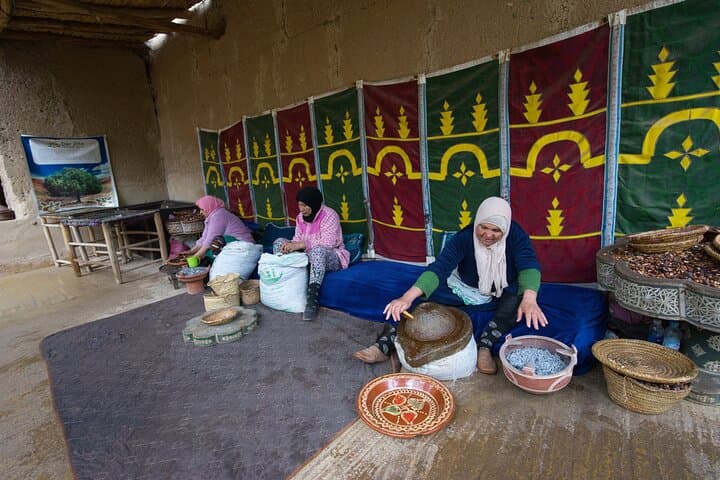
Geologically, the lower Ourika lies on eroded sedimentary slopes feeding into the High Atlas foothills — simple peaks carved by seasonal streams. Culturally, this valley has long been a summer escape for Marrakech residents, and Amazigh (Berber) families maintain traditional olive and almond orchards here. A short stop at an argan cooperative illustrates how local women press nuts into oil and prepare amlou, a dense almond-honey spread that makes a practical breakfast on the trail.
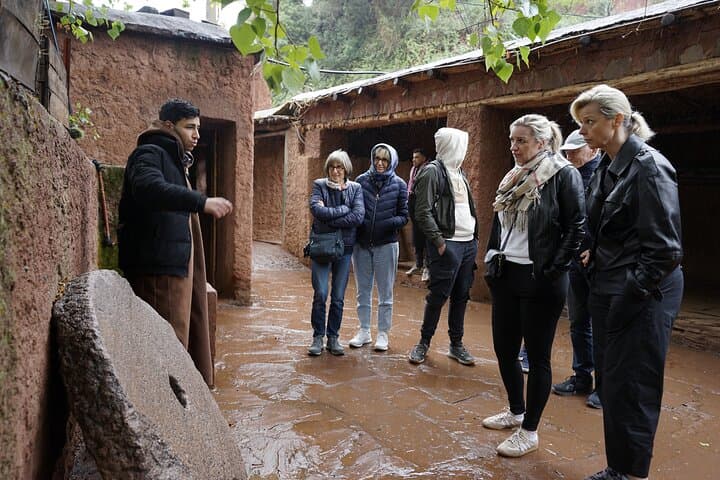
Practically, the tour is a full-day loop from central Marrakech (about 1–1.5 hours each way depending on traffic), with guided walks to viewing points and a modest hike to the first cascades at Setti Fatma. Expect uneven stone steps, occasional muddy stretches after rain, and multiple short photo stops. Bring sturdy shoes, sun protection, and cash for small purchases or tea in village homes. The trip balances easy cultural stops with a manageable taste of Atlas hiking — ideal for travelers who want nature, culture, and a short mountain walk without technical gear.
easy.
6–7 hours.
Suitable for most travelers who can walk short, uneven trails and climb stairs; minimal sustained exertion.
Expect roughly 45–90 minutes each way depending on traffic and your meeting point in Marrakech.
The primary walk is short and non-technical but includes uneven stone steps and some steep sections; it's suitable for moderately mobile visitors.
Yes — many tours include a visit to a local family for tea; be respectful, accept only invited areas, and ask before photographing interiors or people.
Some tour options include lunch; otherwise there are village cafés where you can buy a simple tagine or bread and tea.
The Ourika Valley has long been used by Amazigh (Berber) communities as summer pasture and orchards, with traditional stone villages that predate modern Marrakech expansion.
Water is scarce seasonally; stick to marked paths, avoid littering, and support local cooperatives that offer sustainable income to village families.
Marrakesh All Services operates guided outdoor trips and adventures with an emphasis on safety, stewardship, and memorable experiences.
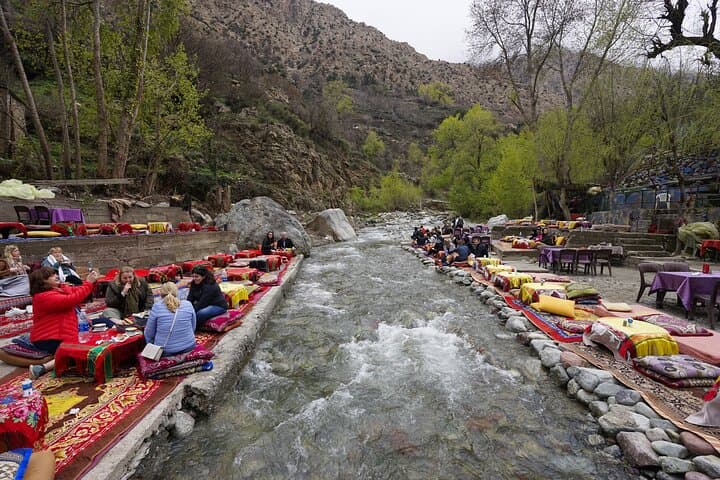
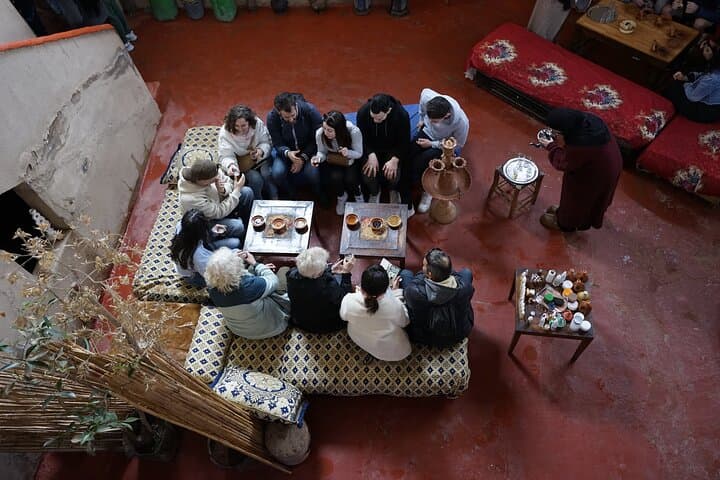
A cool breeze from the High Atlas meets the heat of Marrakech as the road climbs out of the city and into green terraces and palm groves. The Ourika River threads the valley, daring you to follow it upstream toward the village of Setti Fatma and its series of waterfalls. Along the way you'll pass roadside argan presses and low stone Berber homes where smoke rises from wood stoves and guests are welcomed with mint tea.
A cool breeze from the High Atlas meets the heat of Marrakech as the road climbs out of the city and into green terraces and palm groves. The Ourika River threads the valley, daring you to follow it upstream toward the village of Setti Fatma and its series of waterfalls. Along the way you'll pass roadside argan presses and low stone Berber homes where smoke rises from wood stoves and guests are welcomed with mint tea.
Geologically, the lower Ourika lies on eroded sedimentary slopes feeding into the High Atlas foothills — simple peaks carved by seasonal streams. Culturally, this valley has long been a summer escape for Marrakech residents, and Amazigh (Berber) families maintain traditional olive and almond orchards here. A short stop at an argan cooperative illustrates how local women press nuts into oil and prepare amlou, a dense almond-honey spread that makes a practical breakfast on the trail.
Practically, the tour is a full-day loop from central Marrakech (about 1–1.5 hours each way depending on traffic), with guided walks to viewing points and a modest hike to the first cascades at Setti Fatma. Expect uneven stone steps, occasional muddy stretches after rain, and multiple short photo stops. Bring sturdy shoes, sun protection, and cash for small purchases or tea in village homes. The trip balances easy cultural stops with a manageable taste of Atlas hiking — ideal for travelers who want nature, culture, and a short mountain walk without technical gear.