THE ADVENTURE COLLECTIVE® · Independent discovery and booking for outdoor travel

A full-day loop from Marrakech into three Atlas valleys: Lalla Takerkoust, Imlil/Asni and the Ourika Gorge. Expect riverside lunches, waterfalls, pottery workshops and close encounters with Berber village life.
A full-day loop from Marrakech into three Atlas valleys: Lalla Takerkoust, Imlil/Asni and the Ourika Gorge. Expect riverside lunches, waterfalls, pottery workshops and close encounters with Berber village life.
The minivan peels away from Marrakech at 9 AM and the city’s dust gives way to scrub, olive groves and the rising flank of the High Atlas. First stop is Lalla Takerkoust and the Kik Plateau, where the lake stretches like dark glass beneath cliffs and, in winter, the High Atlas pins whitest snow against the sky. The road threads through low stone Berber villages—flat-roofed, earthen—before dropping into the Imlil and Ourika valleys.
Verified experiences and guided adventures in the surrounding area.
Operated by Go Morocco Travel · Marrakech, Marrakech-Safi
The minivan peels away from Marrakech at 9 AM and the city’s dust gives way to scrub, olive groves and the rising flank of the High Atlas. First stop is Lalla Takerkoust and the Kik Plateau, where the lake stretches like dark glass beneath cliffs and, in winter, the High Atlas pins whitest snow against the sky. The road threads through low stone Berber villages—flat-roofed, earthen—before dropping into the Imlil and Ourika valleys.
Geology here is recent and raw: the Atlas rose as Africa pushed north, folding metamorphic layers into jagged ridgelines. Culturally the route traces Amazigh (Berber) lifeways—argan presses and pottery workshops that still use local clay and centuries-old techniques. In Sitti Fatma the river dares you to cool your feet beneath the falls; at Tafza a host will open a traditional house and explain household crafts.
Expect a practical, full-day rhythm: photo stops, a 1–2 km guided walk to the Ourika falls (≈100–150 m cumulative ascent on rocky paths), a riverside lunch and a 90–120 minute cultural visit to pottery and argan cooperatives. The day mixes light hiking with vehicle transit—roughly 9–10 hours total, with intermittent unpaved stretches.
Bring sturdy walking shoes, layered clothing for mountain sun and wind, cash for small purchases and a reusable bottle (water provided, but refillable is better). Time your visit outside peak heat, and prioritize small, locally run cooperatives when buying argan or crafts: it keeps revenue in valley communities and reduces environmental pressure.
moderate.
9–10 hours.
Suitable for someone with a moderate fitness level; involves short hikes and standing during village visits
Pickup is generally from Marrakech hotels and the tour returns to Marrakech in the early evening (around 6 PM).
Expect 1–2 km of guided walking to the waterfalls with intermittent uneven footing; most of the day is vehicle-based with short village visits.
A riverside lunch is included at a local restaurant and bottled water is provided; bring extra cash for snacks or souvenirs.
Children can join but the itinerary includes uneven footing near waterfalls; the tour is not recommended for people with significant spinal injuries due to vehicle transfers and walking.
The High Atlas corridor has long been inhabited by Amazigh (Berber) communities whose stone-and-earth villages and argan cultivation reflect centuries of mountain adaptation.
Support certified cooperatives for argan and pottery to ensure income stays local; avoid single-use plastics and stay on marked paths to limit erosion.
Go Morocco Travel operates guided outdoor trips and adventures with an emphasis on safety, stewardship, and memorable experiences.
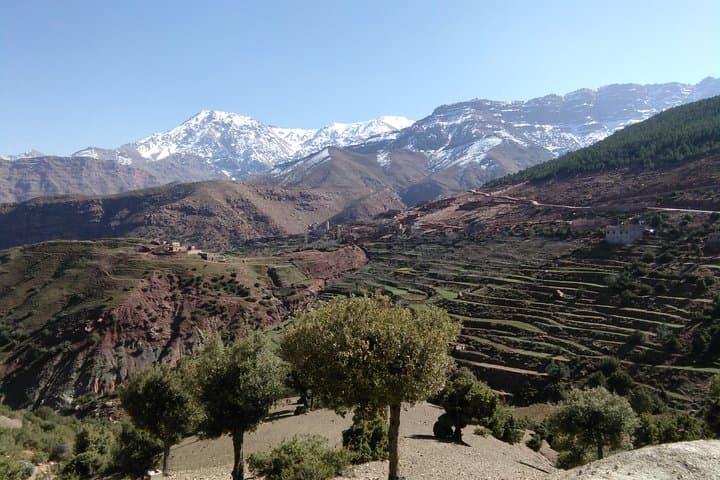
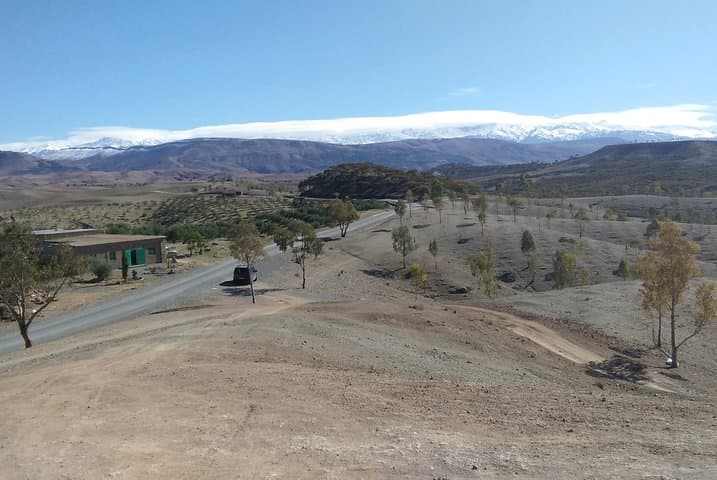
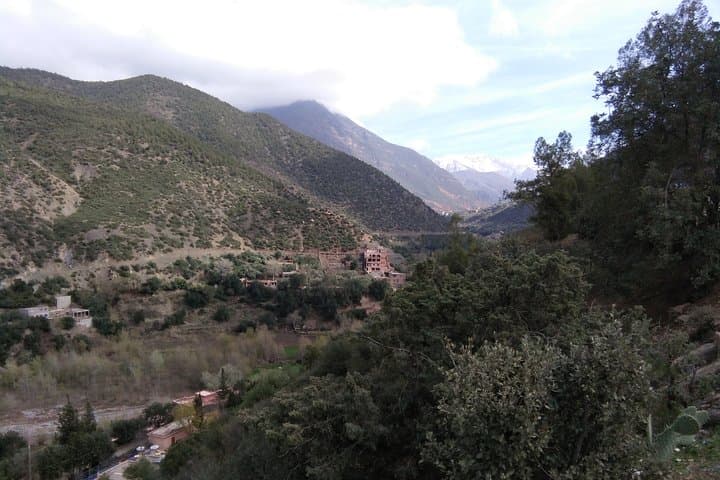
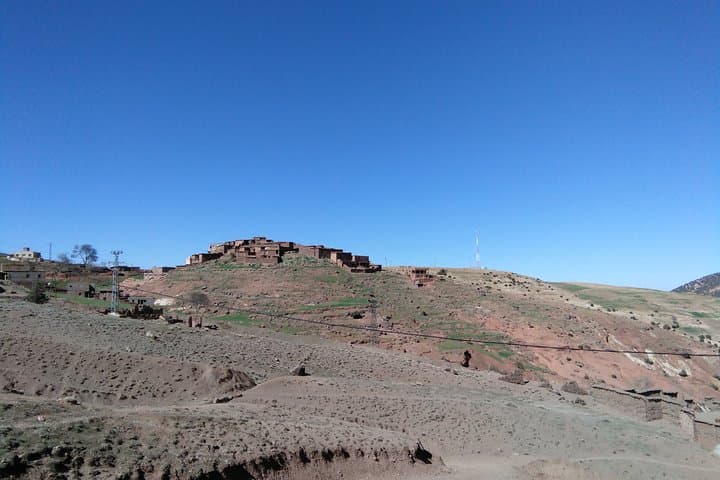
The minivan peels away from Marrakech at 9 AM and the city’s dust gives way to scrub, olive groves and the rising flank of the High Atlas. First stop is Lalla Takerkoust and the Kik Plateau, where the lake stretches like dark glass beneath cliffs and, in winter, the High Atlas pins whitest snow against the sky. The road threads through low stone Berber villages—flat-roofed, earthen—before dropping into the Imlil and Ourika valleys.
The minivan peels away from Marrakech at 9 AM and the city’s dust gives way to scrub, olive groves and the rising flank of the High Atlas. First stop is Lalla Takerkoust and the Kik Plateau, where the lake stretches like dark glass beneath cliffs and, in winter, the High Atlas pins whitest snow against the sky. The road threads through low stone Berber villages—flat-roofed, earthen—before dropping into the Imlil and Ourika valleys.
Geology here is recent and raw: the Atlas rose as Africa pushed north, folding metamorphic layers into jagged ridgelines. Culturally the route traces Amazigh (Berber) lifeways—argan presses and pottery workshops that still use local clay and centuries-old techniques. In Sitti Fatma the river dares you to cool your feet beneath the falls; at Tafza a host will open a traditional house and explain household crafts.
Expect a practical, full-day rhythm: photo stops, a 1–2 km guided walk to the Ourika falls (≈100–150 m cumulative ascent on rocky paths), a riverside lunch and a 90–120 minute cultural visit to pottery and argan cooperatives. The day mixes light hiking with vehicle transit—roughly 9–10 hours total, with intermittent unpaved stretches.
Bring sturdy walking shoes, layered clothing for mountain sun and wind, cash for small purchases and a reusable bottle (water provided, but refillable is better). Time your visit outside peak heat, and prioritize small, locally run cooperatives when buying argan or crafts: it keeps revenue in valley communities and reduces environmental pressure.