THE ADVENTURE COLLECTIVE® · Independent discovery and booking for outdoor travel

Walk the lantern-lit alleys of Marrakech’s Medina, tasting 6+ iconic street foods and learning local culinary customs from a licensed guide. This 2.5–3 hour evening tour focuses on authentic neighborhood spots rather than tourist traps.
Walk the lantern-lit alleys of Marrakech’s Medina, tasting 6+ iconic street foods and learning local culinary customs from a licensed guide. This 2.5–3 hour evening tour focuses on authentic neighborhood spots rather than tourist traps.
The lanterns of the Medina cast a honeyed glow as you step off the main square and into alleys where steam, spice and conversation weave together. A licensed local guide leads you past stalls and courtyards, each stop a small theatre of sound and scent: the slap of dough for fried donuts, the low simmer of harira, and the slow, smoky aroma of tanjia rising from clay jars.
Verified experiences and guided adventures in the surrounding area.
Operated by Amayyur · Marrakech, Marrakech-Safi
The lanterns of the Medina cast a honeyed glow as you step off the main square and into alleys where steam, spice and conversation weave together. A licensed local guide leads you past stalls and courtyards, each stop a small theatre of sound and scent: the slap of dough for fried donuts, the low simmer of harira, and the slow, smoky aroma of tanjia rising from clay jars.
Marrakech’s food culture is centuries old, shaped by Berber, Arab and Andalusian influences and intensified here in the historic medina where neighborhoods developed around markets and guilds. The stone lanes and ochre walls are not geological showpieces, but they frame a living culinary history—techniques passed down through families, spice blends tuned to specific dishes, and the ritual of mint tea that closes many evenings.
Practically: expect 2.5–3 hours on foot across uneven stone, cobbles and occasional steps. The pace is relaxed but intimate—small-group sizes let the guide point out where locals actually eat. Bring cash for additional purchases, and arrive with an appetite rather than a strict schedule; portions are tasting-sized but filling across 6+ stops. Hydrate before you start (evening Marrakech is warm most of the year), wear sturdy shoes for slick stones, and be ready to ask questions — vendors welcome curious diners. This walk is ideal for first-time visitors who want a sensory, culturally grounded introduction to Marrakech, and for food lovers who prefer local rhythms to tourist menus.
easy.
2–3 hours.
Light walking for people of average mobility; suitable for most fitness levels.
Yes, but options may be limited—notify the operator in advance so guides can include vegetarian-friendly stops.
Parts of the Medina include narrow alleys and cobbles; while the operator lists accessibility, some sections may be difficult for wheelchairs—ask for route details when booking.
The tour includes 6+ tastings sized for sampling, plus a dinner stop; it’s designed to give a broad overview rather than a full restaurant meal at each stop.
Tipping the guide and occasional vendors is customary; bring small notes to distribute as you feel the service merits.
Marrakech’s culinary identity grew in the medina, where market neighborhoods and guilds centralized trade and local recipes evolved through Berber, Arab and Andalusian influences.
Support small vendors and avoid single-use plastics; choosing locally run tours funnels revenue to neighborhood economies and helps sustain traditional foodways.
Amayyur operates guided outdoor trips and adventures with an emphasis on safety, stewardship, and memorable experiences.
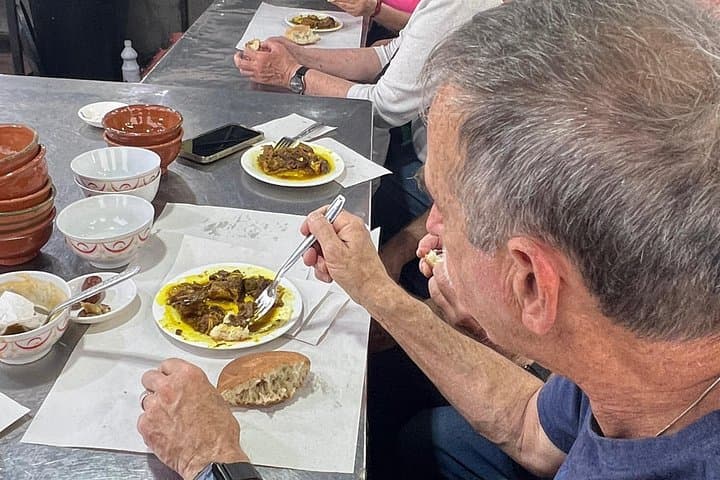
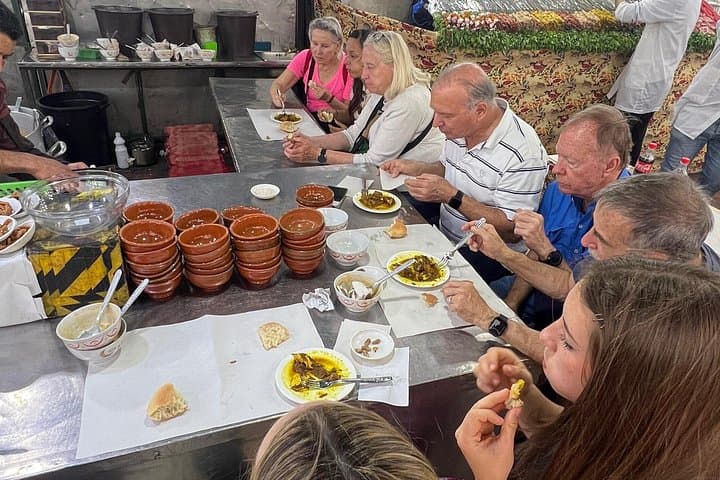
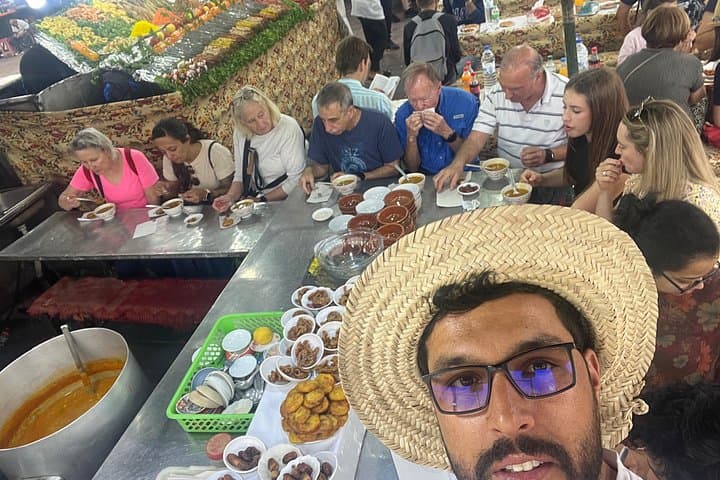
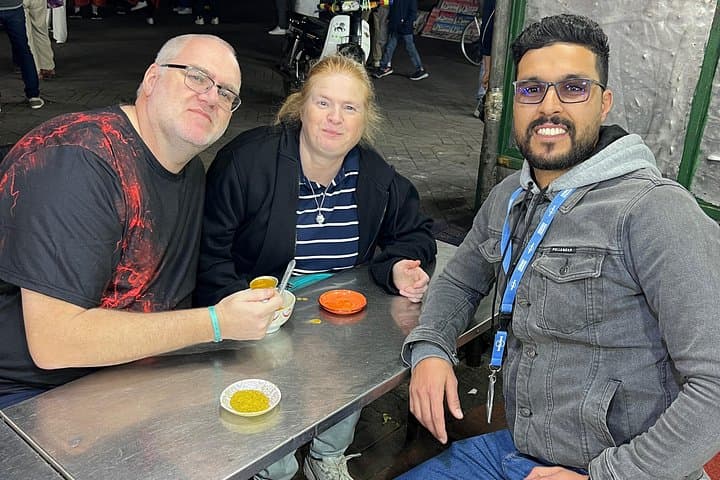
The lanterns of the Medina cast a honeyed glow as you step off the main square and into alleys where steam, spice and conversation weave together. A licensed local guide leads you past stalls and courtyards, each stop a small theatre of sound and scent: the slap of dough for fried donuts, the low simmer of harira, and the slow, smoky aroma of tanjia rising from clay jars.
The lanterns of the Medina cast a honeyed glow as you step off the main square and into alleys where steam, spice and conversation weave together. A licensed local guide leads you past stalls and courtyards, each stop a small theatre of sound and scent: the slap of dough for fried donuts, the low simmer of harira, and the slow, smoky aroma of tanjia rising from clay jars.
Marrakech’s food culture is centuries old, shaped by Berber, Arab and Andalusian influences and intensified here in the historic medina where neighborhoods developed around markets and guilds. The stone lanes and ochre walls are not geological showpieces, but they frame a living culinary history—techniques passed down through families, spice blends tuned to specific dishes, and the ritual of mint tea that closes many evenings.
Practically: expect 2.5–3 hours on foot across uneven stone, cobbles and occasional steps. The pace is relaxed but intimate—small-group sizes let the guide point out where locals actually eat. Bring cash for additional purchases, and arrive with an appetite rather than a strict schedule; portions are tasting-sized but filling across 6+ stops. Hydrate before you start (evening Marrakech is warm most of the year), wear sturdy shoes for slick stones, and be ready to ask questions — vendors welcome curious diners. This walk is ideal for first-time visitors who want a sensory, culturally grounded introduction to Marrakech, and for food lovers who prefer local rhythms to tourist menus.