THE ADVENTURE COLLECTIVE® · Independent discovery and booking for outdoor travel

Nine days from Marrakech carry you through the High Atlas, valley kasbahs, medieval Fes and the wind-carved sands of Erg Chebbi. Expect long drives, short treks, camel rides and overnight desert camps under clear stars.
Nine days from Marrakech carry you through the High Atlas, valley kasbahs, medieval Fes and the wind-carved sands of Erg Chebbi. Expect long drives, short treks, camel rides and overnight desert camps under clear stars.
The day begins in Marrakech with saffron light spilling across the plaza and a driver steering you out of the city toward the High Atlas. Roads climb and the Tizi n’Tichka pass breathes cold air; villages cling to slopes and stone ksars stand like memories beside the road. By dusk you’re watching Erg Chebbi’s dunes fold gold into shadow, the sand daring you to climb and the desert sky to keep its promises.
Verified experiences and guided adventures in the surrounding area.
Operated by Tilila Travel · Marrakech, Marrakech-Safi
The day begins in Marrakech with saffron light spilling across the plaza and a driver steering you out of the city toward the High Atlas. Roads climb and the Tizi n’Tichka pass breathes cold air; villages cling to slopes and stone ksars stand like memories beside the road. By dusk you’re watching Erg Chebbi’s dunes fold gold into shadow, the sand daring you to climb and the desert sky to keep its promises.
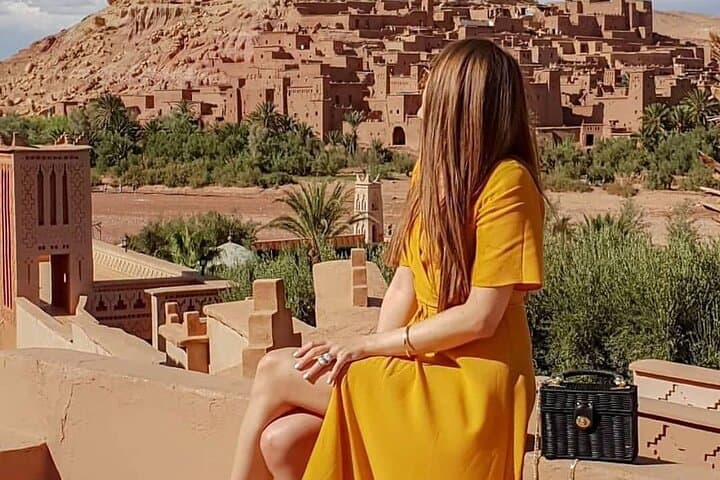
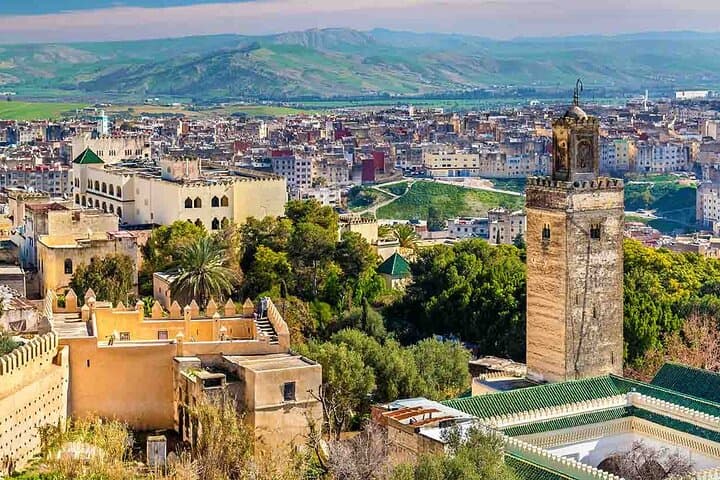
This itinerary stitches imperial cities, mountain passes, palm oases and the Sahara. Aït Ben Haddou—a UNESCO ksar—marks the old caravan routes that once threaded North Africa; the High Atlas is young, tectonically sculpted rock uplifted by Africa-Eurasia collision. In Fes the medina’s lanes carry medieval crafts and centuries of trade; in Chefchaouen, Spanish-influenced alleys cool the mountain air.
Local culture pivots between Amazigh (Berber) traditions and Arab urban centers: stay in riads, share mint tea, and listen for drum patterns at a desert bivouac. Wildlife appears in small, vivid moments—the Cedar forest’s macaques, a fennec’s quick silhouette at dusk.
Practical guidance: this is a travel-heavy, low-impact adventure—expect long drives (several 4–6 hour legs), short hikes in gorges, and a 90–120 minute sunset camel ride to camp. Pack layered clothing for hot days and cold desert nights, sturdy walking shoes for medina stones and canyon scrambles, and a headlamp for desert camps. Hydrate on the road and plan for limited connectivity in remote stretches. If you want photography windows, ask guides to time stops for sunrise in the dunes and sunset over Aït Ben Haddou.
moderate.
9 days.
Suitable for travelers in general good health who can handle several hours of walking on uneven surfaces and repeated travel days
No—camels kneel to load and handlers assist; rides are relatively gentle though you should be able to mount a low platform and sit for 90–120 minutes.
Accommodations, most breakfasts, two dinners, airport transfers, local guides in Marrakech and Fes, and a camel ride with desert camp overnight are included—check your booking for specifics.
The tour is rated easy to moderate but includes uneven surfaces, stairs in riads and canyon walks; not recommended for those with major mobility or spinal issues.
Tipping is customary for drivers, guides and camp staff; carry small denominations and tip according to service—about a few euros or equivalent dirham per person per service is common.
Aït Ben Haddou is a fortified ksar on ancient trans-Saharan trade routes and many imperial cities on this route grew from medieval caravan commerce and scholarship.
Desert ecosystems are fragile—minimize water use, pack out waste, and choose operators who avoid driving on unchecked dune areas to protect flora and fauna.
Tilila Travel operates guided outdoor trips and adventures with an emphasis on safety, stewardship, and memorable experiences.
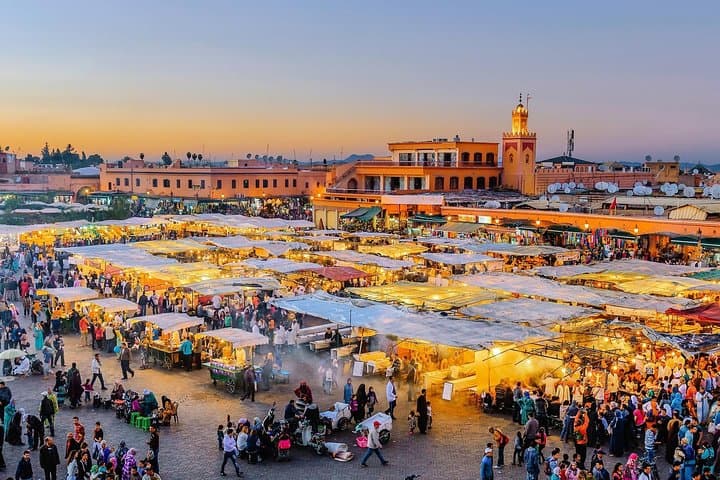
The day begins in Marrakech with saffron light spilling across the plaza and a driver steering you out of the city toward the High Atlas. Roads climb and the Tizi n’Tichka pass breathes cold air; villages cling to slopes and stone ksars stand like memories beside the road. By dusk you’re watching Erg Chebbi’s dunes fold gold into shadow, the sand daring you to climb and the desert sky to keep its promises.
The day begins in Marrakech with saffron light spilling across the plaza and a driver steering you out of the city toward the High Atlas. Roads climb and the Tizi n’Tichka pass breathes cold air; villages cling to slopes and stone ksars stand like memories beside the road. By dusk you’re watching Erg Chebbi’s dunes fold gold into shadow, the sand daring you to climb and the desert sky to keep its promises.
This itinerary stitches imperial cities, mountain passes, palm oases and the Sahara. Aït Ben Haddou—a UNESCO ksar—marks the old caravan routes that once threaded North Africa; the High Atlas is young, tectonically sculpted rock uplifted by Africa-Eurasia collision. In Fes the medina’s lanes carry medieval crafts and centuries of trade; in Chefchaouen, Spanish-influenced alleys cool the mountain air.
Local culture pivots between Amazigh (Berber) traditions and Arab urban centers: stay in riads, share mint tea, and listen for drum patterns at a desert bivouac. Wildlife appears in small, vivid moments—the Cedar forest’s macaques, a fennec’s quick silhouette at dusk.
Practical guidance: this is a travel-heavy, low-impact adventure—expect long drives (several 4–6 hour legs), short hikes in gorges, and a 90–120 minute sunset camel ride to camp. Pack layered clothing for hot days and cold desert nights, sturdy walking shoes for medina stones and canyon scrambles, and a headlamp for desert camps. Hydrate on the road and plan for limited connectivity in remote stretches. If you want photography windows, ask guides to time stops for sunrise in the dunes and sunset over Aït Ben Haddou.