THE ADVENTURE COLLECTIVE® · Independent discovery and booking for outdoor travel

Start your day in Marrakech’s beating heart: a guided morning through the medina’s souks where craftsmen, spices, and leather meet centuries of trade. Learn bargaining, spot authentic cooperatives, and arrange shipping for your finds.
Start your day in Marrakech’s beating heart: a guided morning through the medina’s souks where craftsmen, spices, and leather meet centuries of trade. Learn bargaining, spot authentic cooperatives, and arrange shipping for your finds.
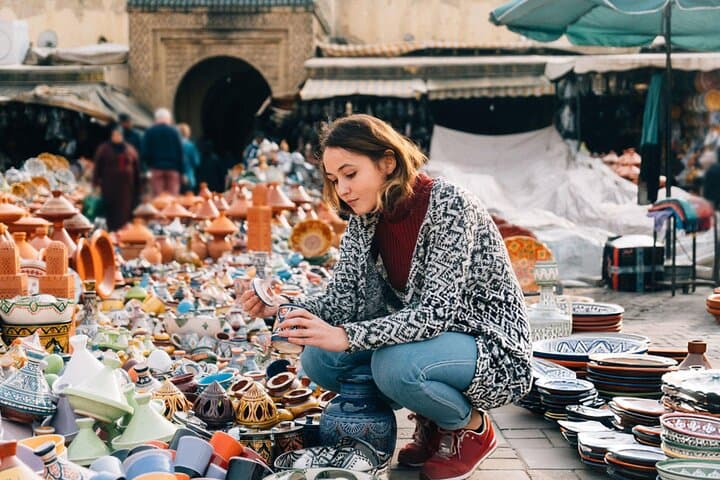
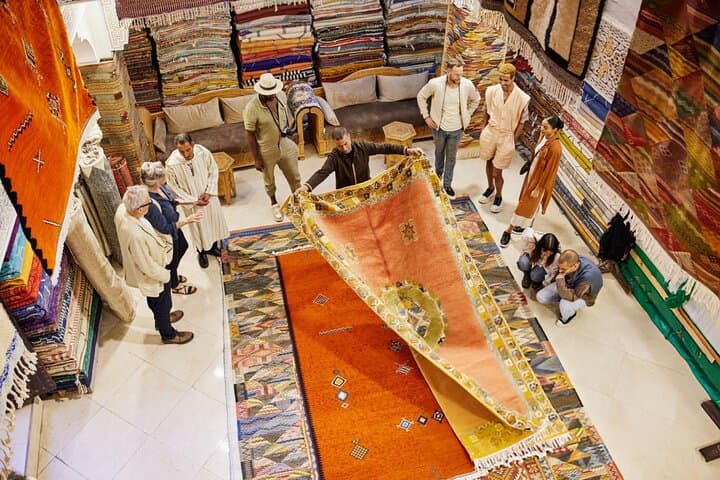
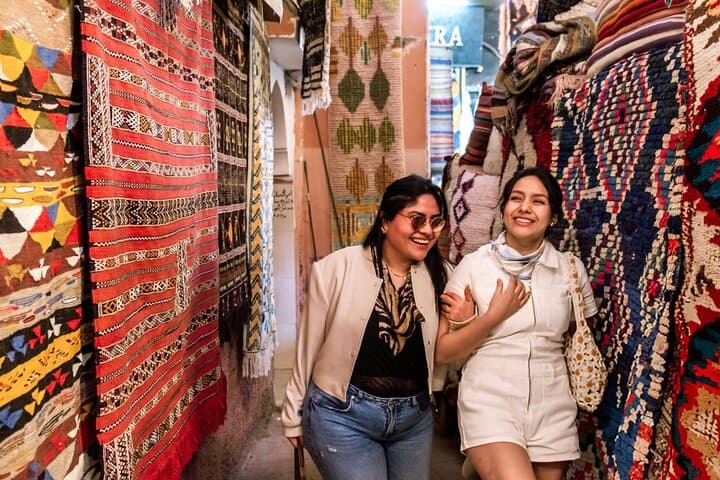
Morning breaks over Jemaa el-Fna and the medina wakes like a giant slow-breathing market—lantern sellers lift metalwork into shafts of amber light while spice vendors heap bright pyramids that smell of cumin and citrus peel. A local guide cuts through narrow alleys, steering you past tourist traps toward workshops where leather is still hand-stitched and rug weaves tell family stories.
Verified experiences and guided adventures in the surrounding area.
Operated by Marrakech Culture Tours · Marrakech, Marrakech-Safi
Morning breaks over Jemaa el-Fna and the medina wakes like a giant slow-breathing market—lantern sellers lift metalwork into shafts of amber light while spice vendors heap bright pyramids that smell of cumin and citrus peel. A local guide cuts through narrow alleys, steering you past tourist traps toward workshops where leather is still hand-stitched and rug weaves tell family stories.
Marrakech’s souks grew from 11th-century trade routes; today the labyrinth is a living craft economy organized by specialty—leather, metalwork, carpets, and perfume—and each lane holds techniques passed through generations. The city’s red-earth walls and nearby Atlas foothills shape a climate of hot, dry days and cool evenings; the goods on sale reflect that environment—light textiles, preserved spices and durable leather.
Expect close-quarters walking, sudden open squares, and stalls that invite bargaining. Your guide will demonstrate polite haggling, identify authentic cooperative-produced argan oil and explain export handling and shipping options so purchases can travel home safely. Photography is excellent in the spice market at morning light, but ask before shooting people.
Practicalities: bring small bills and a lightweight daypack, wear closed-toe shoes for uneven cobbles, and carry a reusable water bottle to beat the heat. Tours typically last about four hours and are wheelchair-accessible on main routes, but some alleys remain narrow. Plan mornings to avoid midday heat and give yourself time after the tour for a roof-terrace mint tea and to compare any remaining finds at relaxed pace.
easy.
3–4 hours.
Light walking ability; comfortable standing and moving through crowded alleys for up to four hours.
Yes—this morning tour is listed as physically easy and suitable for ages 7–99; the guide paces the walk with regular stops.
Guides can coordinate shipping and handling through trusted local services and cooperatives, and many stalls will wrap and label goods for export.
Main thoroughfares and many stalls are wheelchair-accessible, but some narrow alleys and workshops may be difficult to reach—ask the operator about specific accessibility needs.
Cards are accepted sporadically; cash is preferred, especially for smaller purchases and haggling—ATMs are available in the medina but plan ahead.
Marrakech’s medina dates to the 11th century under the Almoravids; Jemaa el-Fna has served as the commercial and social center for centuries.
Favor purchases from known cooperatives and artisans to support local economies; minimize plastic use and avoid buying products made from endangered wildlife.
Marrakech Culture Tours operates guided outdoor trips and adventures with an emphasis on safety, stewardship, and memorable experiences.
Morning breaks over Jemaa el-Fna and the medina wakes like a giant slow-breathing market—lantern sellers lift metalwork into shafts of amber light while spice vendors heap bright pyramids that smell of cumin and citrus peel. A local guide cuts through narrow alleys, steering you past tourist traps toward workshops where leather is still hand-stitched and rug weaves tell family stories.
Morning breaks over Jemaa el-Fna and the medina wakes like a giant slow-breathing market—lantern sellers lift metalwork into shafts of amber light while spice vendors heap bright pyramids that smell of cumin and citrus peel. A local guide cuts through narrow alleys, steering you past tourist traps toward workshops where leather is still hand-stitched and rug weaves tell family stories.
Marrakech’s souks grew from 11th-century trade routes; today the labyrinth is a living craft economy organized by specialty—leather, metalwork, carpets, and perfume—and each lane holds techniques passed through generations. The city’s red-earth walls and nearby Atlas foothills shape a climate of hot, dry days and cool evenings; the goods on sale reflect that environment—light textiles, preserved spices and durable leather.
Expect close-quarters walking, sudden open squares, and stalls that invite bargaining. Your guide will demonstrate polite haggling, identify authentic cooperative-produced argan oil and explain export handling and shipping options so purchases can travel home safely. Photography is excellent in the spice market at morning light, but ask before shooting people.
Practicalities: bring small bills and a lightweight daypack, wear closed-toe shoes for uneven cobbles, and carry a reusable water bottle to beat the heat. Tours typically last about four hours and are wheelchair-accessible on main routes, but some alleys remain narrow. Plan mornings to avoid midday heat and give yourself time after the tour for a roof-terrace mint tea and to compare any remaining finds at relaxed pace.