THE ADVENTURE COLLECTIVE® · Independent discovery and booking for outdoor travel

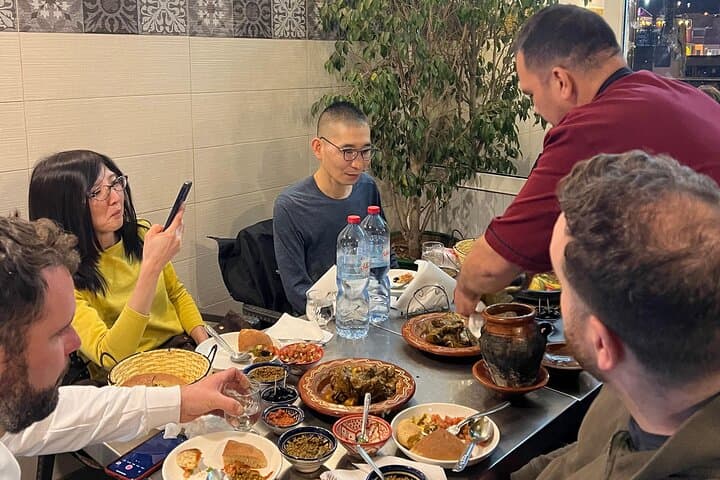
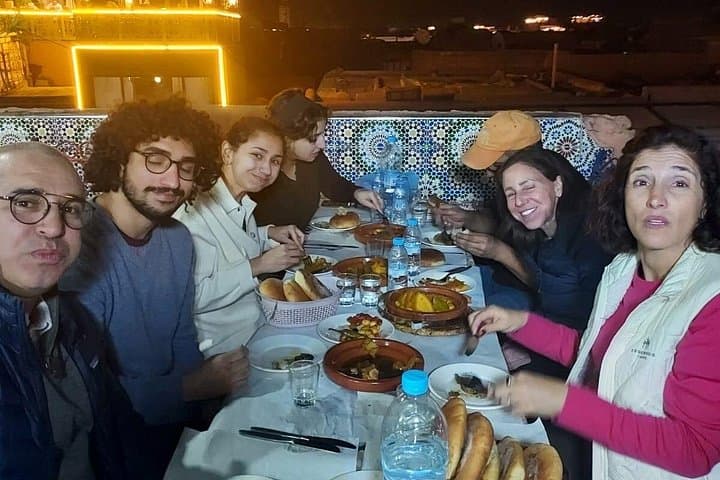
Walk the pulse of Marrakech with a local guide and more than 10 tastings—from Harira and Sfenj to a slow-cooked Tanjia dinner. This guided evening tour pairs cultural context with a curated sampling of Medina classics.
Walk the pulse of Marrakech with a local guide and more than 10 tastings—from Harira and Sfenj to a slow-cooked Tanjia dinner. This guided evening tour pairs cultural context with a curated sampling of Medina classics.
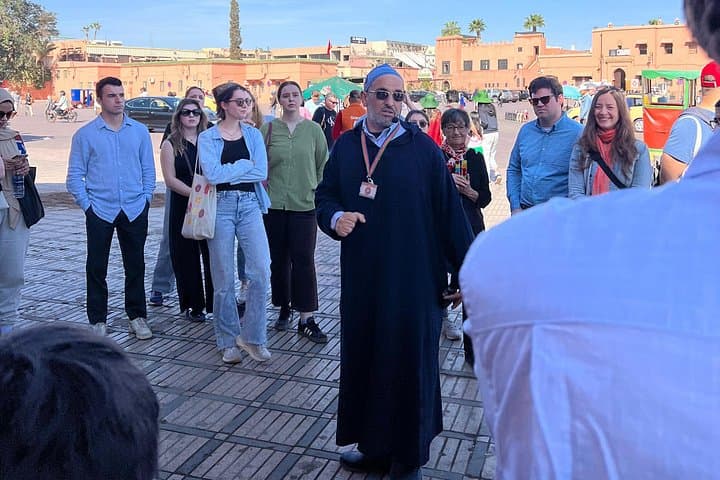
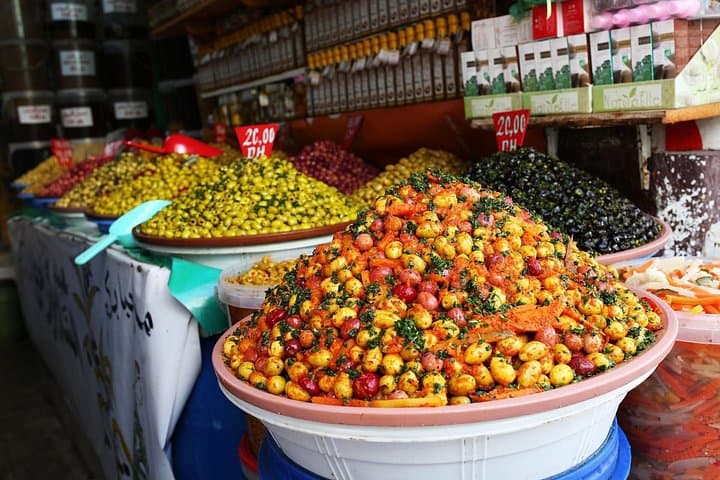
The call to the square arrives as a warm, spiced breeze: evening light slants across Jemaa el-Fnaa and the souk alleys begin to hum. You follow a local guide through narrow lanes where vendors shape sizzling sardine balls, fry Sfenj to golden rings and ladle Harira steam into small bowls. Conversation, commerce and cooking fold together; the city’s pulse is measured in bites and smells.
Verified experiences and guided adventures in the surrounding area.
Operated by Be in Maghreb · Marrakech, Marrakech-Safi
The call to the square arrives as a warm, spiced breeze: evening light slants across Jemaa el-Fnaa and the souk alleys begin to hum. You follow a local guide through narrow lanes where vendors shape sizzling sardine balls, fry Sfenj to golden rings and ladle Harira steam into small bowls. Conversation, commerce and cooking fold together; the city’s pulse is measured in bites and smells.
Marrakech’s food corridor reflects centuries of trade—North African, Andalusian and sub-Saharan influences have shaped the spices and methods you’ll taste. Tanjia, the tour’s crescendo, is a Marrakchi specialty: meat slow-cooked in a sealed clay jar, once buried in coals to develop an earthy, concentrated flavor. The Medina itself dates back nearly a thousand years and Jemaa el-Fnaa is a living cultural stage, recognized by UNESCO for its oral traditions and street craft.
Practical guidance follows the flavor trail. Expect 2–3 hours of mostly flat walking across cobbles and packed-earth lanes; wear stable shoes and bring a refillable water bottle. Portions are tasting-sized but rich—pace yourself, skip what doesn’t suit you and ask about ingredients if you have allergies. The tour is wheelchair- and stroller-friendly on main paths but narrow alleys can be congested.
Aim for sunset to see the square shift from day vendors to evening food stalls. Keep small bills for incidental purchases, a light layer for cooling desert nights, and an appetite for surprises—the medina rewards curiosity and respect in equal measure.
easy.
2–3 hours.
Suitable for most fitness levels; requires standing and walking on uneven surfaces for up to three hours.
Yes—this tour includes over 10 tastings, plus mint tea and the concluding Tanjia dinner as described.
Guides can advise and often arrange alternatives, but notify your booking of restrictions in advance and remind your guide at the start.
Main paths through Jemaa el-Fnaa and many vendor areas are accessible, but some narrow souk alleys can be tight or uneven—contact the operator if you require full accessibility confirmation.
Arrive 10–15 minutes early to meet the guide at the designated spot in or near Jemaa el-Fnaa; precise meeting details are provided with booking confirmation.
Jemaa el-Fnaa has been Marrakech’s central market and public square for centuries and was recognized by UNESCO for its living tradition of storytelling, music and street performance.
Support local vendors and reduce waste by declining single-use plastics; buy modest portions from many stalls rather than disposable-packaged meals.
Be in Maghreb operates guided outdoor trips and adventures with an emphasis on safety, stewardship, and memorable experiences.
The call to the square arrives as a warm, spiced breeze: evening light slants across Jemaa el-Fnaa and the souk alleys begin to hum. You follow a local guide through narrow lanes where vendors shape sizzling sardine balls, fry Sfenj to golden rings and ladle Harira steam into small bowls. Conversation, commerce and cooking fold together; the city’s pulse is measured in bites and smells.
The call to the square arrives as a warm, spiced breeze: evening light slants across Jemaa el-Fnaa and the souk alleys begin to hum. You follow a local guide through narrow lanes where vendors shape sizzling sardine balls, fry Sfenj to golden rings and ladle Harira steam into small bowls. Conversation, commerce and cooking fold together; the city’s pulse is measured in bites and smells.
Marrakech’s food corridor reflects centuries of trade—North African, Andalusian and sub-Saharan influences have shaped the spices and methods you’ll taste. Tanjia, the tour’s crescendo, is a Marrakchi specialty: meat slow-cooked in a sealed clay jar, once buried in coals to develop an earthy, concentrated flavor. The Medina itself dates back nearly a thousand years and Jemaa el-Fnaa is a living cultural stage, recognized by UNESCO for its oral traditions and street craft.
Practical guidance follows the flavor trail. Expect 2–3 hours of mostly flat walking across cobbles and packed-earth lanes; wear stable shoes and bring a refillable water bottle. Portions are tasting-sized but rich—pace yourself, skip what doesn’t suit you and ask about ingredients if you have allergies. The tour is wheelchair- and stroller-friendly on main paths but narrow alleys can be congested.
Aim for sunset to see the square shift from day vendors to evening food stalls. Keep small bills for incidental purchases, a light layer for cooling desert nights, and an appetite for surprises—the medina rewards curiosity and respect in equal measure.