THE ADVENTURE COLLECTIVE® · Independent discovery and booking for outdoor travel

A concise, private 3‑hour guided walk through Marrakech’s Medina—visit Koutoubia, the Mellah, Bahia Palace (optional), and the bustling souks while learning local craft traditions and bargaining tips.
A concise, private 3‑hour guided walk through Marrakech’s Medina—visit Koutoubia, the Mellah, Bahia Palace (optional), and the bustling souks while learning local craft traditions and bargaining tips.
You step out beneath the shadow of the Koutoubia minaret, the stonework warm from the sun and the call to prayer folding into the city's morning rhythm.
Verified experiences and guided adventures in the surrounding area.
Operated by Morocco Tours VIP · Marrakech, Marrakech-Safi
You step out beneath the shadow of the Koutoubia minaret, the stonework warm from the sun and the call to prayer folding into the city's morning rhythm.
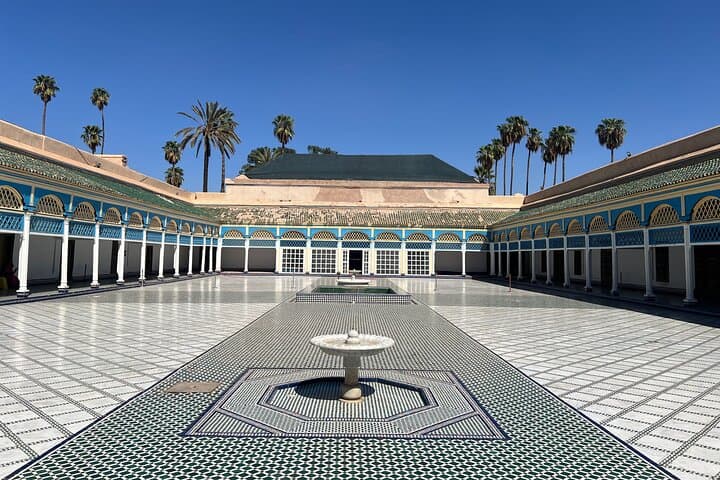
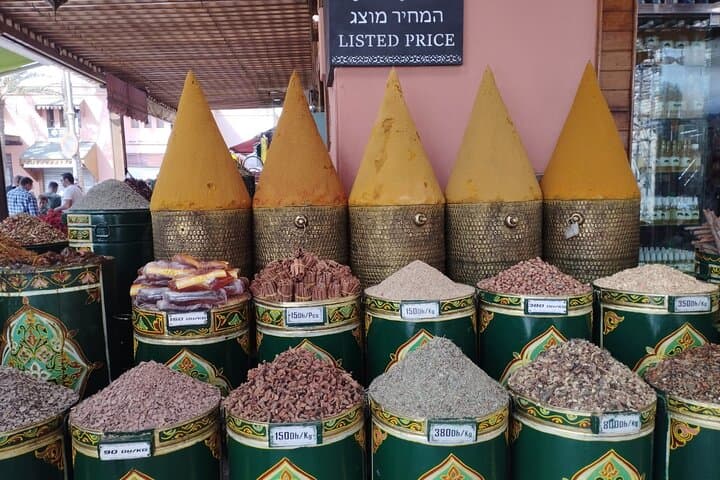
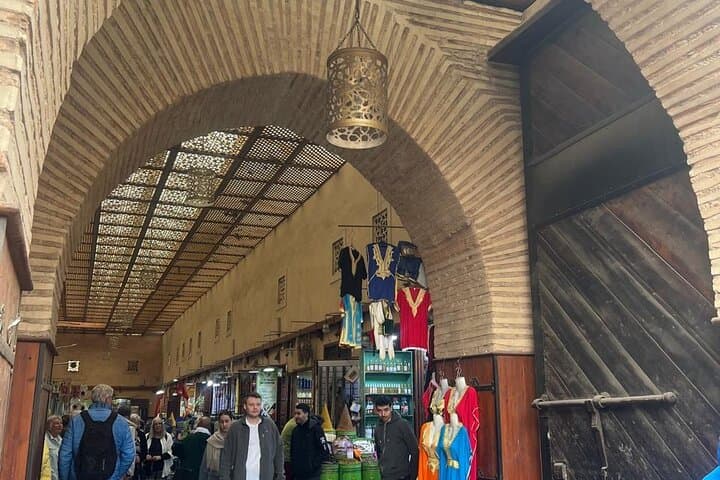
A licensed guide leads you through narrow alleys where sunlight slices between ochre walls and the air turns spicy with cumin and orange blossom. The walk moves deliberately—from the Koutoubia gardens to the Mellah's quieter lanes, past Bahia Palace’s tiled courtyards, and into the living maze of the souks where craftsmen hammer, dye, and weave within sight.
Marrakech’s Medina dates to the Almoravid and Almohad eras; its layout reflects medieval guild structures and an economy built on long-distance trade. Geologically, the red ochre of the city comes from local clay and iron-rich soils, giving buildings their heat-retaining, sun-baked quality. Culturally, markets are still organized by craft: leather, metalwork, textiles and spice sellers hold centuries of technique in common practice.
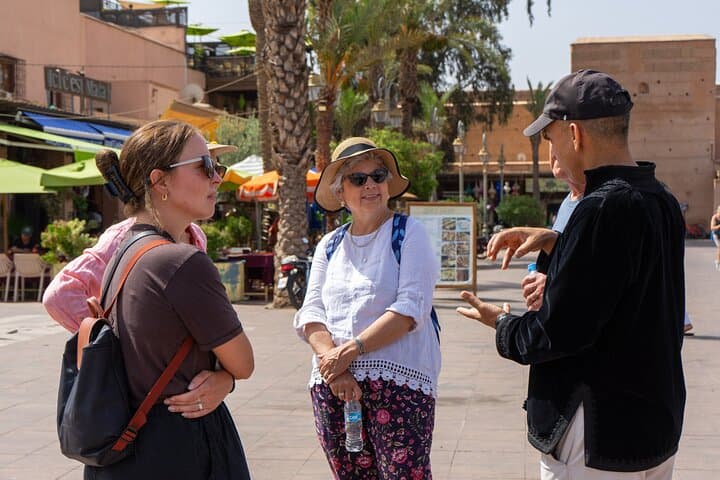
Practically, this private 3‑hour tour balances orientation and optional shopping: your guide explains bargaining customs, points out authentic workshops, and shows where to take a rooftop view over Jemaa el-Fna. Wear stable shoes for cobbles and stepping stones; carry a refillable bottle and small bills for purchases.
Expect comfortable walking (mostly flat but uneven underfoot), frequent stops, and choices about optional palace or garden entry. The experience is equal parts history lesson and field guide to Moroccan craftsmanship—efficient, sensory, and shaped to your interests so you leave with context as well as souvenirs.
easy.
3 hours.
Light walking fitness; comfortable on uneven sidewalks and able to stand for short stretches.
Yes—strollers can be used in many parts but expect narrow alleys and occasional steps; guides adapt pace for families.
No—those entrances are optional and paid on arrival; your guide will advise whether to include them given time and interest.
Yes—guides provide local recommendations, point to reputable workshops, and offer negotiation tips to secure fair prices.
Parts of the route (Koutoubia gardens, some plazas) are accessible, but many souk alleys have uneven ground and limited wheelchair access—confirm needs when booking.
The Medina and its markets evolved under Almoravid and Almohad rule; Jemaa el‑Fna has been a public gathering place for commerce and entertainment for centuries and is UNESCO‑recognized for its cultural role.
Support local artisans by paying fair prices and avoiding mass-produced goods; minimize plastic use in the Medina and respect workshop practices and materials.
Morocco Tours VIP operates guided outdoor trips and adventures with an emphasis on safety, stewardship, and memorable experiences.
You step out beneath the shadow of the Koutoubia minaret, the stonework warm from the sun and the call to prayer folding into the city's morning rhythm.
You step out beneath the shadow of the Koutoubia minaret, the stonework warm from the sun and the call to prayer folding into the city's morning rhythm.
A licensed guide leads you through narrow alleys where sunlight slices between ochre walls and the air turns spicy with cumin and orange blossom. The walk moves deliberately—from the Koutoubia gardens to the Mellah's quieter lanes, past Bahia Palace’s tiled courtyards, and into the living maze of the souks where craftsmen hammer, dye, and weave within sight.
Marrakech’s Medina dates to the Almoravid and Almohad eras; its layout reflects medieval guild structures and an economy built on long-distance trade. Geologically, the red ochre of the city comes from local clay and iron-rich soils, giving buildings their heat-retaining, sun-baked quality. Culturally, markets are still organized by craft: leather, metalwork, textiles and spice sellers hold centuries of technique in common practice.
Practically, this private 3‑hour tour balances orientation and optional shopping: your guide explains bargaining customs, points out authentic workshops, and shows where to take a rooftop view over Jemaa el-Fna. Wear stable shoes for cobbles and stepping stones; carry a refillable bottle and small bills for purchases.
Expect comfortable walking (mostly flat but uneven underfoot), frequent stops, and choices about optional palace or garden entry. The experience is equal parts history lesson and field guide to Moroccan craftsmanship—efficient, sensory, and shaped to your interests so you leave with context as well as souvenirs.