THE ADVENTURE COLLECTIVE® · Independent discovery and booking for outdoor travel

Explore Marrakech’s medina with a local guide who cuts through the labyrinth to the best spice stalls, carpet weavers and leather workshops. This guided shopping tour teaches haggling, highlights authentic crafts and includes transport and bottled water for a stress‑free three hours.
Explore Marrakech’s medina with a local guide who cuts through the labyrinth to the best spice stalls, carpet weavers and leather workshops. This guided shopping tour teaches haggling, highlights authentic crafts and includes transport and bottled water for a stress‑free three hours.
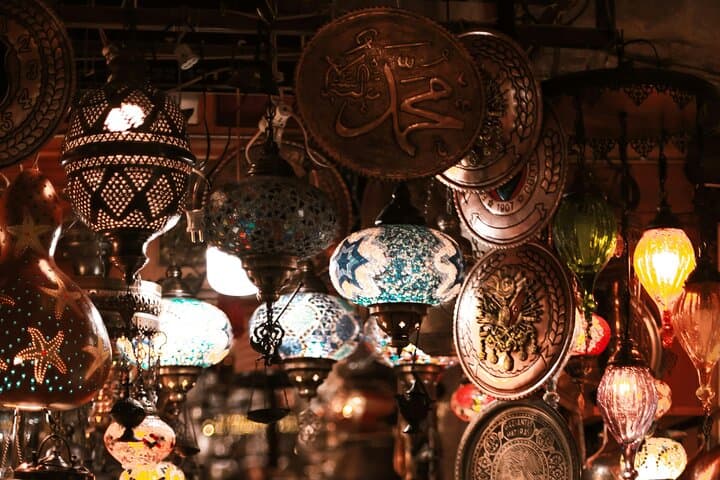
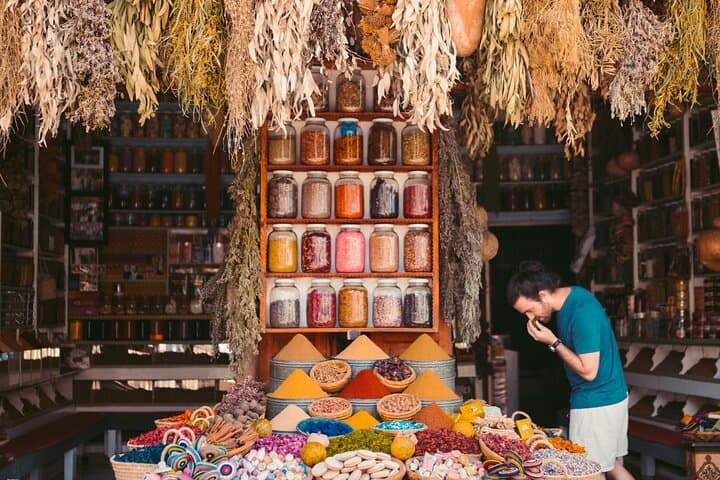
The alley narrows and the air thickens with cumin and orange blossom — lanterns wink, bolts of wool lean into the passage, and your guide steers you through a route that feels improvised but is tightly choreographed. This three‑hour shopping tour moves from the fragrant mounds of El Attarine to the hammering sparks of Souk Haddadine, stopping at carpet stalls, leather workshops and the Dyers’ quarter where colors run into the street.
Verified experiences and guided adventures in the surrounding area.
Operated by Sahara Tour Desert · Marrakech, Marrakech-Safi
The alley narrows and the air thickens with cumin and orange blossom — lanterns wink, bolts of wool lean into the passage, and your guide steers you through a route that feels improvised but is tightly choreographed. This three‑hour shopping tour moves from the fragrant mounds of El Attarine to the hammering sparks of Souk Haddadine, stopping at carpet stalls, leather workshops and the Dyers’ quarter where colors run into the street.
Marrakech’s medina grew around a fortified kasbah in the 11th century and its souks reflect centuries of north‑African trade: spices, textiles and metalwork layered over Andalusian and Berber craft traditions. Stone and plaster buildings keep the heat at bay while commerce plays out in narrow courts and shaded riads. Local guides explain not only how to haggle, but why certain patterns or materials matter — saffron and Argan historically linked to regional agriculture, and Berber knotting styles tied to tribal identity.
Practically, expect sustained walking on uneven stone with frequent stops inside small shops and workshops. The tour provides transport to and from the medina and bottled water, making it accessible for most travelers, but personal vigilance around belongings pays off in crowded lanes. Aim to start in the morning to avoid the midday sun and to see artisans at work. Bring a mix of small bills and a lightweight anti‑theft bag, and set clear limits before bargaining: this keeps shopping efficient and enjoyable. The route is ideal for anyone wanting authentic goods and a guided window into Marrakech’s active market life.
easy.
3 hours.
Basic walking fitness; comfortable covering several city blocks and standing during shop visits.
Yes — the tour includes air‑conditioned transport for pickup and drop‑off as stated in the booking inclusions.
Most small stalls prefer cash; some larger shops accept card but plan to use dirham for the best selection and prices.
The tour is marked as physically easy and wheelchair accessible in parts, but narrow alleys and steps may limit access to some workshops — check with the operator about specific needs.
Yes — guides provide personalized tips and may introduce trustworthy artisans, helping secure quality items at fair prices.
Marrakech was founded by the Almoravids in the 11th century; its medina is a UNESCO World Heritage site where trade routes shaped specialized souks over centuries.
Buy sustainably: prefer natural dyes and locally sourced materials, avoid products made from endangered species, and bring a reusable bag to reduce plastic waste.
Sahara Tour Desert operates guided outdoor trips and adventures with an emphasis on safety, stewardship, and memorable experiences.
The alley narrows and the air thickens with cumin and orange blossom — lanterns wink, bolts of wool lean into the passage, and your guide steers you through a route that feels improvised but is tightly choreographed. This three‑hour shopping tour moves from the fragrant mounds of El Attarine to the hammering sparks of Souk Haddadine, stopping at carpet stalls, leather workshops and the Dyers’ quarter where colors run into the street.
The alley narrows and the air thickens with cumin and orange blossom — lanterns wink, bolts of wool lean into the passage, and your guide steers you through a route that feels improvised but is tightly choreographed. This three‑hour shopping tour moves from the fragrant mounds of El Attarine to the hammering sparks of Souk Haddadine, stopping at carpet stalls, leather workshops and the Dyers’ quarter where colors run into the street.
Marrakech’s medina grew around a fortified kasbah in the 11th century and its souks reflect centuries of north‑African trade: spices, textiles and metalwork layered over Andalusian and Berber craft traditions. Stone and plaster buildings keep the heat at bay while commerce plays out in narrow courts and shaded riads. Local guides explain not only how to haggle, but why certain patterns or materials matter — saffron and Argan historically linked to regional agriculture, and Berber knotting styles tied to tribal identity.
Practically, expect sustained walking on uneven stone with frequent stops inside small shops and workshops. The tour provides transport to and from the medina and bottled water, making it accessible for most travelers, but personal vigilance around belongings pays off in crowded lanes. Aim to start in the morning to avoid the midday sun and to see artisans at work. Bring a mix of small bills and a lightweight anti‑theft bag, and set clear limits before bargaining: this keeps shopping efficient and enjoyable. The route is ideal for anyone wanting authentic goods and a guided window into Marrakech’s active market life.