THE ADVENTURE COLLECTIVE® · Independent discovery and booking for outdoor travel

Navigate Marrakech’s medina with a licensed guide over three hours: palaces, spice markets and the theatrical energy of Jemaa el-Fna. Practical tips on timing, footwear and what to expect in the winding lanes of the old city.
Navigate Marrakech’s medina with a licensed guide over three hours: palaces, spice markets and the theatrical energy of Jemaa el-Fna. Practical tips on timing, footwear and what to expect in the winding lanes of the old city.
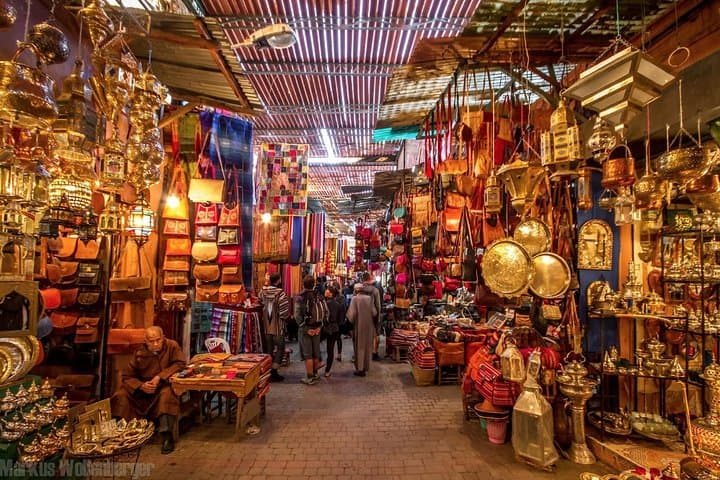
You step from a modern avenue into a web of narrow alleys where the air is warmed by spices and the call to prayer layers over the clatter of daily trade.
Verified experiences and guided adventures in the surrounding area.
Operated by Ando Travel SARL · Marrakech, Marrakech-Safi
You step from a modern avenue into a web of narrow alleys where the air is warmed by spices and the call to prayer layers over the clatter of daily trade.
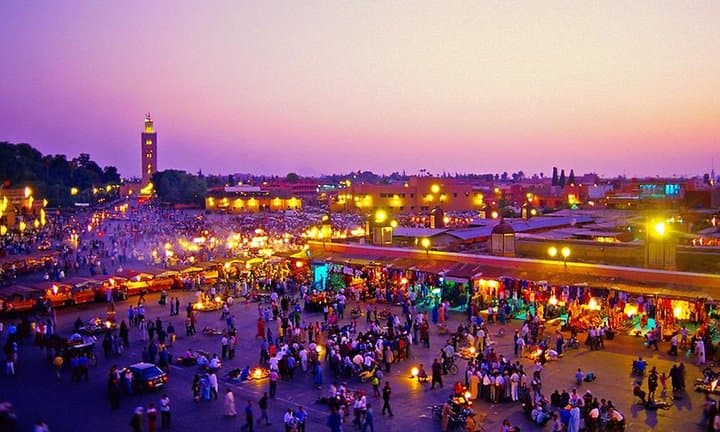
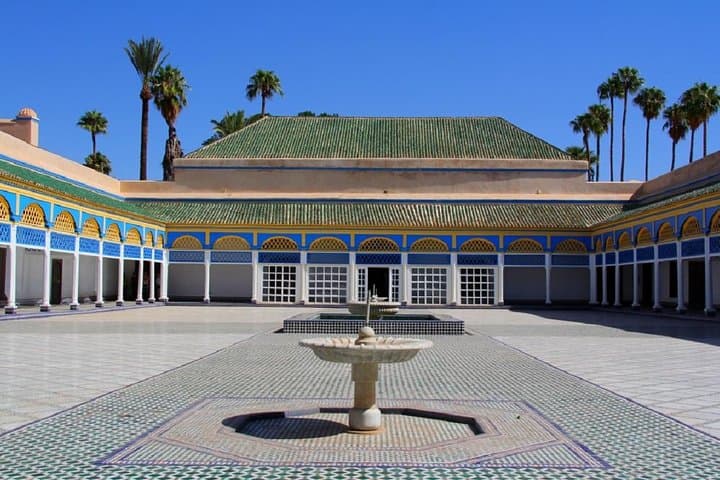
Over three hours a licensed guide leads you through the medina’s tight lanes from the Koutobia’s minaret through the ornate courtyards of Bahia Palace, past the Saadian Tombs and into the Jewish Quarter before the tour spills into the theatrical chaos of Jemaa el-Fna.
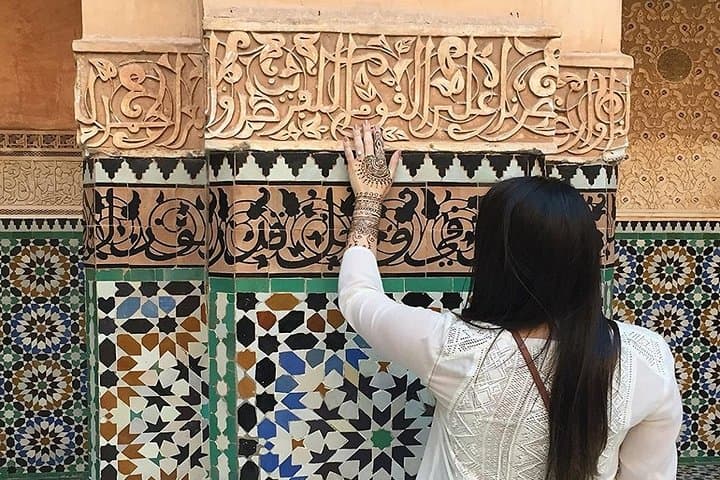
Marrakech’s old city grew around its 12th-century Almoravid and Almohad foundations; the red-ochre walls and sandstone buildings tell a history of imperial courts, artisan guilds and trans-Saharan trade. Geologically the city sits on a plain at the northern edge of the High Atlas foothills—stone and earth here are worked into riads, fountains and winding streets rather than towering rock faces.
Culture is tactile: spice merchants, brassworkers, leather tanners and storytellers animate a public square that has served as gathering point for centuries. Your guide interprets architecture and daily life, and points out workshop doors where traditional craft continues.
Practical guidance: expect 3–4 km of walking on uneven cobbles and occasional short steps; little elevation change makes this easy on the legs but watch your footing. Bring water, sun protection and small change for purchases; wear closed-toe shoes for comfort in crowded alleys. Aim for early morning or late afternoon to avoid peak heat and the busiest crowds. Keep valuables secure and respect local customs—covering shoulders and knees in sacred sites is the norm. The tour ends in Jemaa el-Fna, where you can stay to explore food stalls and live performance at your own pace.
easy.
3 hours.
Suitable for most fitness levels; you should be comfortable walking 3–4 km on uneven surfaces.
Yes; the tour is described as physically easy. Infants must sit on an adult’s lap and infant seats are available upon request.
Pickup and drop-off are provided only for hotels located outside the medina—confirm your pickup point when booking.
Guides are licensed; language availability can vary by departure—check the booking page for options or request when you reserve.
Full refunds are available if you cancel at least 24 hours before the scheduled departure; cancellations within 24 hours are non-refundable.
Marrakech’s medina dates to the 11th–12th centuries and expanded under Almoravid and Almohad dynasties, shaping its walls, mosques and palace architecture.
The medina faces pressures from overtourism and modern development—support local artisans, avoid single-use plastics, and follow guidelines to protect historic buildings.
Ando Travel SARL operates guided outdoor trips and adventures with an emphasis on safety, stewardship, and memorable experiences.
You step from a modern avenue into a web of narrow alleys where the air is warmed by spices and the call to prayer layers over the clatter of daily trade.
You step from a modern avenue into a web of narrow alleys where the air is warmed by spices and the call to prayer layers over the clatter of daily trade.
Over three hours a licensed guide leads you through the medina’s tight lanes from the Koutobia’s minaret through the ornate courtyards of Bahia Palace, past the Saadian Tombs and into the Jewish Quarter before the tour spills into the theatrical chaos of Jemaa el-Fna.
Marrakech’s old city grew around its 12th-century Almoravid and Almohad foundations; the red-ochre walls and sandstone buildings tell a history of imperial courts, artisan guilds and trans-Saharan trade. Geologically the city sits on a plain at the northern edge of the High Atlas foothills—stone and earth here are worked into riads, fountains and winding streets rather than towering rock faces.
Culture is tactile: spice merchants, brassworkers, leather tanners and storytellers animate a public square that has served as gathering point for centuries. Your guide interprets architecture and daily life, and points out workshop doors where traditional craft continues.
Practical guidance: expect 3–4 km of walking on uneven cobbles and occasional short steps; little elevation change makes this easy on the legs but watch your footing. Bring water, sun protection and small change for purchases; wear closed-toe shoes for comfort in crowded alleys. Aim for early morning or late afternoon to avoid peak heat and the busiest crowds. Keep valuables secure and respect local customs—covering shoulders and knees in sacred sites is the norm. The tour ends in Jemaa el-Fna, where you can stay to explore food stalls and live performance at your own pace.