THE ADVENTURE COLLECTIVE® · Independent discovery and booking for outdoor travel

Navigate Marrakech’s medina with a private guide who opens doors to artisan workshops, teaches bargaining basics, and helps you find authentic leather, lamps, carpets, and argan oil over a four-hour half-day tour. Learn where to buy, how to inspect goods, and when to step back for a bargaining win.
Navigate Marrakech’s medina with a private guide who opens doors to artisan workshops, teaches bargaining basics, and helps you find authentic leather, lamps, carpets, and argan oil over a four-hour half-day tour. Learn where to buy, how to inspect goods, and when to step back for a bargaining win.
The alley breathes heat and cumin; sunlight slices through an awning and throws a patchwork of light onto tumbled cobbles as a local guide threads you into the medina’s maze. Stalls lean in close—leather, lamps, carpets and jars of argan oil push toward the path like eager storytellers. A private guide steers the rhythm: when to linger, when to step back, when to let a maker explain techniques passed down through generations.
Verified experiences and guided adventures in the surrounding area.
Operated by Gboo Morocco Tours · Marrakech, Marrakech-Safi
The alley breathes heat and cumin; sunlight slices through an awning and throws a patchwork of light onto tumbled cobbles as a local guide threads you into the medina’s maze. Stalls lean in close—leather, lamps, carpets and jars of argan oil push toward the path like eager storytellers. A private guide steers the rhythm: when to linger, when to step back, when to let a maker explain techniques passed down through generations.
Marrakech’s medina, a UNESCO World Heritage site since 1985, grew from a Berber stronghold into an Ottoman-influenced commercial hub. The souks overlay geology—clay-brick walls baked from nearby red earth—and a craft culture that emphasizes hand-stitching, metalwork, and vegetable-tanned leather. The tour typically starts near Jemaa el-Fnaa and visits artisan workshops: a tanner, a silversmith, a carpet dealer, and herbalists plying spices and oils.
Expect practical tradecraft: basic bargaining skills, a readiness to inspect dye consistency and stitch work, and attention to realistic sizing and weight for transport. Breaks at a local café offer mint tea and a chance to test phrases the guide has taught. Morning tours are cooler and less crowded; afternoons hold more atmosphere but denser foot traffic.
Bring cash in small denominations, wear comfortable shoes for uneven paving, and allow time to arrange shipping for larger purchases. The value of the tour is in access—discounts, introductions to reputable makers, and the local context that turns bargaining into a cultural exchange rather than a negotiation rushed on the street.
easy.
4 hours.
Suitable for most fitness levels; expect 2–3 miles of slow walking with frequent stops and some standing.
No—your certified local guide will translate, teach useful phrases, and negotiate on your behalf if requested.
Haggling is expected in many souk shops; guides will advise on fair ranges and respectful bargaining techniques.
Yes—many shops arrange shipping or can direct you to local freight agents; confirm costs and customs paperwork before buying.
Parts of the medina are narrow and uneven, but the operator lists wheelchair-accessible options—confirm mobility needs when booking.
The medina of Marrakech expanded from a 11th-century Berber settlement into a key trade center; crafts evolved to meet caravan and urban tastes, making the souks a living archive of Moroccan artisanal methods.
Support local artisans by prioritizing ethically made goods, asking about materials, and choosing shops that employ traditional, low-waste techniques; avoid purchasing protected wildlife products.
Gboo Morocco Tours operates guided outdoor trips and adventures with an emphasis on safety, stewardship, and memorable experiences.
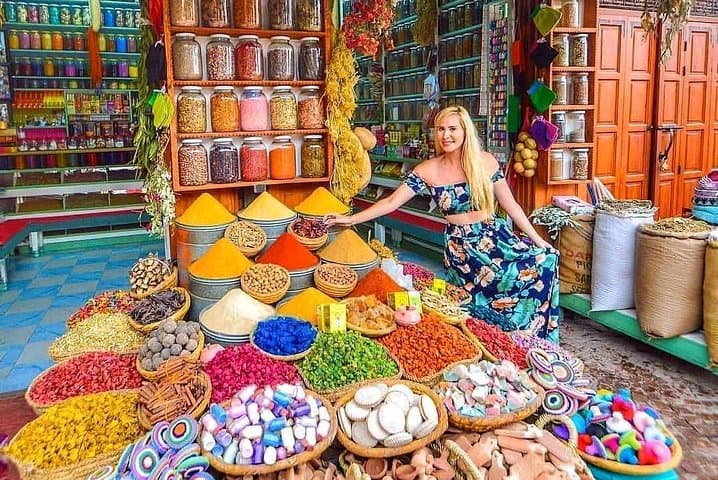

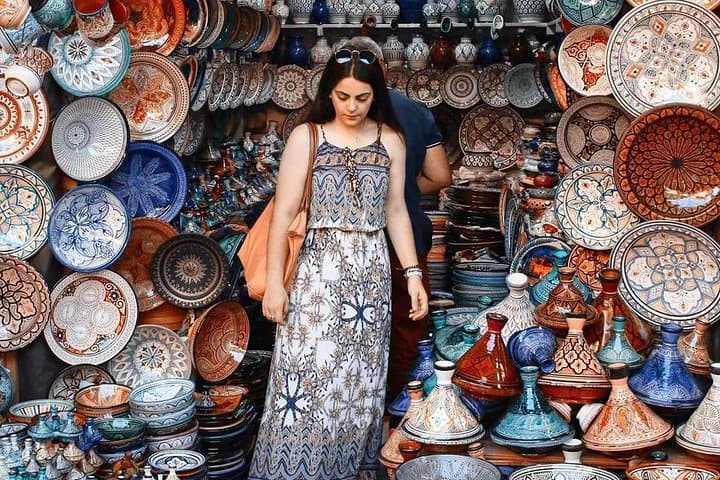
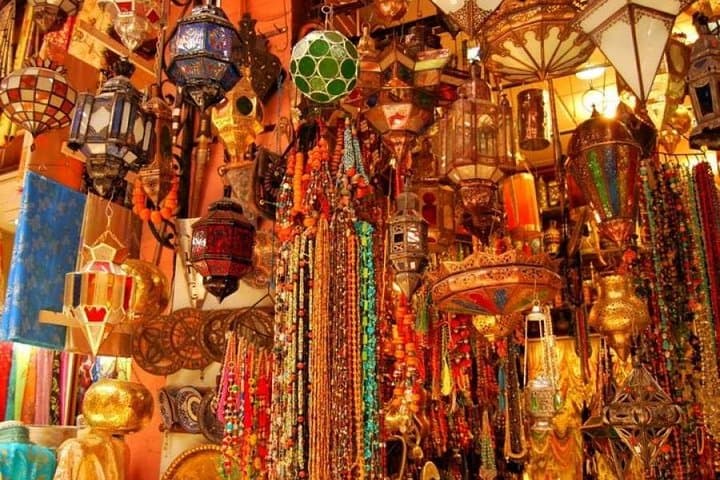
The alley breathes heat and cumin; sunlight slices through an awning and throws a patchwork of light onto tumbled cobbles as a local guide threads you into the medina’s maze. Stalls lean in close—leather, lamps, carpets and jars of argan oil push toward the path like eager storytellers. A private guide steers the rhythm: when to linger, when to step back, when to let a maker explain techniques passed down through generations.
The alley breathes heat and cumin; sunlight slices through an awning and throws a patchwork of light onto tumbled cobbles as a local guide threads you into the medina’s maze. Stalls lean in close—leather, lamps, carpets and jars of argan oil push toward the path like eager storytellers. A private guide steers the rhythm: when to linger, when to step back, when to let a maker explain techniques passed down through generations.
Marrakech’s medina, a UNESCO World Heritage site since 1985, grew from a Berber stronghold into an Ottoman-influenced commercial hub. The souks overlay geology—clay-brick walls baked from nearby red earth—and a craft culture that emphasizes hand-stitching, metalwork, and vegetable-tanned leather. The tour typically starts near Jemaa el-Fnaa and visits artisan workshops: a tanner, a silversmith, a carpet dealer, and herbalists plying spices and oils.
Expect practical tradecraft: basic bargaining skills, a readiness to inspect dye consistency and stitch work, and attention to realistic sizing and weight for transport. Breaks at a local café offer mint tea and a chance to test phrases the guide has taught. Morning tours are cooler and less crowded; afternoons hold more atmosphere but denser foot traffic.
Bring cash in small denominations, wear comfortable shoes for uneven paving, and allow time to arrange shipping for larger purchases. The value of the tour is in access—discounts, introductions to reputable makers, and the local context that turns bargaining into a cultural exchange rather than a negotiation rushed on the street.