THE ADVENTURE COLLECTIVE® · Independent discovery and booking for outdoor travel

Navigate Marrakech’s winding alleys on a four‑hour walking tour that threads souks, palaces, and secret riads. Expect close-up encounters with local crafts, spice stalls, and centuries of urban history along cobbled lanes.
Navigate Marrakech’s winding alleys on a four‑hour walking tour that threads souks, palaces, and secret riads. Expect close-up encounters with local crafts, spice stalls, and centuries of urban history along cobbled lanes.
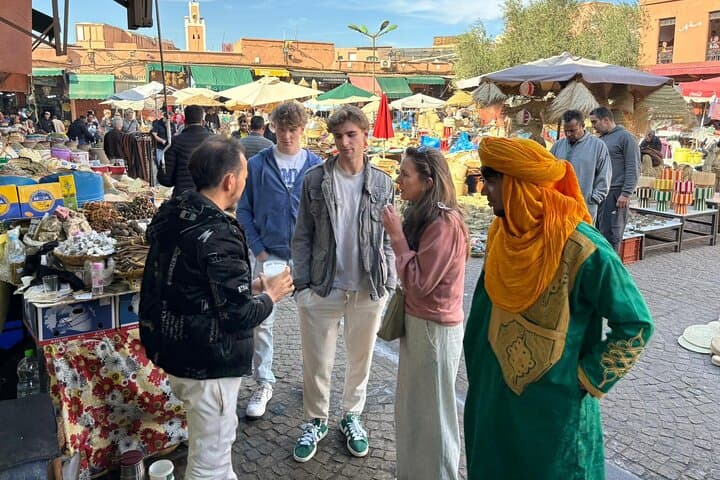
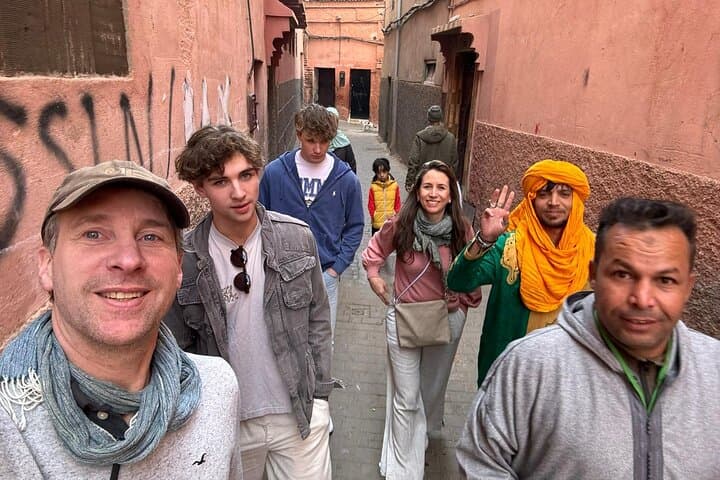
You step off the square and the alleys take you—an immediate squeeze of color, spice steam, and the distant chime of a prayer call. The labyrinth of Marrakech isn’t polite; it jostles you, tempts you, and rewards curiosity. Narrow lanes open suddenly onto courtyards where sunlight pools, and rooftops offer a hush above the market’s elastic roar.
Verified experiences and guided adventures in the surrounding area.
Operated by Lahcen · Marrakech, Marrakesh-Safi
You step off the square and the alleys take you—an immediate squeeze of color, spice steam, and the distant chime of a prayer call. The labyrinth of Marrakech isn’t polite; it jostles you, tempts you, and rewards curiosity. Narrow lanes open suddenly onto courtyards where sunlight pools, and rooftops offer a hush above the market’s elastic roar.
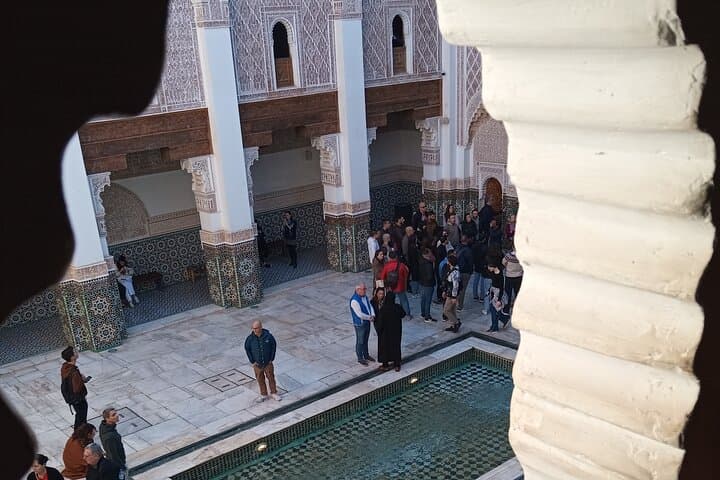
The city dates to the 11th century under the Almoravids; its red-earth ramparts and ochre buildings reflect the geology of the surrounding plain and the shadow of the High Atlas to the south. Architectural influences stack here—Berber forms, Andalusian tilework, and Ottoman woodwork—most visible in Bahia Palace and the carved stucco of historic madrasas. Culture unfolds as you walk: vendors practicing the art of the bargain, tea poured like a ritual, and riads that keep centuries of domestic life behind discreet doors.
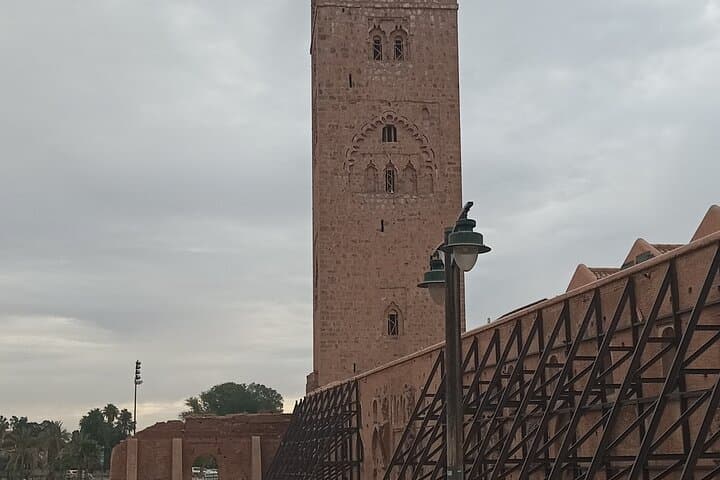
Expect a mix of paved alleys and cobbled streets, frequent stops at monuments such as Koutoubia and Ben Youssef, and an itinerary paced to soak in markets and cafés. Guides steer you to quieter courtyards, explain craft techniques, and flag negotiating cues.
Practical guidance: wear sturdy shoes for uneven ground, carry water and small change, and schedule tours early morning or late afternoon to avoid peak heat and crowds. Be ready to remove shoes in religious sites and to ask permission before photographing people. With a measured pace and a curious eye, this four‑hour walk converts sensory overload into a map of the city’s living history.
easy.
4 hours.
Basic walking fitness; able to stand and walk for several hours on uneven cobbles and through busy crowds.
The operator notes wheelchair accessibility for major areas, but some narrow alleys and riad entrances may be tight—check specifics when booking.
Bring a mix of small denominations (50–200 MAD total recommended for snacks and small purchases) and larger notes if you plan to buy textiles or crafts; card acceptance is limited in stalls.
Yes—official guides included on this tour are trained to explain the history of monuments, artisanal techniques, and local customs.
Early morning or late afternoon offers cooler temperatures, softer light for photography, and fewer crowds in the busiest souk corridors.
Founded in the 11th century by the Almoravids, Marrakech has long been a crossroads of Berber and Andalusian cultures; landmarks like Koutoubia and Ben Youssef reflect that layered past.
Local conservation focuses on preserving riads and historic fabric; practice responsible tourism by minimizing plastic use, respecting private courtyards, and supporting local artisans.
Lahcen operates guided outdoor trips and adventures with an emphasis on safety, stewardship, and memorable experiences.
You step off the square and the alleys take you—an immediate squeeze of color, spice steam, and the distant chime of a prayer call. The labyrinth of Marrakech isn’t polite; it jostles you, tempts you, and rewards curiosity. Narrow lanes open suddenly onto courtyards where sunlight pools, and rooftops offer a hush above the market’s elastic roar.
You step off the square and the alleys take you—an immediate squeeze of color, spice steam, and the distant chime of a prayer call. The labyrinth of Marrakech isn’t polite; it jostles you, tempts you, and rewards curiosity. Narrow lanes open suddenly onto courtyards where sunlight pools, and rooftops offer a hush above the market’s elastic roar.
The city dates to the 11th century under the Almoravids; its red-earth ramparts and ochre buildings reflect the geology of the surrounding plain and the shadow of the High Atlas to the south. Architectural influences stack here—Berber forms, Andalusian tilework, and Ottoman woodwork—most visible in Bahia Palace and the carved stucco of historic madrasas. Culture unfolds as you walk: vendors practicing the art of the bargain, tea poured like a ritual, and riads that keep centuries of domestic life behind discreet doors.
Expect a mix of paved alleys and cobbled streets, frequent stops at monuments such as Koutoubia and Ben Youssef, and an itinerary paced to soak in markets and cafés. Guides steer you to quieter courtyards, explain craft techniques, and flag negotiating cues.
Practical guidance: wear sturdy shoes for uneven ground, carry water and small change, and schedule tours early morning or late afternoon to avoid peak heat and crowds. Be ready to remove shoes in religious sites and to ask permission before photographing people. With a measured pace and a curious eye, this four‑hour walk converts sensory overload into a map of the city’s living history.