THE ADVENTURE COLLECTIVE® · Independent discovery and booking for outdoor travel

Go beyond the headline stalls of Jemaa el-Fnaa with a private guide who navigates hidden alleys, artisan workshops and dye rooms. This 3–4 hour shopping tour connects you with authentic Moroccan crafts and practical shopping logistics—ideal for serious buyers and curious travelers.
Go beyond the headline stalls of Jemaa el-Fnaa with a private guide who navigates hidden alleys, artisan workshops and dye rooms. This 3–4 hour shopping tour connects you with authentic Moroccan crafts and practical shopping logistics—ideal for serious buyers and curious travelers.
You step out of the bustle of Jemaa el-Fnaa and slip into a maze of narrow alleys where sunlight punches through cloth awnings and voices trade in sharp, friendly cadences. The guide steers you away from the main artery into shadowed lanes where leather-smelling workshops and low-lit dye rooms still work by hand; the city here feels lived-in, direct, and tactile.
Verified experiences and guided adventures in the surrounding area.
Operated by Morocco Nomadic Travel · Marrakech, Marrakech-Safi
You step out of the bustle of Jemaa el-Fnaa and slip into a maze of narrow alleys where sunlight punches through cloth awnings and voices trade in sharp, friendly cadences. The guide steers you away from the main artery into shadowed lanes where leather-smelling workshops and low-lit dye rooms still work by hand; the city here feels lived-in, direct, and tactile.
The souks grew up around Marrakech’s medina, a market system that dates back centuries and reflects Berber, Arab and Andalusian crafts traditions. The stonework and red-earth walls are products of local clay and tectonic history—the Atlas Mountains loom nearby, supplying both salt and sheep for the region’s famed textiles. Cultural patterns, from the methods of dyeing wool to the motifs in carpets, carry stories of trade routes that once crossed North Africa.
This private shopping tour focuses on artisans: blacksmiths in Souk Haddadine, dye workshops, leather tanneries, and carpet sellers who explain knot counts and regional designs. You’ll learn haggling etiquette, see argan and spice stalls, and have options to ship purchases to your hotel.
Practical notes: plan for 3–4 hours on foot on uneven flagstones and busy alleys; mornings are cooler and less crowded. Wear sturdy shoes, carry cash in small notes, and let the guide handle introductions at workshops to avoid hard-sell pressure. If you want carpets shipped or purchases delivered, confirm logistics and timing with the operator before buying.
This tour is for travelers who want curated access to living craft traditions and the confidence of a local guide when navigating Marrakech’s energetic heart.
easy.
3–4 hours.
Light walking on uneven surfaces; suitable for most fitness levels
Pickup is often offered as an option—confirm during booking with your hotel details and arrival time to coordinate a private transfer.
Yes; many vendors and the tour operator offer shipping or hotel delivery—confirm costs, packing and lead times before purchase.
Haggling is common and expected; guides can advise on fair ranges and intervene to ensure straightforward transactions.
The tour is family-friendly and marked wheelchair/stroller accessible in booking notes, but alley surfaces can be uneven—check specifics with the operator if mobility is limited.
The medina of Marrakech expanded from the 11th century and became a crossroads for trans-Saharan trade; many souk specialties reflect centuries-old guild systems.
Tour operators encourage respectful buying practices—avoid purchasing antiques lacking provenance and opt for locally made, sustainably sourced goods when possible.
Morocco Nomadic Travel operates guided outdoor trips and adventures with an emphasis on safety, stewardship, and memorable experiences.
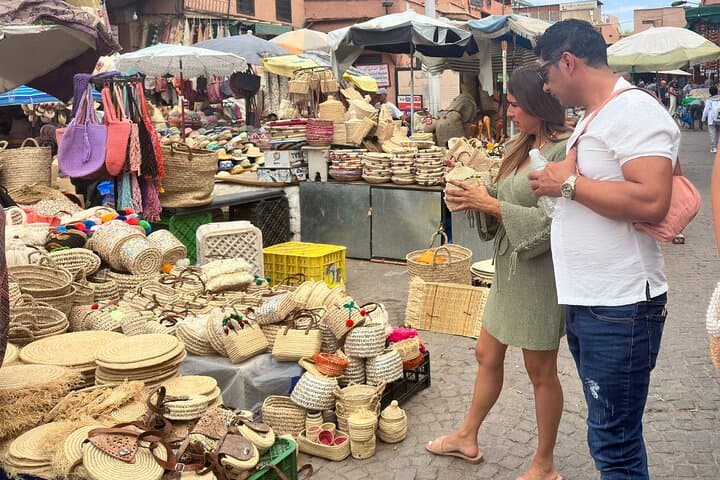
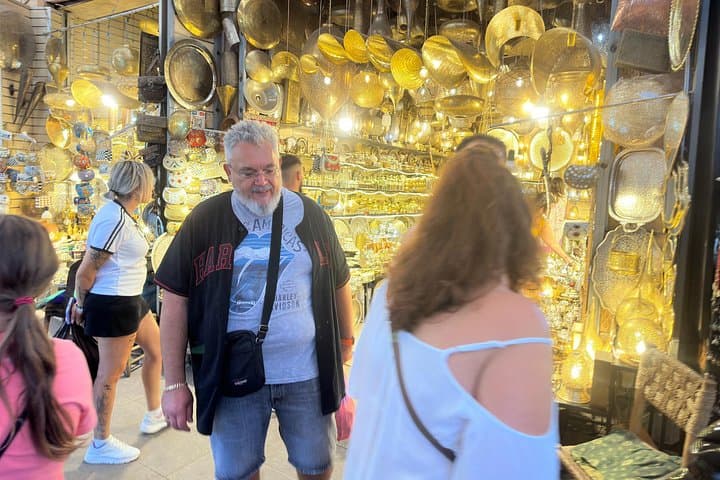
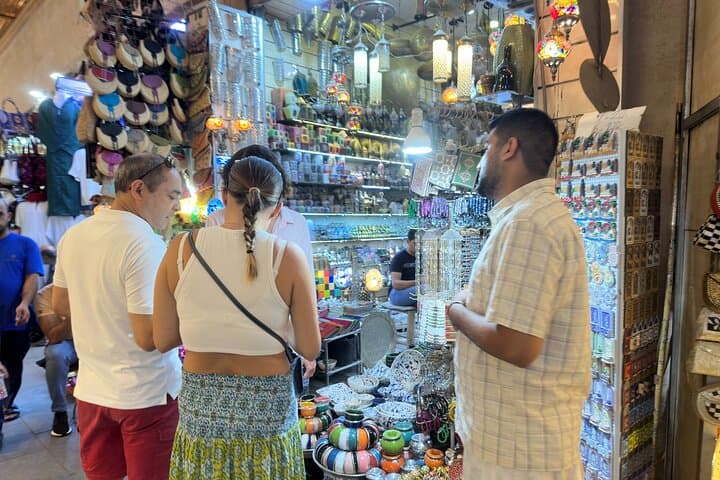
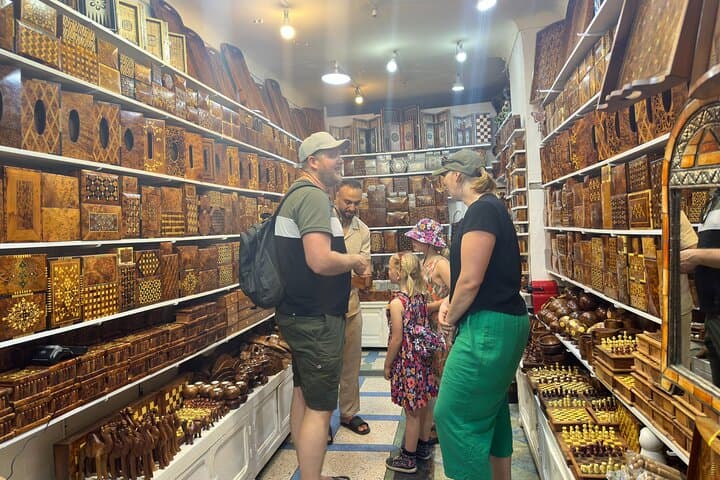
You step out of the bustle of Jemaa el-Fnaa and slip into a maze of narrow alleys where sunlight punches through cloth awnings and voices trade in sharp, friendly cadences. The guide steers you away from the main artery into shadowed lanes where leather-smelling workshops and low-lit dye rooms still work by hand; the city here feels lived-in, direct, and tactile.
You step out of the bustle of Jemaa el-Fnaa and slip into a maze of narrow alleys where sunlight punches through cloth awnings and voices trade in sharp, friendly cadences. The guide steers you away from the main artery into shadowed lanes where leather-smelling workshops and low-lit dye rooms still work by hand; the city here feels lived-in, direct, and tactile.
The souks grew up around Marrakech’s medina, a market system that dates back centuries and reflects Berber, Arab and Andalusian crafts traditions. The stonework and red-earth walls are products of local clay and tectonic history—the Atlas Mountains loom nearby, supplying both salt and sheep for the region’s famed textiles. Cultural patterns, from the methods of dyeing wool to the motifs in carpets, carry stories of trade routes that once crossed North Africa.
This private shopping tour focuses on artisans: blacksmiths in Souk Haddadine, dye workshops, leather tanneries, and carpet sellers who explain knot counts and regional designs. You’ll learn haggling etiquette, see argan and spice stalls, and have options to ship purchases to your hotel.
Practical notes: plan for 3–4 hours on foot on uneven flagstones and busy alleys; mornings are cooler and less crowded. Wear sturdy shoes, carry cash in small notes, and let the guide handle introductions at workshops to avoid hard-sell pressure. If you want carpets shipped or purchases delivered, confirm logistics and timing with the operator before buying.
This tour is for travelers who want curated access to living craft traditions and the confidence of a local guide when navigating Marrakech’s energetic heart.