THE ADVENTURE COLLECTIVE® · Independent discovery and booking for outdoor travel

Walk the living history of Marrakech with a local guide: from the 12th-century Koutoubia minaret to the theater of Jamaa el-Fna, this 3–4 hour tour blends architecture, daily life, and practical local insights. Ideal for travelers who want context with their exploration.
Walk the living history of Marrakech with a local guide: from the 12th-century Koutoubia minaret to the theater of Jamaa el-Fna, this 3–4 hour tour blends architecture, daily life, and practical local insights. Ideal for travelers who want context with their exploration.
You step out of a shaded riad doorway into heat shimmering off tile and stone; the call to prayer threads through alleys while spice-scented steam drifts from street stalls. The guided walk moves at a human pace — a local guide folding stories into each turn as the minaret of the Koutoubia punctures the skyline and narrow souks open like rooms.
Verified experiences and guided adventures in the surrounding area.
Operated by Trek Desert Maroc · Marrakech, Marrakech-Safi
You step out of a shaded riad doorway into heat shimmering off tile and stone; the call to prayer threads through alleys while spice-scented steam drifts from street stalls. The guided walk moves at a human pace — a local guide folding stories into each turn as the minaret of the Koutoubia punctures the skyline and narrow souks open like rooms.
Marrakech’s Medina dates to the 11th–12th centuries and its urban fabric is defined by earthen walls, horseshoe arches, and the visual grammar of Andalusi and Almoravid influences. The Koutoubia minaret (12th century) anchors the old city; Jamaa el-Fna has been a marketplace and performance square since medieval times, and the public hammam tradition traces social life as much as hygiene. Geologically, the plain sits at the foothills of the High Atlas — heat and dust are constant companions, and occasional breezes push dust motes down the lanes.
On this 3–4 hour walking excursion expect cobbles, tight passageways, fountains, and lively squares; the guide will explain local customs, religious practices, and the etiquette for visiting public spaces. You’ll observe artisans, try small street-food bites, and learn how a hammam functions even if you don’t enter.
Practical edge: wear broken-in walking shoes for uneven stones, carry cash for small purchases and tips, and keep a lightweight scarf for modesty or sun protection. Morning or late-afternoon departures are best for cooler temperatures and more comfortable light for photography. The experience is accessible for most fitness levels but be ready for crowds and short bursts of standing and walking.
easy.
3–4 hours.
Suitable for most fitness levels; requires standing and walking on uneven surfaces for several hours.
The operator notes accessibility, but Medina alleys can be narrow and cobbled; contact the provider in advance to confirm routes and wheelchair accommodations.
Guides typically speak English and often French; check booking details if you need another language or request a translator ahead of time.
This walk focuses on outdoor landmarks and cultural explanation; entrance fees to private riads or paid attractions (if any) are usually not included—confirm when booking.
Tipping is customary for guided walking tours in Marrakech; bring small local currency and tip based on service—roughly 10–20% of the tour price is a common guideline.
Marrakech was founded in the 11th century and flourished under Almoravid and Almohad dynasties; Jamaa el-Fna has functioned as a commercial and social hub for centuries.
Increased tourism stresses water and waste systems; support local artisans directly and use refillable bottles to reduce plastic use in the Medina.
Trek Desert Maroc operates guided outdoor trips and adventures with an emphasis on safety, stewardship, and memorable experiences.
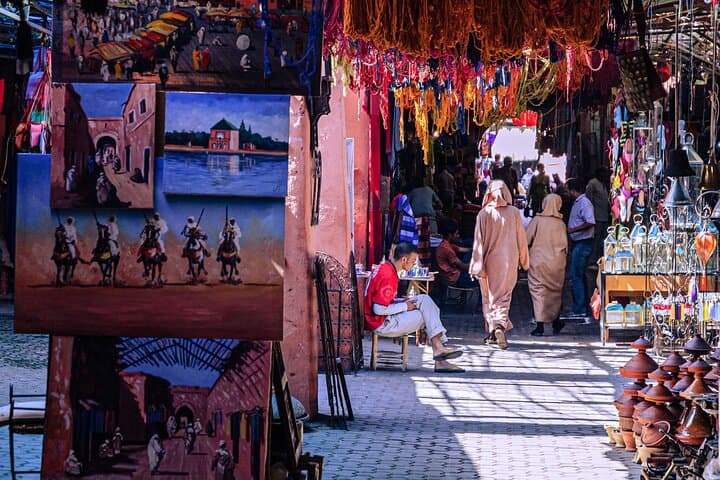
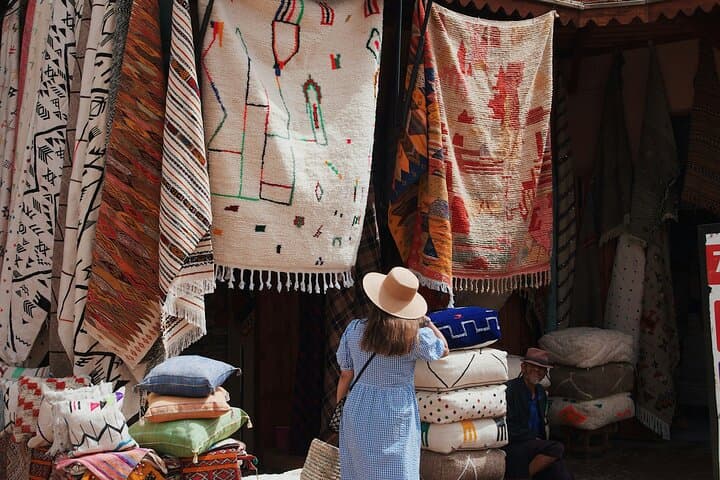
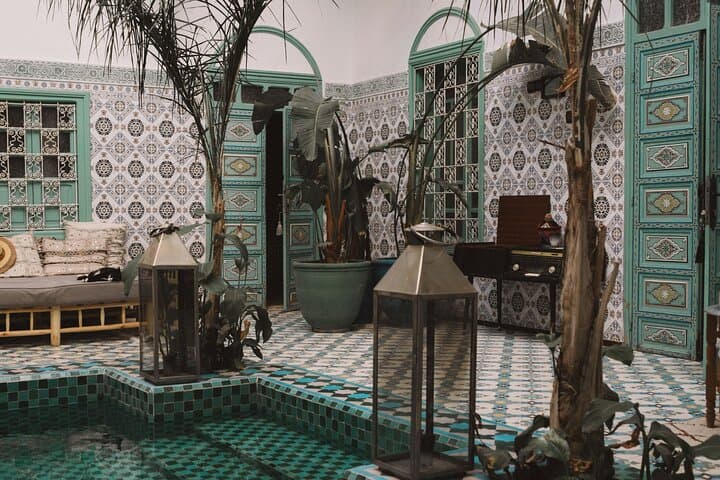
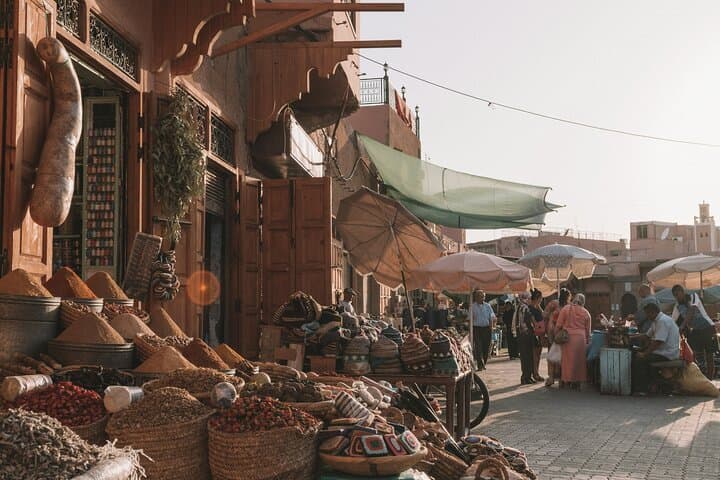
You step out of a shaded riad doorway into heat shimmering off tile and stone; the call to prayer threads through alleys while spice-scented steam drifts from street stalls. The guided walk moves at a human pace — a local guide folding stories into each turn as the minaret of the Koutoubia punctures the skyline and narrow souks open like rooms.
You step out of a shaded riad doorway into heat shimmering off tile and stone; the call to prayer threads through alleys while spice-scented steam drifts from street stalls. The guided walk moves at a human pace — a local guide folding stories into each turn as the minaret of the Koutoubia punctures the skyline and narrow souks open like rooms.
Marrakech’s Medina dates to the 11th–12th centuries and its urban fabric is defined by earthen walls, horseshoe arches, and the visual grammar of Andalusi and Almoravid influences. The Koutoubia minaret (12th century) anchors the old city; Jamaa el-Fna has been a marketplace and performance square since medieval times, and the public hammam tradition traces social life as much as hygiene. Geologically, the plain sits at the foothills of the High Atlas — heat and dust are constant companions, and occasional breezes push dust motes down the lanes.
On this 3–4 hour walking excursion expect cobbles, tight passageways, fountains, and lively squares; the guide will explain local customs, religious practices, and the etiquette for visiting public spaces. You’ll observe artisans, try small street-food bites, and learn how a hammam functions even if you don’t enter.
Practical edge: wear broken-in walking shoes for uneven stones, carry cash for small purchases and tips, and keep a lightweight scarf for modesty or sun protection. Morning or late-afternoon departures are best for cooler temperatures and more comfortable light for photography. The experience is accessible for most fitness levels but be ready for crowds and short bursts of standing and walking.