THE ADVENTURE COLLECTIVE® · Independent discovery and booking for outdoor travel

Taste Marrakech one alley at a time: an expert-led, four-hour walking tour that moves through souks, street stalls and family-run kitchens with eight tasting stops and a full Moroccan dinner. Ideal for curious food lovers who want a compact, local-driven culinary introduction.
Taste Marrakech one alley at a time: an expert-led, four-hour walking tour that moves through souks, street stalls and family-run kitchens with eight tasting stops and a full Moroccan dinner. Ideal for curious food lovers who want a compact, local-driven culinary introduction.
You step from the cooler alleys into a sunlit plaza where steam rises from tagines and the sharp citrus of preserved lemons slices through the air. Lanterns sway above narrow streets; vendors call out over bowls of almonds and trays of honeyed pastries. The guide threads the group through alleys, pausing where spice vendors scatter color like paint, where a small cart pours fresh mixed-fruit juice that tastes of the season.
Verified experiences and guided adventures in the surrounding area.
Operated by Marrakech Culture Tours · Marrakech, Marrakech-Safi
You step from the cooler alleys into a sunlit plaza where steam rises from tagines and the sharp citrus of preserved lemons slices through the air. Lanterns sway above narrow streets; vendors call out over bowls of almonds and trays of honeyed pastries. The guide threads the group through alleys, pausing where spice vendors scatter color like paint, where a small cart pours fresh mixed-fruit juice that tastes of the season.
Marrakech’s medina is a living crossroads shaped by Berber, Arab and Andalusian influences—the Ottoman-era spice routes and the city’s role as a caravan stop left dishes that balance sweet, sour and smoky. The city sits on an alluvial plain at the edge of the High Atlas foothills, and its ochre walls reflect the sun that ripens its citrus and tomatoes. Food here is local history: pastilla and tangia carry family techniques, while street snails (babbouche) are a culinary habit passed through generations.
Practical guidance is as important as appetite. This four-hour walking tasting covers eight stops and finishes with a full Moroccan dinner; expect light walking on uneven cobbles and occasional crowds. Bring small-denomination Moroccan dirham for extra purchases and tips, stay hydrated with the bottled water provided, and wear closed-toe shoes to navigate narrow alleys. If you have dietary restrictions, notify the operator in advance—many stops can adjust, but some traditional items (like snails or slow-cooked meats) are regional specialties.
Travel in the late afternoon or evening to avoid the heat, move at a steady but relaxed pace, and leave room for spice-scented memories.
easy.
4 hours.
Able to stand and walk for several hours across uneven surfaces; minimal fitness required
Yes—many stops can accommodate vegetarians and common allergies if you note requirements when booking; speak with the guide at the start to confirm alternatives.
The tour meets in the medina near a central market square; you’ll receive exact meeting instructions on your booking voucher—arrive 10 minutes early to avoid delaying the group.
Tipping is appreciated—small tips for the guide and occasional tasting hosts are customary; bring small bills in dirham for discretion.
The operator notes wheelchair accessibility, but medina cobbles and narrow alleys may present challenges—contact the provider ahead to confirm the route and accommodations.
Marrakech’s medina grew from 11th-century Almoravid foundations and has long been a trade hub where spices and crafts blended Berber, Arab and Andalusian culinary practices.
Support small vendors, avoid single-use plastics when possible, and take only photos of food and people with permission to minimize tourism impact.
Marrakech Culture Tours operates guided outdoor trips and adventures with an emphasis on safety, stewardship, and memorable experiences.
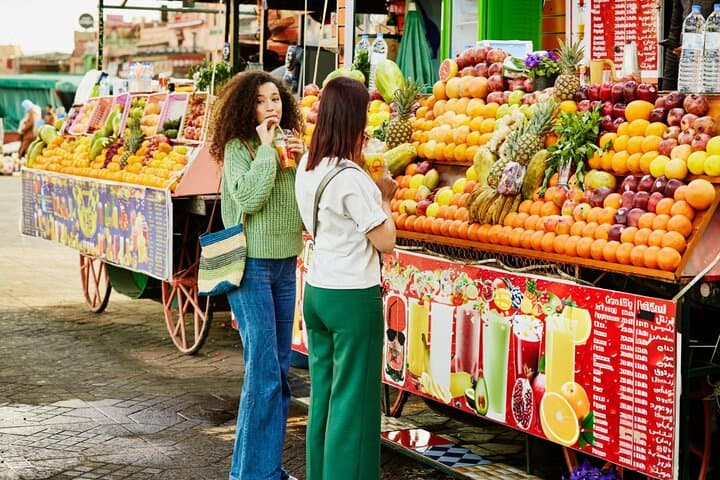
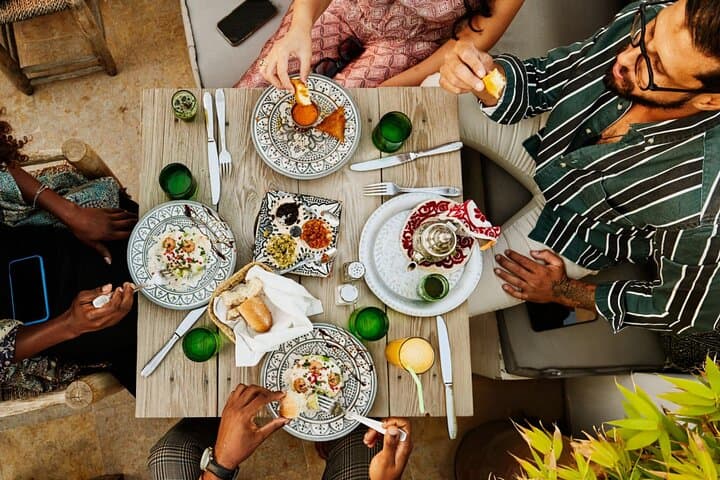
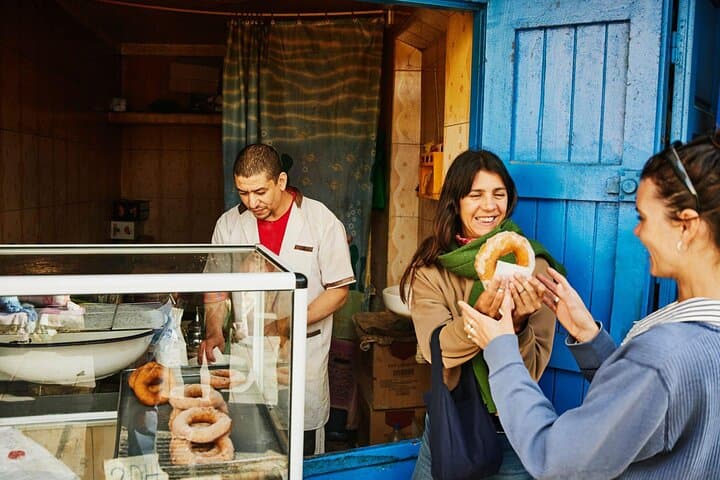
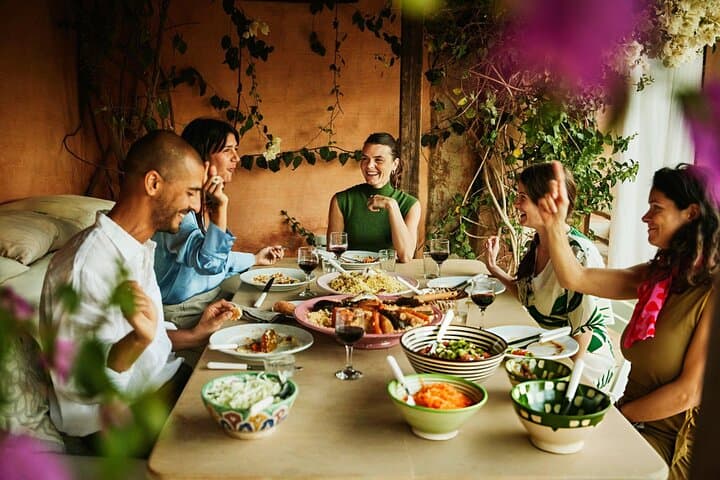
You step from the cooler alleys into a sunlit plaza where steam rises from tagines and the sharp citrus of preserved lemons slices through the air. Lanterns sway above narrow streets; vendors call out over bowls of almonds and trays of honeyed pastries. The guide threads the group through alleys, pausing where spice vendors scatter color like paint, where a small cart pours fresh mixed-fruit juice that tastes of the season.
You step from the cooler alleys into a sunlit plaza where steam rises from tagines and the sharp citrus of preserved lemons slices through the air. Lanterns sway above narrow streets; vendors call out over bowls of almonds and trays of honeyed pastries. The guide threads the group through alleys, pausing where spice vendors scatter color like paint, where a small cart pours fresh mixed-fruit juice that tastes of the season.
Marrakech’s medina is a living crossroads shaped by Berber, Arab and Andalusian influences—the Ottoman-era spice routes and the city’s role as a caravan stop left dishes that balance sweet, sour and smoky. The city sits on an alluvial plain at the edge of the High Atlas foothills, and its ochre walls reflect the sun that ripens its citrus and tomatoes. Food here is local history: pastilla and tangia carry family techniques, while street snails (babbouche) are a culinary habit passed through generations.
Practical guidance is as important as appetite. This four-hour walking tasting covers eight stops and finishes with a full Moroccan dinner; expect light walking on uneven cobbles and occasional crowds. Bring small-denomination Moroccan dirham for extra purchases and tips, stay hydrated with the bottled water provided, and wear closed-toe shoes to navigate narrow alleys. If you have dietary restrictions, notify the operator in advance—many stops can adjust, but some traditional items (like snails or slow-cooked meats) are regional specialties.
Travel in the late afternoon or evening to avoid the heat, move at a steady but relaxed pace, and leave room for spice-scented memories.