THE ADVENTURE COLLECTIVE® · Independent discovery and booking for outdoor travel

Escape Marrakech for a day into the Atlas foothills: a scenic drive, a women-run argan cooperative, and a guided walk to the Setti Fatma waterfalls. This one-day excursion pairs cultural visits with an easy riverside hike and optional lunch.
Escape Marrakech for a day into the Atlas foothills: a scenic drive, a women-run argan cooperative, and a guided walk to the Setti Fatma waterfalls. This one-day excursion pairs cultural visits with an easy riverside hike and optional lunch.
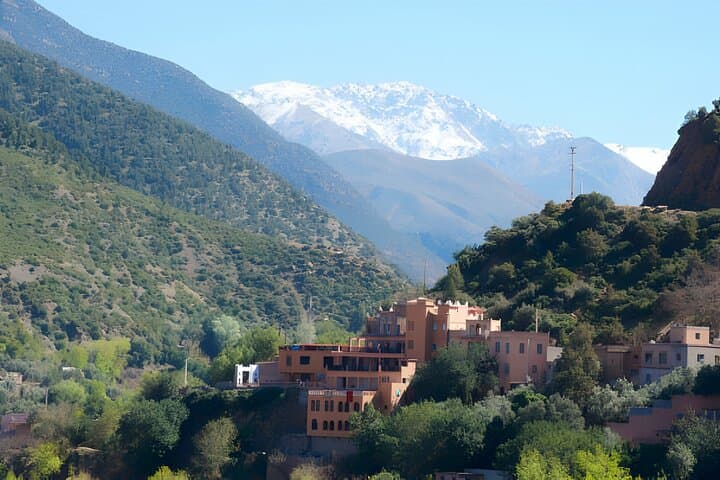
You pull away from Marrakech as the medina noise thins and the road climbs toward the Atlas foothills. Olive groves and terraced orchards slide past the van window, and the Ourika River appears like a silver thread daring you into cooler air. By the time you reach Setti Fatma, the canyon narrows, water hisses over rock, and a spray of falls offers immediate relief from the southern heat.
Verified experiences and guided adventures in the surrounding area.
Operated by Morocco Trip · Setti Fatma (Ourika Valley), Marrakech-Safi
You pull away from Marrakech as the medina noise thins and the road climbs toward the Atlas foothills. Olive groves and terraced orchards slide past the van window, and the Ourika River appears like a silver thread daring you into cooler air. By the time you reach Setti Fatma, the canyon narrows, water hisses over rock, and a spray of falls offers immediate relief from the southern heat.
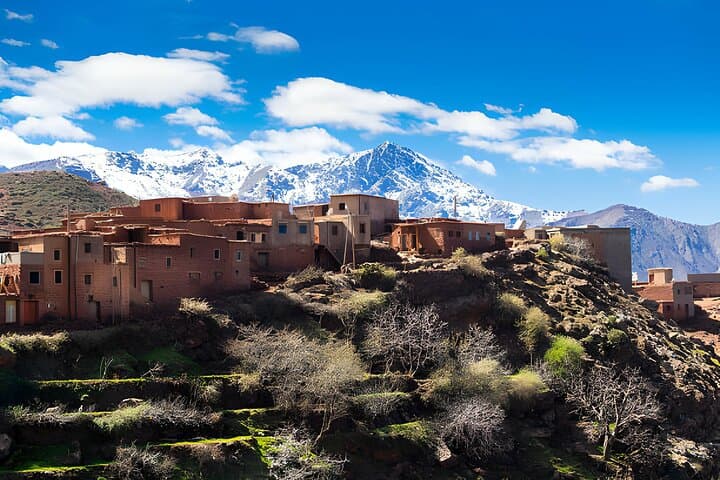
The Ourika Valley has long been shaped by Berber agriculture—stone terraces and mule tracks that date back centuries—while argan trees and women-run cooperatives reflect a living, local economy. Geologically, the valley is carved from sedimentary layers of the High Atlas, where seasonal snowmelt feeds the river and supports riparian woodlands uncommon this close to Marrakech. Cultural touches arrive as mint tea in a Berber house and the rhythmic call of market haggling at a Monday souk.
Expect a guided stroll from the village to a series of cascades (the most-visited falls are a short walk; guides can extend the route), photo stops at riverside cafés, and a relaxed lunch of regional tagine if you book the meal option. Practicalities: bring sturdy shoes, a refillable water bottle, cash for small purchases at cooperatives, and sun protection. Aim for morning departure to avoid midday crowds and hot temperatures. Respect private village areas, follow your guide on steeper sections, and leave no trace—this valley depends on careful tourism.
easy.
7–8 hours.
Suitable for travelers with basic mobility; the guided walk to the falls involves uneven terrain and short inclines but is not technical.
The valley lies about 60 km southeast of Marrakech; travel time is typically 45–75 minutes each way depending on traffic and stops.
The guided hike to Setti Fatma's main falls is generally short and suitable for most visitors, though paths are uneven and include some uphill sections.
Lunch is offered as an optional inclusion—check your booking details; otherwise there are riverside restaurants and cafés at Setti Fatma.
Yes—this activity is family-friendly, but children should be supervised on wet or steep trail sections.
Berber communities have farmed the Ourika terraces for centuries; argan production and cooperative models have become important modern livelihoods.
Tourism affects water and waste in the valley—support women-run cooperatives, minimize plastic, and follow marked paths to reduce erosion.
Morocco Trip operates guided outdoor trips and adventures with an emphasis on safety, stewardship, and memorable experiences.


You pull away from Marrakech as the medina noise thins and the road climbs toward the Atlas foothills. Olive groves and terraced orchards slide past the van window, and the Ourika River appears like a silver thread daring you into cooler air. By the time you reach Setti Fatma, the canyon narrows, water hisses over rock, and a spray of falls offers immediate relief from the southern heat.
You pull away from Marrakech as the medina noise thins and the road climbs toward the Atlas foothills. Olive groves and terraced orchards slide past the van window, and the Ourika River appears like a silver thread daring you into cooler air. By the time you reach Setti Fatma, the canyon narrows, water hisses over rock, and a spray of falls offers immediate relief from the southern heat.
The Ourika Valley has long been shaped by Berber agriculture—stone terraces and mule tracks that date back centuries—while argan trees and women-run cooperatives reflect a living, local economy. Geologically, the valley is carved from sedimentary layers of the High Atlas, where seasonal snowmelt feeds the river and supports riparian woodlands uncommon this close to Marrakech. Cultural touches arrive as mint tea in a Berber house and the rhythmic call of market haggling at a Monday souk.
Expect a guided stroll from the village to a series of cascades (the most-visited falls are a short walk; guides can extend the route), photo stops at riverside cafés, and a relaxed lunch of regional tagine if you book the meal option. Practicalities: bring sturdy shoes, a refillable water bottle, cash for small purchases at cooperatives, and sun protection. Aim for morning departure to avoid midday crowds and hot temperatures. Respect private village areas, follow your guide on steeper sections, and leave no trace—this valley depends on careful tourism.