THE ADVENTURE COLLECTIVE® · Independent discovery and booking for outdoor travel

A full-day excursion from Marrakech into the Atlas foothills that mixes a short mountain hike to the Seven Cascades with visits to Berber villages and an argan cooperative. Expect river-side trails, terraced farms, and a traditional Moroccan lunch.
A full-day excursion from Marrakech into the Atlas foothills that mixes a short mountain hike to the Seven Cascades with visits to Berber villages and an argan cooperative. Expect river-side trails, terraced farms, and a traditional Moroccan lunch.
You step out of Marrakech into a changing light—the city’s ochre walls give way to olive-splashed foothills and a road that climbs toward the Atlas. By the time the driver eases into Setti Fatma, the air smells of citrus and wood smoke; the river below hurries, daring you toward the cascades.
Verified experiences and guided adventures in the surrounding area.
Operated by OURIKA EXCURSION · Setti Fatma / Ourika Valley, Marrakesh-Safi
You step out of Marrakech into a changing light—the city’s ochre walls give way to olive-splashed foothills and a road that climbs toward the Atlas. By the time the driver eases into Setti Fatma, the air smells of citrus and wood smoke; the river below hurries, daring you toward the cascades.
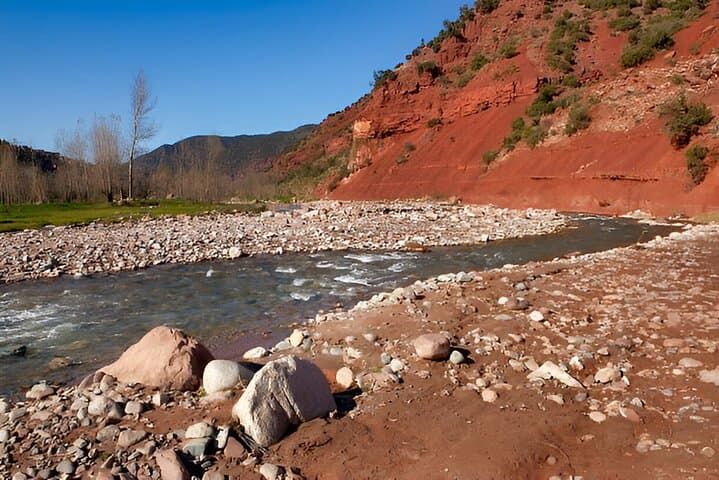
The Ourika Valley threads north of Marrakech along an ancient trade route. Geologically, this is the High Atlas fringe—folded schists and sandstone sculpted by seasonal torrents into steep ravines and terraced fields. Settlements here are predominantly Berber; in village courtyards you’ll see dry-stone houses and women demonstrating argan pressing, a practice tied to the region’s female cooperatives and centuries-old agricultural rhythms.
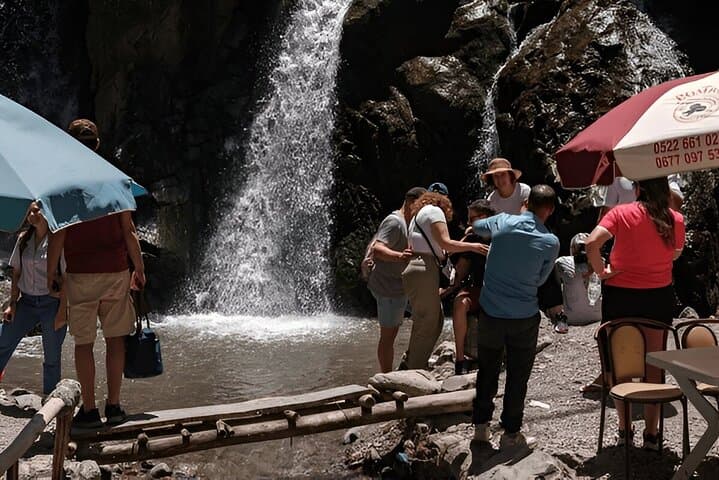
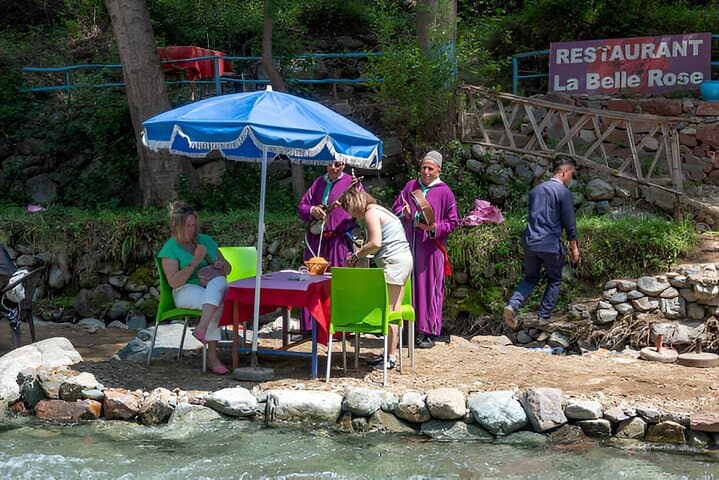
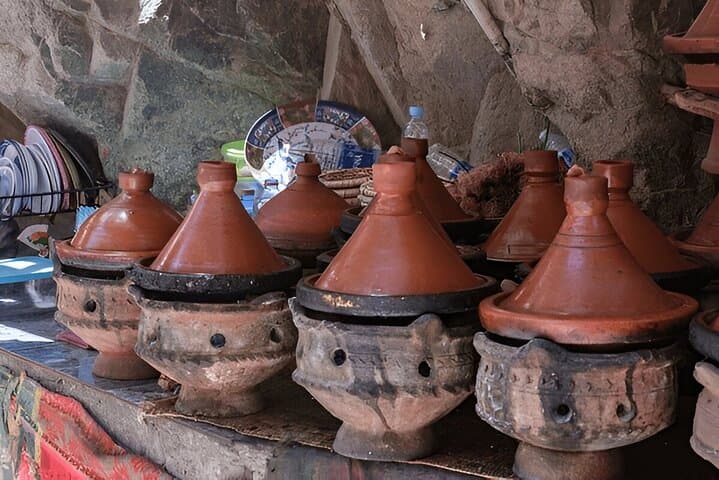
The tour’s highlight is the Seven Cascades: a roughly 45-minute hike each way (about 3 km) with ~200–300 m of ascent on rocky, occasionally steep trails. Expect packed-earth paths, stone steps, and sections beside the lively Ourika River; some pools invite a quick photo-stop but currents can be strong after rain. Culture blends with nature—stop at an argan cooperative to learn about seed-to-oil processing and at a family-run spot for tagine and mint tea.
Practical guidance: wear sturdy shoes with grip, bring 1–2 L of water, small cash for market purchases and tips, and plan for an 8-hour day including hotel pickup. Mornings are cooler and quieter; afternoons are busiest. Respect local customs—ask before photographing people—and follow your guide on narrow sections. The Ourika excursion is an accessible mountain day that pairs cultural insight with a compact, scenic hike.
easy.
8 hours.
Suitable for average fitness—short uphill sections but no technical climbs; able to walk 3 km each way on uneven ground.
The walk is roughly 45 minutes each way (about 3 km), depending on pace and photo stops; expect some steep sections and stone steps.
Yes—it's classified as easy and suitable for most fitness levels, but those with mobility issues should note rocky trails and short uphill stretches.
The itinerary typically includes lunch and cooperative visits as described, but check the tour’s inclusions—small fees or purchases at cooperatives may be extra.
Some natural pools are accessible for quick dips, but currents vary—avoid swimming after heavy rain and follow your guide’s advice for safety.
The Ourika Valley has long been a seasonal agricultural zone for Berber communities and sat along local trade routes feeding Marrakech; argan cultivation and cooperative production are recent community-driven economic adaptations.
Argan cooperatives support local livelihoods and sustainable harvesting; visitors should avoid leaving litter, stick to marked paths to prevent erosion, and buy local products to support the community.
OURIKA EXCURSION operates guided outdoor trips and adventures with an emphasis on safety, stewardship, and memorable experiences.
You step out of Marrakech into a changing light—the city’s ochre walls give way to olive-splashed foothills and a road that climbs toward the Atlas. By the time the driver eases into Setti Fatma, the air smells of citrus and wood smoke; the river below hurries, daring you toward the cascades.
You step out of Marrakech into a changing light—the city’s ochre walls give way to olive-splashed foothills and a road that climbs toward the Atlas. By the time the driver eases into Setti Fatma, the air smells of citrus and wood smoke; the river below hurries, daring you toward the cascades.
The Ourika Valley threads north of Marrakech along an ancient trade route. Geologically, this is the High Atlas fringe—folded schists and sandstone sculpted by seasonal torrents into steep ravines and terraced fields. Settlements here are predominantly Berber; in village courtyards you’ll see dry-stone houses and women demonstrating argan pressing, a practice tied to the region’s female cooperatives and centuries-old agricultural rhythms.
The tour’s highlight is the Seven Cascades: a roughly 45-minute hike each way (about 3 km) with ~200–300 m of ascent on rocky, occasionally steep trails. Expect packed-earth paths, stone steps, and sections beside the lively Ourika River; some pools invite a quick photo-stop but currents can be strong after rain. Culture blends with nature—stop at an argan cooperative to learn about seed-to-oil processing and at a family-run spot for tagine and mint tea.
Practical guidance: wear sturdy shoes with grip, bring 1–2 L of water, small cash for market purchases and tips, and plan for an 8-hour day including hotel pickup. Mornings are cooler and quieter; afternoons are busiest. Respect local customs—ask before photographing people—and follow your guide on narrow sections. The Ourika excursion is an accessible mountain day that pairs cultural insight with a compact, scenic hike.