THE ADVENTURE COLLECTIVE® · Independent discovery and booking for outdoor travel

Escape Marrakech for a day and follow the Ourika River into the High Atlas to the Setti Fatma waterfalls. This practical guide covers what to expect on the trails, cultural context, and how to prepare for changing mountain conditions.
Escape Marrakech for a day and follow the Ourika River into the High Atlas to the Setti Fatma waterfalls. This practical guide covers what to expect on the trails, cultural context, and how to prepare for changing mountain conditions.
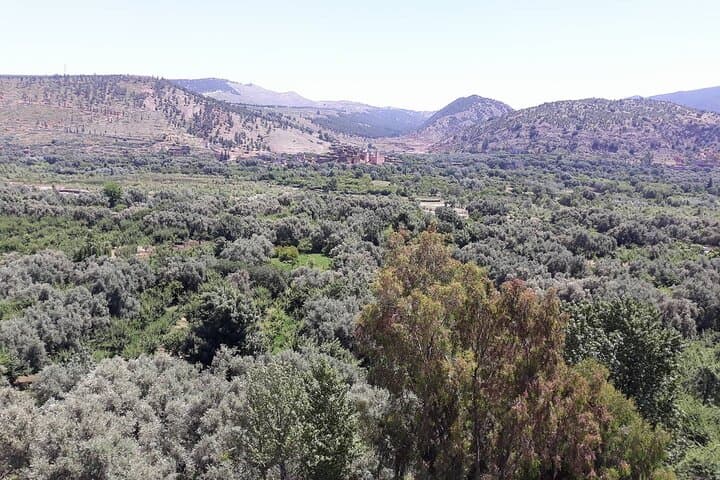
A cold breeze carries dust from the plains as the minibus peels away from Marrakech and climbs into the High Atlas foothills. Olive terraces and citrus trees flash past the windows; the river below—bold and insistent—darts between rock and reed, daring you to follow its line upstream.
Verified experiences and guided adventures in the surrounding area.
Operated by Come To Morocco · Marrakech, Marrakesh-Safi
A cold breeze carries dust from the plains as the minibus peels away from Marrakech and climbs into the High Atlas foothills. Olive terraces and citrus trees flash past the windows; the river below—bold and insistent—darts between rock and reed, daring you to follow its line upstream.
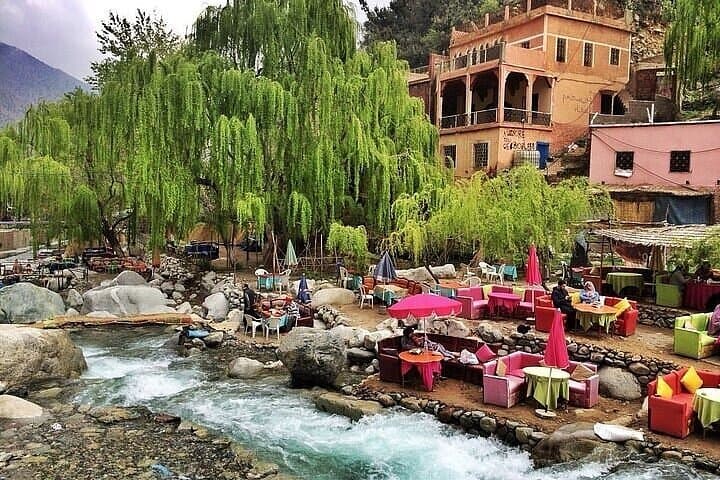
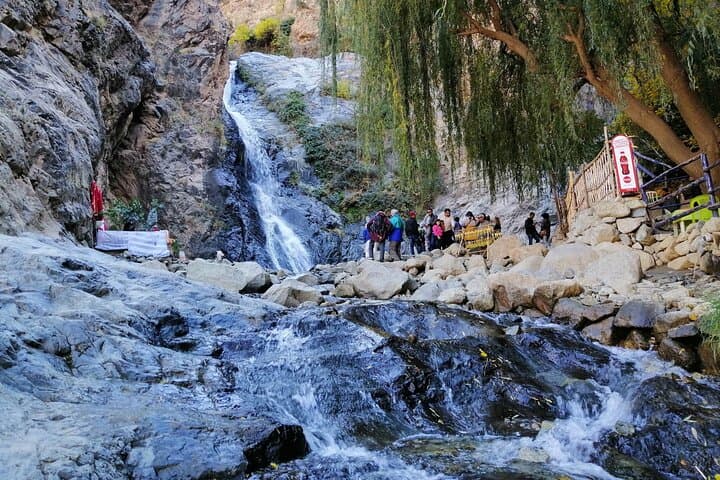
The day centers on Setti Fatma, a cluster of seven falls carved into volcanic and metamorphic rock, where water has cut millennia of steps and pools. Berber villages dot the slopes—simple stone houses with flat roofs—reflecting a long tradition of mountain agriculture and craft. Geologically the valley is a meeting place of eroded volcanic ridges and alluvial fans, which is why the valley stays unexpectedly green in an otherwise arid region.
Culturally the area is lived-in: local guides are commonly from nearby villages and will explain irrigation terraces, seasonal harvests, and the role of the Ourika River in local life. Expect walking on dirt tracks and stone stairs, short river crossings, and steam-scented lunch stops where tangy tagine and mint tea reset your energy.
Bring sturdy, non-slip shoes and a refillable water bottle; the trail can be slick near the falls. Morning departures avoid heat and provide steadier light for photos. Respect private land and ask before photographing people in villages. The route is family-friendly but uneven in places—plan for 3–4 hours of walking with frequent stops. By late afternoon the road descends back toward Marrakech, carrying the cool memory of running water and mountain air that feels larger than the day itself.
moderate.
8 hours (full-day).
Suitable for people with basic fitness; expect uneven trails and short climbs requiring steady footing.
The drive is about 45–60 minutes each way depending on traffic and starting point in Marrakech.
Yes—families can do it, but expect uneven terrain and short steep sections; supervise children around water and cliffs.
Many excursions include a mountain guide who leads the trails and explains local culture; confirm at booking for language options.
Small cafés and local eateries in Setti Fatma offer tagine, salads, and tea; bring snacks if you have dietary restrictions.
The Ourika Valley has long been a seasonal farming corridor for Berber communities, with irrigation practices passed down through generations to sustain terraces and orchards.
Visitors are asked to avoid leaving waste and to stick to paths to reduce erosion; local groups promote sustainable tourism that supports village livelihoods.
Come To Morocco operates guided outdoor trips and adventures with an emphasis on safety, stewardship, and memorable experiences.
A cold breeze carries dust from the plains as the minibus peels away from Marrakech and climbs into the High Atlas foothills. Olive terraces and citrus trees flash past the windows; the river below—bold and insistent—darts between rock and reed, daring you to follow its line upstream.
A cold breeze carries dust from the plains as the minibus peels away from Marrakech and climbs into the High Atlas foothills. Olive terraces and citrus trees flash past the windows; the river below—bold and insistent—darts between rock and reed, daring you to follow its line upstream.
The day centers on Setti Fatma, a cluster of seven falls carved into volcanic and metamorphic rock, where water has cut millennia of steps and pools. Berber villages dot the slopes—simple stone houses with flat roofs—reflecting a long tradition of mountain agriculture and craft. Geologically the valley is a meeting place of eroded volcanic ridges and alluvial fans, which is why the valley stays unexpectedly green in an otherwise arid region.
Culturally the area is lived-in: local guides are commonly from nearby villages and will explain irrigation terraces, seasonal harvests, and the role of the Ourika River in local life. Expect walking on dirt tracks and stone stairs, short river crossings, and steam-scented lunch stops where tangy tagine and mint tea reset your energy.
Bring sturdy, non-slip shoes and a refillable water bottle; the trail can be slick near the falls. Morning departures avoid heat and provide steadier light for photos. Respect private land and ask before photographing people in villages. The route is family-friendly but uneven in places—plan for 3–4 hours of walking with frequent stops. By late afternoon the road descends back toward Marrakech, carrying the cool memory of running water and mountain air that feels larger than the day itself.