THE ADVENTURE COLLECTIVE® · Independent discovery and booking for outdoor travel

Swap Marrakech’s heat for mountain air on a 6–7 hour day trip to Ourika Valley and the Setti Fatma waterfalls. This easy-access excursion mixes short hikes, a Berber house visit, argan cooperative stop and a traditional tagine lunch.
Swap Marrakech’s heat for mountain air on a 6–7 hour day trip to Ourika Valley and the Setti Fatma waterfalls. This easy-access excursion mixes short hikes, a Berber house visit, argan cooperative stop and a traditional tagine lunch.
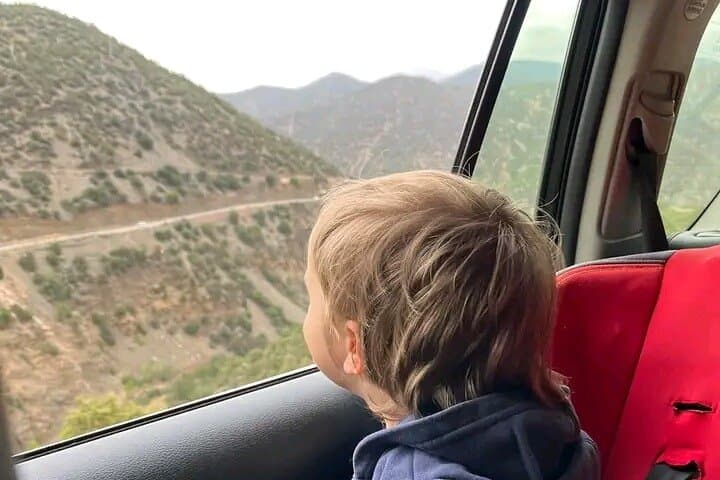
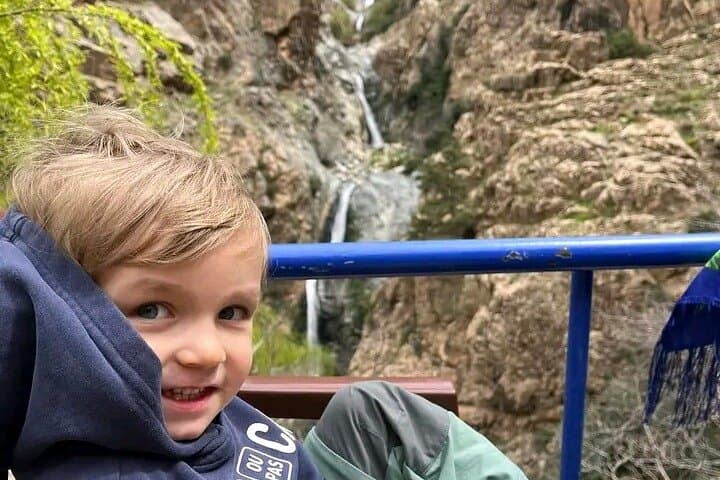
A cool Atlas breeze meets the exhaust of the city as you leave Marrakech at first light, mountain silhouettes sharpening as the medina fades behind you. The drive into the Ourika Valley climbs and undulates through olive groves and argan-scattered slopes until a roadside viewpoint opens onto layered ridgelines and the promise of water. By mid-morning you’ll be walking a village track, the river daring you to follow its course toward a series of cascades at Setti Fatma.
Verified experiences and guided adventures in the surrounding area.
Operated by morocco all excursions · Ourika (Setti Fatma), Marrakech-Safi
A cool Atlas breeze meets the exhaust of the city as you leave Marrakech at first light, mountain silhouettes sharpening as the medina fades behind you. The drive into the Ourika Valley climbs and undulates through olive groves and argan-scattered slopes until a roadside viewpoint opens onto layered ridgelines and the promise of water. By mid-morning you’ll be walking a village track, the river daring you to follow its course toward a series of cascades at Setti Fatma.
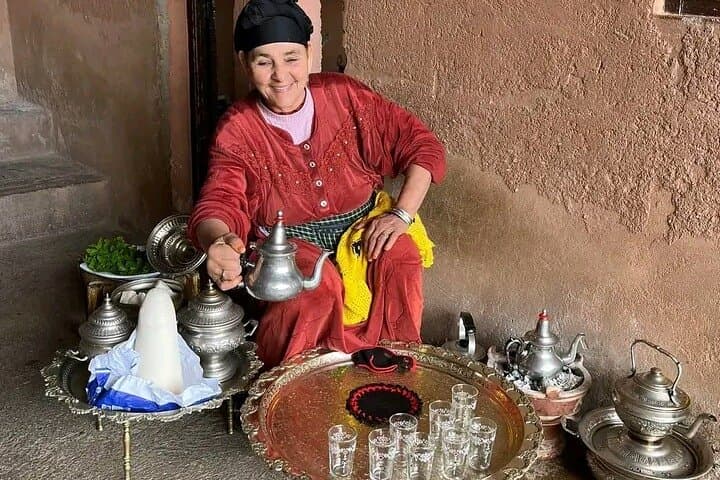
The valley is shaped by erosion of the High Atlas—red and ochre strata folded into gullies and terraces that Berber communities have farmed for centuries. Local culture centers on small-scale agriculture, argan oil production and hospitality: cooperative stalls, homes with low, thick walls, and the ritual of mint tea. Geologically modest but scenically earnest, the waterfalls collect in natural pools that invite quick swims when weather allows.
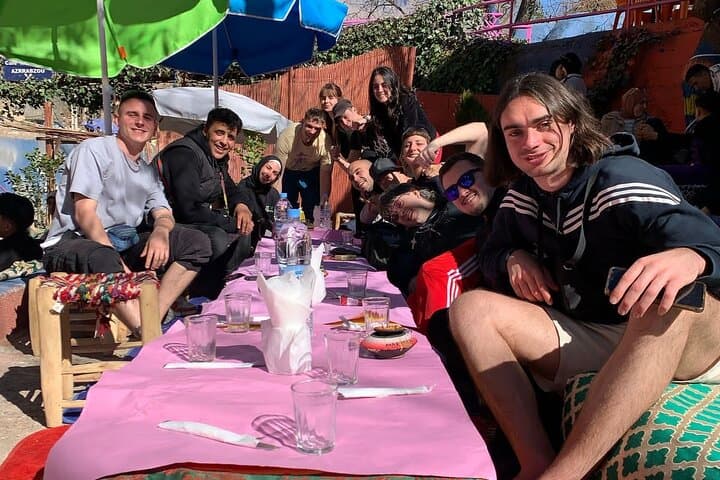
Practically: expect a 6–7 hour day with about 1.5 hours each way from Marrakech. The main waterfall trail is uneven with short steep pitches—comfortable walking shoes and a steady pace handle it. Lunch is typically a home-cooked tagine at a village house or a simple riverside café. Bring hydration, sun protection, and small change for cooperative stalls and tips.
This trip balances light hiking with cultural immersion; it’s an accessible way to trade the city’s buzz for mountain air, local flavors and a glimpse of Berber life without an overnight commitment.
easy.
6–7 hours.
Suitable for most fitness levels; involves short, steep sections and uneven footing so basic mobility and stamina are helpful
The drive to Ourika Valley takes about 1.5 hours each way depending on traffic and exact pickup location.
Yes—most of the trail is short and manageable, but there are uneven steps; supervision and sturdy shoes are recommended.
Swimming is possible in summer months where pools are accessible, but currents and water levels vary—assess conditions locally.
Many cooperatives are local and run by women’s groups; bringing cash supports local producers but compare prices and avoid overly packaged tourist goods.
The valley has long been home to Amazigh (Berber) communities whose terrace farming and argan production shaped the landscape and local economy.
Tourism supports local cooperatives but increases pressure on water and trails; stick to paths, avoid single-use plastics, and buy from verified cooperatives to support local livelihoods.
morocco all excursions operates guided outdoor trips and adventures with an emphasis on safety, stewardship, and memorable experiences.
A cool Atlas breeze meets the exhaust of the city as you leave Marrakech at first light, mountain silhouettes sharpening as the medina fades behind you. The drive into the Ourika Valley climbs and undulates through olive groves and argan-scattered slopes until a roadside viewpoint opens onto layered ridgelines and the promise of water. By mid-morning you’ll be walking a village track, the river daring you to follow its course toward a series of cascades at Setti Fatma.
A cool Atlas breeze meets the exhaust of the city as you leave Marrakech at first light, mountain silhouettes sharpening as the medina fades behind you. The drive into the Ourika Valley climbs and undulates through olive groves and argan-scattered slopes until a roadside viewpoint opens onto layered ridgelines and the promise of water. By mid-morning you’ll be walking a village track, the river daring you to follow its course toward a series of cascades at Setti Fatma.
The valley is shaped by erosion of the High Atlas—red and ochre strata folded into gullies and terraces that Berber communities have farmed for centuries. Local culture centers on small-scale agriculture, argan oil production and hospitality: cooperative stalls, homes with low, thick walls, and the ritual of mint tea. Geologically modest but scenically earnest, the waterfalls collect in natural pools that invite quick swims when weather allows.
Practically: expect a 6–7 hour day with about 1.5 hours each way from Marrakech. The main waterfall trail is uneven with short steep pitches—comfortable walking shoes and a steady pace handle it. Lunch is typically a home-cooked tagine at a village house or a simple riverside café. Bring hydration, sun protection, and small change for cooperative stalls and tips.
This trip balances light hiking with cultural immersion; it’s an accessible way to trade the city’s buzz for mountain air, local flavors and a glimpse of Berber life without an overnight commitment.