
Marrakech Day Trip from Agadir: Self-Guided Exploration of Palaces, Gardens & Jemaa el-Fnaa
A full-day transfer from Agadir delivers you to Marrakech’s red city—Koutoubia, Bahia Palace, Jardin Majorelle and the frenetic soul of Jemaa el-Fnaa—then returns the same evening. This self-guided format gives freedom to explore at your own pace with a driver who provides transport and a city map.
An Adventure In Agadir.
A full-day transfer from Agadir delivers you to Marrakech’s red city—Koutoubia, Bahia Palace, Jardin Majorelle and the frenetic soul of Jemaa el-Fnaa—then returns the same evening. This self-guided format gives freedom to explore at your own pace with a driver who provides transport and a city map.
Read the full experience
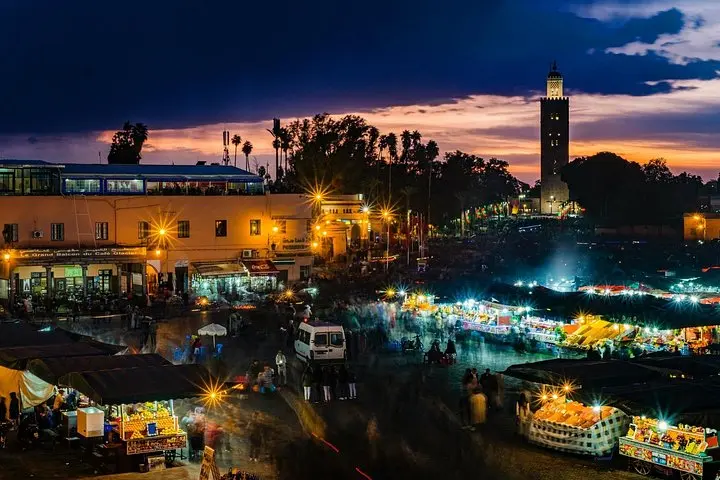
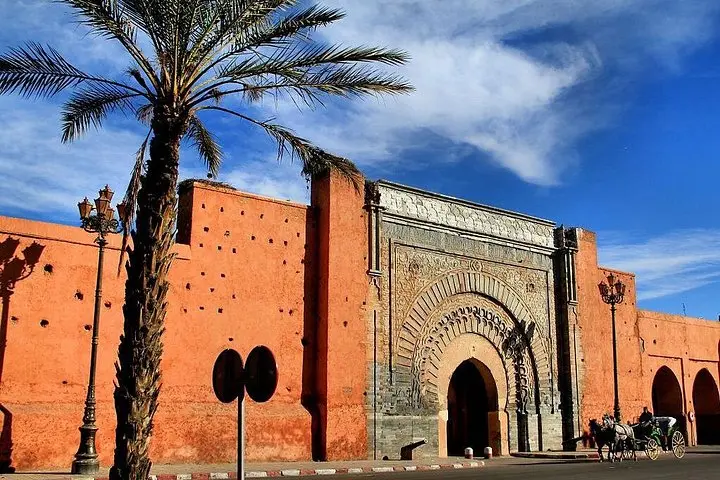
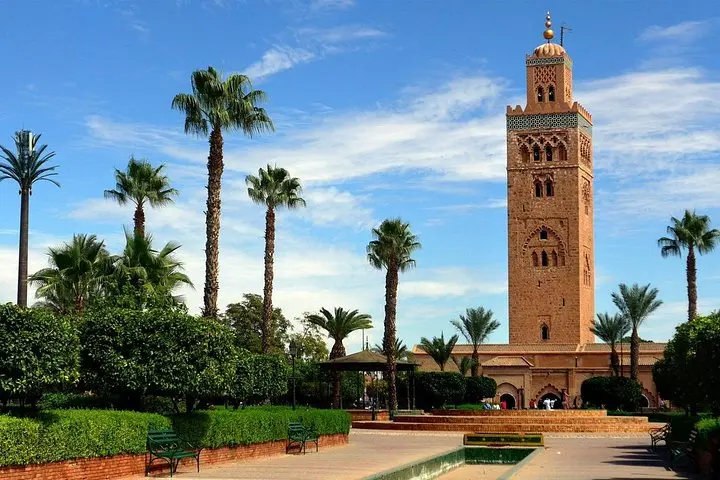
The bus rolls out of Agadir before dawn and the Atlas foothills push the horizon forward like a promise. By mid-morning Marrakech rises: the ochre ramparts, the minaret of Koutoubia puncturing the sky, and stalls spilling color into alleyways. Travelers step off to navigate a city that alternates between shaded courtyards and a sun-baked maze of souks.
The bus rolls out of Agadir before dawn and the Atlas foothills push the horizon forward like a promise. By mid-morning Marrakech rises: the ochre ramparts, the minaret of Koutoubia puncturing the sky, and stalls spilling color into alleyways. Travelers step off to navigate a city that alternates between shaded courtyards and a sun-baked maze of souks.
Marrakech dates to the 11th century and grew under successive dynasties; its architecture records Almoravid, Saadian and Alaouite tastes in tile, plaster and cedar. Geologically the city sits on a broad plain at the foot of the High Atlas, which channels afternoon winds and lends clear light to gardens like Majorelle. Culturally the medina is a working urban core—markets, craftsmen, and public storytellers on Jemaa el-Fnaa—where negotiation is part of the rhythm.
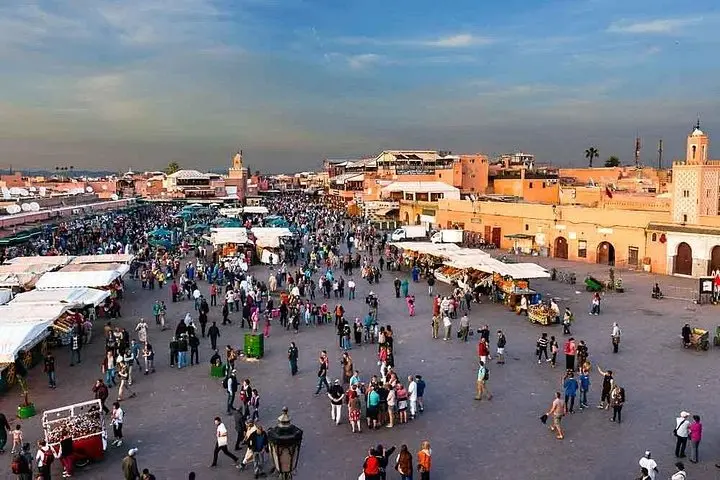
Expect a day of short walks between major sights: Bahia Palace’s ornate chambers, the serene curves of Jardin Majorelle, the Saadian Tombs’ carved stone and the sensory rush of the Djemaa el-Fnaa and its souks. The driver delivers you to a central drop point and gives a map—this is largely self-guided time, so plan priorities and a meeting time for return.
Practical guidance: start early to avoid afternoon heat, buy museum tickets on arrival (many sites charge admission), carry a refillable water bottle and wear closed-toe shoes for cobbled lanes. Allow 8–12 hours for the round trip from Agadir, and keep copies of your driver’s contact info for last-minute changes.
Frequently asked questions
No—most major sites (Bahia Palace, Jardin Majorelle, Badii, Saadian Tombs) charge separate admission paid on arrival.
Yes—private, air-conditioned transport and driver service are provided; confirm exact pickup location when booking.
Yes—the medina has many cafes and street food stalls; pick busy vendors for fresher food and note some people prefer a sit-down lunch at a riad or restaurant.
Generally yes—tour notes say it’s stroller-accessible and infant seats are available, but some medina alleys are narrow or cobbled and can be challenging with large strollers.
About This Experience
Agharass Tours operates guided outdoor trips and adventures with an emphasis on safety, stewardship, and memorable experiences.
Adventure tips
Recommended gear
- Comfortable walking shoes: Closed-toe shoes handle cobbles, steps and occasional dust in the medina.
- Refillable water bottle: Staying hydrated is critical, especially during hot months; many vendors can refill bottles.
- Light sun hat & sunscreen: Protects from intense sun in open squares and palace courtyards.
- Small daypack: Carries water, purchases and guidebook while keeping hands free for photos and bargaining.
Photos of the experience
Related adventures & guides
Read the full experience
The bus rolls out of Agadir before dawn and the Atlas foothills push the horizon forward like a promise. By mid-morning Marrakech rises: the ochre ramparts, the minaret of Koutoubia puncturing the sky, and stalls spilling color into alleyways. Travelers step off to navigate a city that alternates between shaded courtyards and a sun-baked maze of souks.
The bus rolls out of Agadir before dawn and the Atlas foothills push the horizon forward like a promise. By mid-morning Marrakech rises: the ochre ramparts, the minaret of Koutoubia puncturing the sky, and stalls spilling color into alleyways. Travelers step off to navigate a city that alternates between shaded courtyards and a sun-baked maze of souks.
Marrakech dates to the 11th century and grew under successive dynasties; its architecture records Almoravid, Saadian and Alaouite tastes in tile, plaster and cedar. Geologically the city sits on a broad plain at the foot of the High Atlas, which channels afternoon winds and lends clear light to gardens like Majorelle. Culturally the medina is a working urban core—markets, craftsmen, and public storytellers on Jemaa el-Fnaa—where negotiation is part of the rhythm.
Expect a day of short walks between major sights: Bahia Palace’s ornate chambers, the serene curves of Jardin Majorelle, the Saadian Tombs’ carved stone and the sensory rush of the Djemaa el-Fnaa and its souks. The driver delivers you to a central drop point and gives a map—this is largely self-guided time, so plan priorities and a meeting time for return.
Practical guidance: start early to avoid afternoon heat, buy museum tickets on arrival (many sites charge admission), carry a refillable water bottle and wear closed-toe shoes for cobbled lanes. Allow 8–12 hours for the round trip from Agadir, and keep copies of your driver’s contact info for last-minute changes.
Make a day of it nearby.
Verified experiences and guided adventures in the surrounding area.