THE ADVENTURE COLLECTIVE® · Independent discovery and booking for outdoor travel

Shop the old medina at first light, then trade alleyways for a riad kitchen in a hands-on Marrakech cooking class. Learn spice pairings, prepare a tagine or pastilla, and sit down to the meal you made.
Shop the old medina at first light, then trade alleyways for a riad kitchen in a hands-on Marrakech cooking class. Learn spice pairings, prepare a tagine or pastilla, and sit down to the meal you made.
You arrive before dawn at the medina, where the souk exhales cinnamon and orange peel and vendors arrange pyramids of spices like miniature landscapes. A guide steers the group through narrow alleys toward a stall where preserved lemons glint and fresh herbs release their sharp, green scent—this is the shopping chapter of the lesson, hands-on and sensory.
Verified experiences and guided adventures in the surrounding area.
Operated by Moroccan Food Tour · Marrakech, Marrakech-Safi
You arrive before dawn at the medina, where the souk exhales cinnamon and orange peel and vendors arrange pyramids of spices like miniature landscapes. A guide steers the group through narrow alleys toward a stall where preserved lemons glint and fresh herbs release their sharp, green scent—this is the shopping chapter of the lesson, hands-on and sensory.
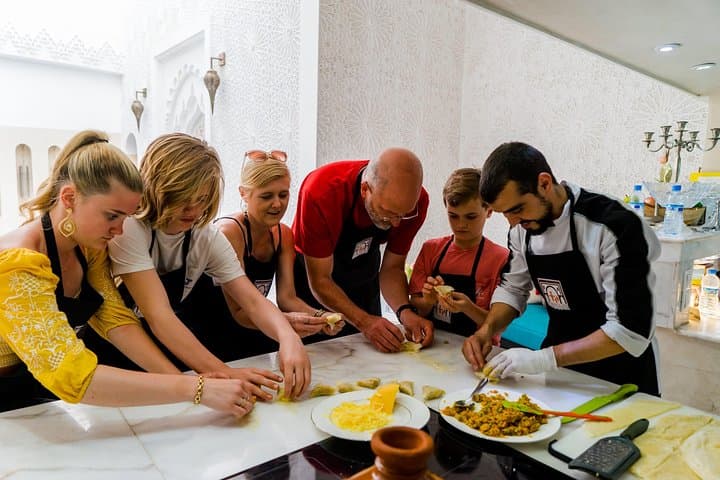
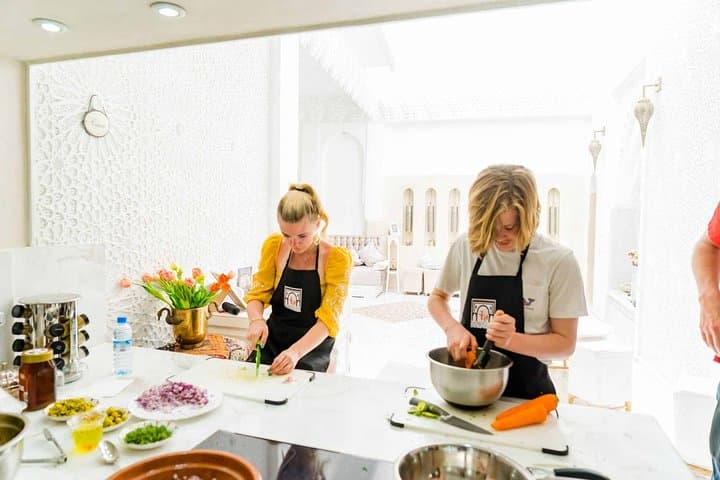
The class moves into a restored riad with tiled courtyards and a low-voiced kitchen brigade. Moroccan cuisine is an urban product of caravan routes and Andalusian gardens: tagines slow-cook over coals, couscous marks communal meals, and pastilla carries sweet-salty echoes of past trade. In three hours, participants not only chop and season but learn why certain spices pair and how the medina’s markets once linked Marrakech to Timbuktu and Tangier.
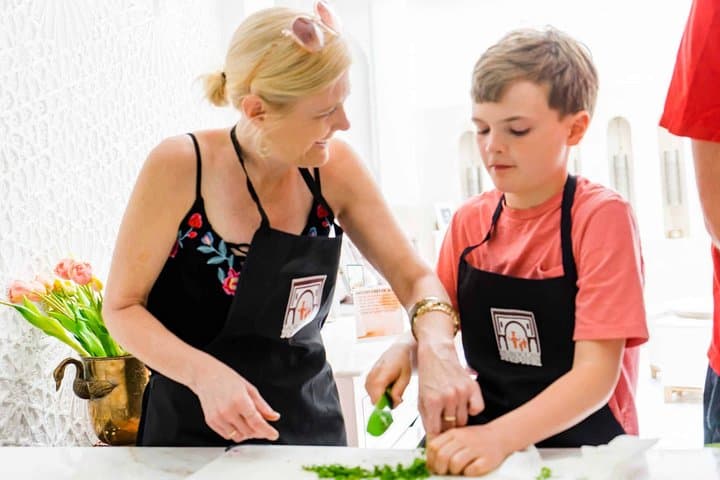
Expect an interactive format: a 45–60 minute market tour, a hands-on workshop in a riad kitchen, and a shared meal with Moroccan mint tea. Menus typically include vegetable starters, your choice of tagine, couscous or pastilla (beef, chicken, or vegetarian), and a chef’s dessert. Groups are small — up to a dozen — so instruction is practical and immediate.
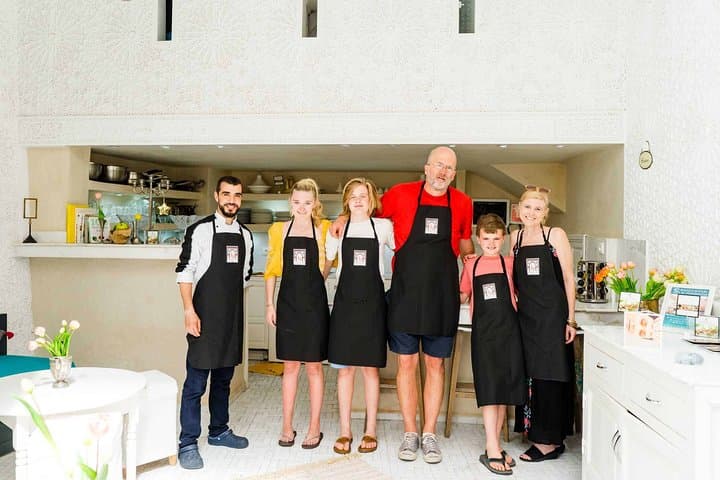
Practical tips: wear closed-toe shoes for the bustling souk, bring small bills for market purchases, and state dietary needs at booking. The riad provides ingredients, aprons, and coffee or tea. This class is cultural, culinary, and compact: ideal for travelers who want to cook their way into a city’s flavor in a single, efficient session.
easy.
2–3 hours.
Requires basic mobility for walking through crowded market alleys and standing during cooking; no special fitness level needed
A guided market visit, use of ingredients and kitchen tools, chef instruction in a riad, a full meal of what you prepare, and tea or coffee.
Yes—hosts ask about preferences at booking and can prepare vegetarian or other common dietary options; specify allergies in advance.
Most workshops are conducted in English with a local chef; check the booking page to confirm language support for your date.
Meeting is usually in the medina near the souk; the riad is a short walk from the market—use a local taxi or arrange to be dropped at a named landmark like Jemaa el-Fnaa.
Marrakech’s markets grew from medieval trade routes; its cuisine blends Berber, Arab, Andalusian and sub-Saharan influences concentrated around souks that historically supplied caravans.
Support local vendors by buying seasonal produce and avoid single-use plastics; many riads emphasize reducing food waste by using leftovers creatively.
Moroccan Food Tour operates guided outdoor trips and adventures with an emphasis on safety, stewardship, and memorable experiences.
You arrive before dawn at the medina, where the souk exhales cinnamon and orange peel and vendors arrange pyramids of spices like miniature landscapes. A guide steers the group through narrow alleys toward a stall where preserved lemons glint and fresh herbs release their sharp, green scent—this is the shopping chapter of the lesson, hands-on and sensory.
You arrive before dawn at the medina, where the souk exhales cinnamon and orange peel and vendors arrange pyramids of spices like miniature landscapes. A guide steers the group through narrow alleys toward a stall where preserved lemons glint and fresh herbs release their sharp, green scent—this is the shopping chapter of the lesson, hands-on and sensory.
The class moves into a restored riad with tiled courtyards and a low-voiced kitchen brigade. Moroccan cuisine is an urban product of caravan routes and Andalusian gardens: tagines slow-cook over coals, couscous marks communal meals, and pastilla carries sweet-salty echoes of past trade. In three hours, participants not only chop and season but learn why certain spices pair and how the medina’s markets once linked Marrakech to Timbuktu and Tangier.
Expect an interactive format: a 45–60 minute market tour, a hands-on workshop in a riad kitchen, and a shared meal with Moroccan mint tea. Menus typically include vegetable starters, your choice of tagine, couscous or pastilla (beef, chicken, or vegetarian), and a chef’s dessert. Groups are small — up to a dozen — so instruction is practical and immediate.
Practical tips: wear closed-toe shoes for the bustling souk, bring small bills for market purchases, and state dietary needs at booking. The riad provides ingredients, aprons, and coffee or tea. This class is cultural, culinary, and compact: ideal for travelers who want to cook their way into a city’s flavor in a single, efficient session.