THE ADVENTURE COLLECTIVE® · Independent discovery and booking for outdoor travel

Experience Agafay’s stone plains at sunset—camel ride, Berber-style dinner and Atlas views all within a short drive from Marrakech. Practical tips on timing, gear and what to expect at camp.
Experience Agafay’s stone plains at sunset—camel ride, Berber-style dinner and Atlas views all within a short drive from Marrakech. Practical tips on timing, gear and what to expect at camp.
The light thins to honey as the Land Cruiser crests a low ridge and the Agafay stone desert opens: flat, wind-sculpted plains of compacted gravel and scattered scrub, the High Atlas ridgeline pinning the horizon. Guests dismount for a short camel walk that rocks like an old boat, then follow a low sand track toward a Berber-style camp where lanterns begin to glow.
Verified experiences and guided adventures in the surrounding area.
Operated by Quad Africa Maroc · Marrakech, Marrakesh-Safi
The light thins to honey as the Land Cruiser crests a low ridge and the Agafay stone desert opens: flat, wind-sculpted plains of compacted gravel and scattered scrub, the High Atlas ridgeline pinning the horizon. Guests dismount for a short camel walk that rocks like an old boat, then follow a low sand track toward a Berber-style camp where lanterns begin to glow.
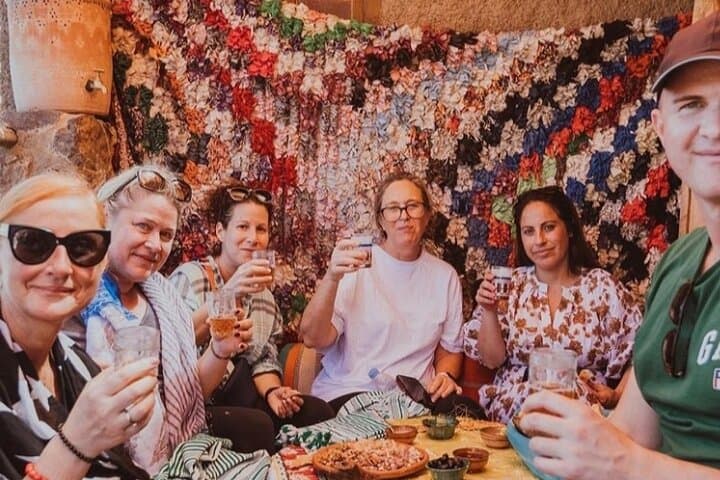
Agafay is not Sahara sand dunes but a stony reg of ancient alluvial terraces—geology of crushed rock that reflects heat by day and cools quickly after sunset. Locals from surrounding villages bring a modern touch to long-standing Amazigh cooking traditions; a communal dinner often includes tagine, salads, mint tea and vegetarian options, served on low tables beneath a canvas awning.
Culturally the site sits on the edge of Marrakech’s weekend escapes: a place for music, storytelling and short shared rituals rather than remote solitude. The desert’s hardscape favors hardy shrubs and the migratory routes of birds, while the Atlas provides the backdrop and seasonal snowpack that feeds the region’s water table.
Practical notes: most tours run late afternoon to evening (about 6–7 hours round-trip from Marrakech), so plan for a sunset-centric schedule, layered clothing and reliable lighting for the drive back. Footwear should protect against gravel and chilly nights; carry water and sunscreen, and book transfers that include air-conditioned vehicles and pickup from Marrakech. Timing your visit outside peak summer heat maximizes comfort and photographic light.
moderate.
6–7 hours.
Suitable for travelers of average fitness; includes light walking and a short camel ride that requires basic balance.
Most camps and meeting points are about 30–45 minutes by car from central Marrakech (roughly 30–45 km depending on route).
Rides are short and suitable for beginners; staff provide basic guidance and camels are led by handlers.
Yes—many operators offer vegetarian options and can often accommodate common dietary requests if notified at booking.
Yes—many tours allow children and provide infant seats in vehicles, but check age limits and safety provisions when booking.
Agafay’s stony plain formed from ancient river deposits and alluvial fans; historically it’s been a grazing and transit area between Marrakech and mountain villages.
Water is scarce—tour operators are increasingly mindful of single-use plastics and local waste; choose providers who manage waste and respect grazing lands.
Quad Africa Maroc operates guided outdoor trips and adventures with an emphasis on safety, stewardship, and memorable experiences.
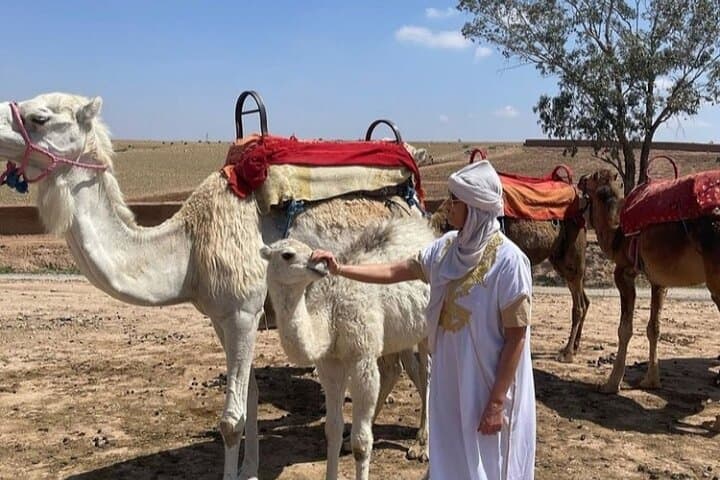
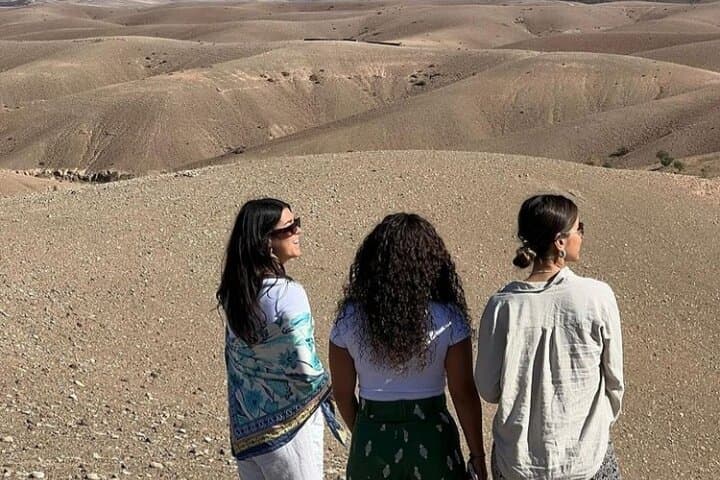
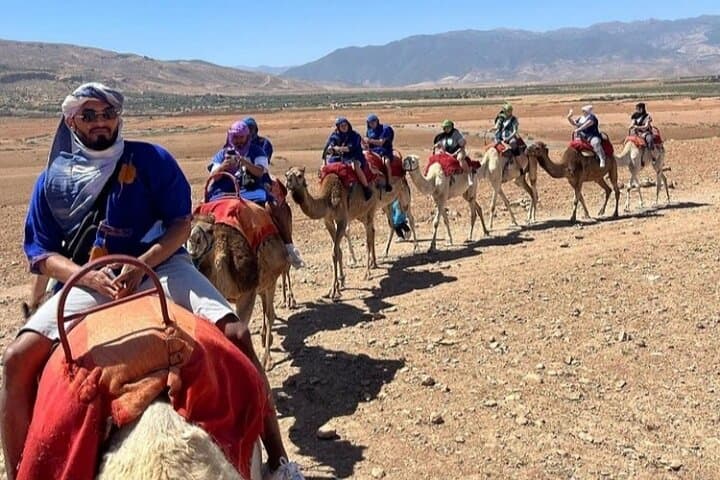
The light thins to honey as the Land Cruiser crests a low ridge and the Agafay stone desert opens: flat, wind-sculpted plains of compacted gravel and scattered scrub, the High Atlas ridgeline pinning the horizon. Guests dismount for a short camel walk that rocks like an old boat, then follow a low sand track toward a Berber-style camp where lanterns begin to glow.
The light thins to honey as the Land Cruiser crests a low ridge and the Agafay stone desert opens: flat, wind-sculpted plains of compacted gravel and scattered scrub, the High Atlas ridgeline pinning the horizon. Guests dismount for a short camel walk that rocks like an old boat, then follow a low sand track toward a Berber-style camp where lanterns begin to glow.
Agafay is not Sahara sand dunes but a stony reg of ancient alluvial terraces—geology of crushed rock that reflects heat by day and cools quickly after sunset. Locals from surrounding villages bring a modern touch to long-standing Amazigh cooking traditions; a communal dinner often includes tagine, salads, mint tea and vegetarian options, served on low tables beneath a canvas awning.
Culturally the site sits on the edge of Marrakech’s weekend escapes: a place for music, storytelling and short shared rituals rather than remote solitude. The desert’s hardscape favors hardy shrubs and the migratory routes of birds, while the Atlas provides the backdrop and seasonal snowpack that feeds the region’s water table.
Practical notes: most tours run late afternoon to evening (about 6–7 hours round-trip from Marrakech), so plan for a sunset-centric schedule, layered clothing and reliable lighting for the drive back. Footwear should protect against gravel and chilly nights; carry water and sunscreen, and book transfers that include air-conditioned vehicles and pickup from Marrakech. Timing your visit outside peak summer heat maximizes comfort and photographic light.