THE ADVENTURE COLLECTIVE® · Independent discovery and booking for outdoor travel

Ride quads across a rocky plateau, glide on a camel at sunset, then eat under a Berber tent—this half-day from Marrakech packages adrenaline and culture into one accessible desert evening. Expect stony terrain, Atlas views, and practical local hospitality.
Ride quads across a rocky plateau, glide on a camel at sunset, then eat under a Berber tent—this half-day from Marrakech packages adrenaline and culture into one accessible desert evening. Expect stony terrain, Atlas views, and practical local hospitality.
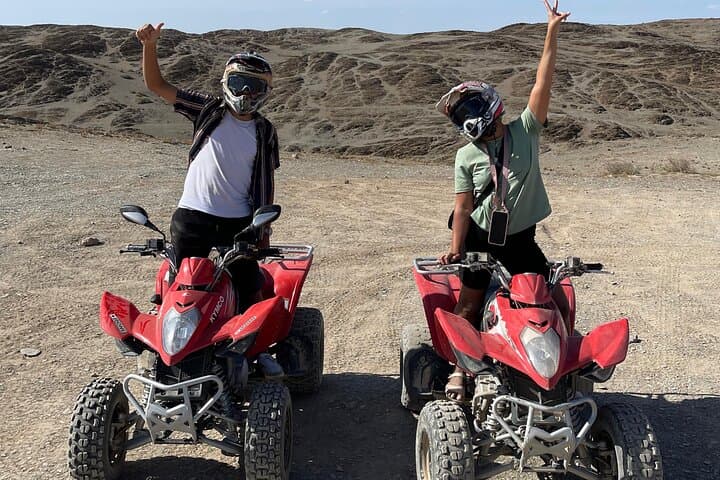
Late-afternoon light slants across a stony plain as Marrakech falls behind and the Agafay plateau opens ahead—rocky, ochre, and oddly close to the Atlas line. Riders kick quad tires at a small staging area while camels low and staff hand out traditional scarves; the air holds a dry dust that tastes of sun and distant mountains.
Verified experiences and guided adventures in the surrounding area.
Operated by Best Excursion Marrakech · Marrakech, Marrakech-Safi
Late-afternoon light slants across a stony plain as Marrakech falls behind and the Agafay plateau opens ahead—rocky, ochre, and oddly close to the Atlas line. Riders kick quad tires at a small staging area while camels low and staff hand out traditional scarves; the air holds a dry dust that tastes of sun and distant mountains.
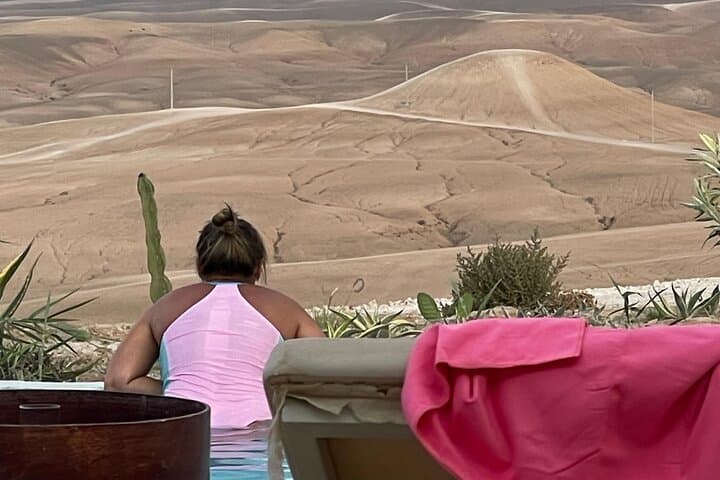
Agafay is not a sand sea but a rocky desert formed from weathered volcanic and sedimentary deposits pushed out by the Atlas Mountains. For centuries Berber families grazed goats on these plateaus; today small camps recreate elements of nomadic hospitality—mint tea, tajine, and evening drums—so visitors can connect to local culture without long travel into the Sahara.
Expect a structured half-day: hotel pickup in Marrakech, roughly 1 hour of quad biking across packed stony tracks and washboard paths, a camel ride timed for sunset, then a seated dinner and cultural show beneath a canvas tent. Terrain is flat to rolling with loose scree and compacted tracks; elevation around 700–900 m, so weather swings quickly after dark.
Practical advice: bring closed-toe shoes, sun protection, and a light layer for post-sunset chill. Beginners can handle the quad sections with a short safety briefing, but always follow guide instructions. Photography is rewarding—frame the Atlas ridge as the sun drops—and support local staff by tipping and minimizing single-use waste. This itinerary delivers adrenaline, cultural context, and a desert evening without overnight logistics, ideal for a full but accessible day trip from Marrakech.
moderate.
6–7 hours.
Suitable for visitors in normal physical condition; ability to climb onto a camel and handle an off-road quad for short bursts is required.
Typical itineraries include about 1 hour of quad biking and roughly 1 hour total on camels, embedded within a 6–7 hour round-trip experience from Marrakech.
Yes—operators provide a safety briefing and usually keep routes beginner-friendly, but riders should be able to handle a throttle and maintain basic balance.
Many operators permit children but set age or height minimums for quads and camels; check in advance and request infant seats for transfers if needed.
This is accessible to most people in normal health: mounting a camel and standing during quad turns require basic mobility, but no advanced fitness is necessary.
The Agafay plateau has long been a grazing and transit area for Berber communities; modern camps recreate aspects of nomadic hospitality for visitors from Marrakech.
Stick to marked tracks to avoid fragile vegetation, avoid open fires outside camp areas, and choose operators who manage waste and hire local staff.
Best Excursion Marrakech operates guided outdoor trips and adventures with an emphasis on safety, stewardship, and memorable experiences.
Late-afternoon light slants across a stony plain as Marrakech falls behind and the Agafay plateau opens ahead—rocky, ochre, and oddly close to the Atlas line. Riders kick quad tires at a small staging area while camels low and staff hand out traditional scarves; the air holds a dry dust that tastes of sun and distant mountains.
Late-afternoon light slants across a stony plain as Marrakech falls behind and the Agafay plateau opens ahead—rocky, ochre, and oddly close to the Atlas line. Riders kick quad tires at a small staging area while camels low and staff hand out traditional scarves; the air holds a dry dust that tastes of sun and distant mountains.
Agafay is not a sand sea but a rocky desert formed from weathered volcanic and sedimentary deposits pushed out by the Atlas Mountains. For centuries Berber families grazed goats on these plateaus; today small camps recreate elements of nomadic hospitality—mint tea, tajine, and evening drums—so visitors can connect to local culture without long travel into the Sahara.
Expect a structured half-day: hotel pickup in Marrakech, roughly 1 hour of quad biking across packed stony tracks and washboard paths, a camel ride timed for sunset, then a seated dinner and cultural show beneath a canvas tent. Terrain is flat to rolling with loose scree and compacted tracks; elevation around 700–900 m, so weather swings quickly after dark.
Practical advice: bring closed-toe shoes, sun protection, and a light layer for post-sunset chill. Beginners can handle the quad sections with a short safety briefing, but always follow guide instructions. Photography is rewarding—frame the Atlas ridge as the sun drops—and support local staff by tipping and minimizing single-use waste. This itinerary delivers adrenaline, cultural context, and a desert evening without overnight logistics, ideal for a full but accessible day trip from Marrakech.