THE ADVENTURE COLLECTIVE® · Independent discovery and booking for outdoor travel

Cross the High Atlas, explore Ait Ben Haddou and Todra Gorge, then ride a camel into the Erg Chebbi dunes for a night in a Berber camp. Practical route notes and cultural context help you prepare for three days of dramatic landscapes and long drives.
Cross the High Atlas, explore Ait Ben Haddou and Todra Gorge, then ride a camel into the Erg Chebbi dunes for a night in a Berber camp. Practical route notes and cultural context help you prepare for three days of dramatic landscapes and long drives.
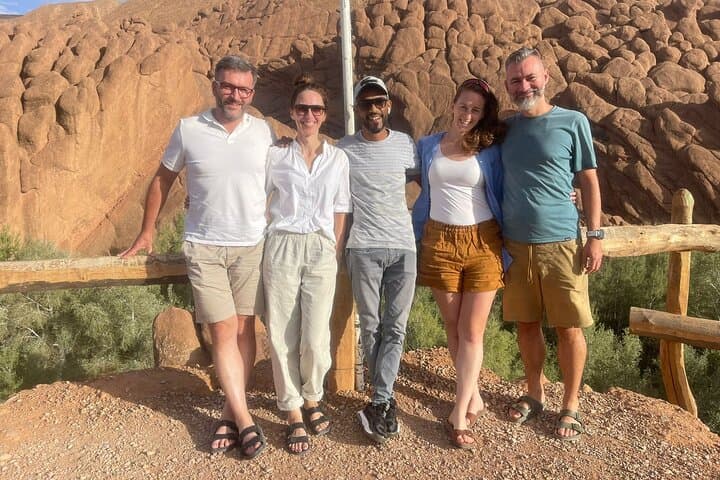
The sun slips low over the Erg Chebbi ridgeline and the dune crests turn from gold to rust — you feel the desert breathe around the campfire as the last light slides down the slope. This three-day route threads from Marrakech over the Tizi n’Tichka pass, through the ochre kasbahs of Ait Ben Haddou and the narrow stone throat of Todra Gorge, until the Sahara opens into an ocean of sand at Merzouga.
Verified experiences and guided adventures in the surrounding area.
Operated by morocco desert activities · Merzouga, Drâa-Tafilalet
The sun slips low over the Erg Chebbi ridgeline and the dune crests turn from gold to rust — you feel the desert breathe around the campfire as the last light slides down the slope. This three-day route threads from Marrakech over the Tizi n’Tichka pass, through the ochre kasbahs of Ait Ben Haddou and the narrow stone throat of Todra Gorge, until the Sahara opens into an ocean of sand at Merzouga.
That landscape is a product of tectonics and time: the High Atlas rose under African-Eurasian collision, while wind and rare flash floods shape the dunes of Erg Chebbi. Culture here is equally layered — Amazigh (Berber) villages, caravan-era kasbahs that later became film locations, and live Gnawa rhythms in the desert that keep a centuries-old oral tradition alive.
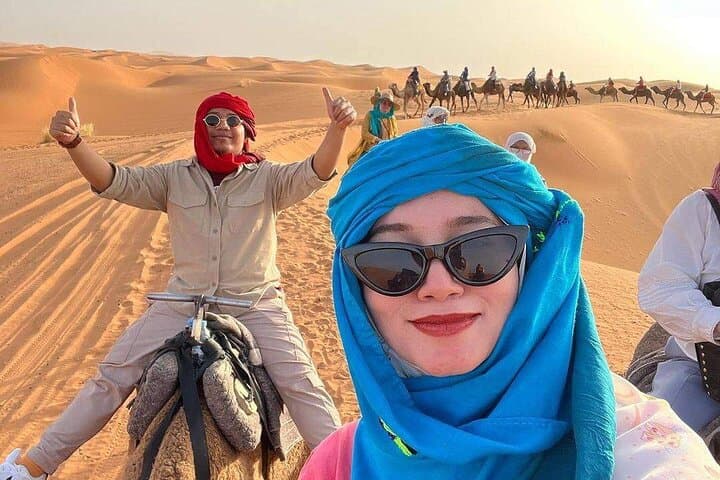
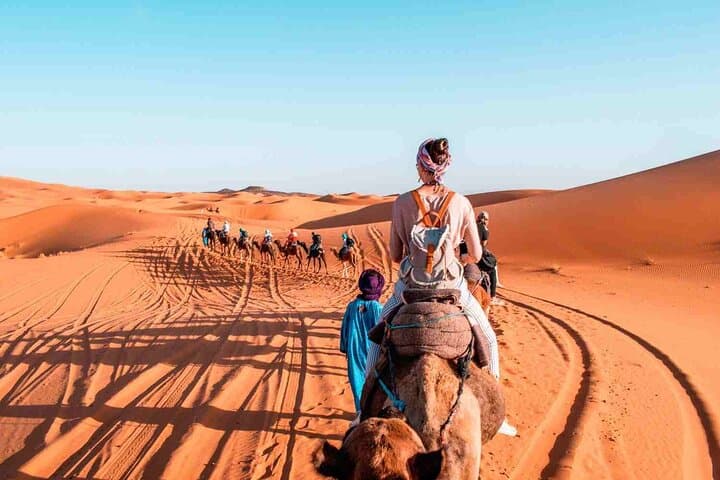
Expect long, scenic drives punctuated by short walks — canyon rims, kasbah courtyards, and a 60–90 minute camel trek to your desert camp at sunset. Nights are cold even after hot days; the Berber tents offer basic comfort and communal meals with music.
Practical guidance: carry water and a sun hat for daytime transfers, a warm mid-layer for night, and sturdy shoes for rocky gorges. Allow time for altitude and dust — the pass reaches over 2,200 m — and book transfers early in high season. Photography is easy at golden hour, but always ask before photographing people in villages. With simple preparation, the trip is an accessible way to combine geology, history, and a hands-on encounter with Sahara life.
moderate.
3 days (≈72 hours).
Suitable for travelers in average fitness — you should be comfortable with several hours in vehicles, short canyon walks and mounting camels.
Camel rides are gentle and guided; you’ll sit on a padded saddle for about 60–90 minutes and dismount a few times — basic mobility is all that’s required.
Berber camps provide simple, insulated tents with bedding and shared sanitation facilities; expect communal meals and traditional music rather than hotel amenities.
Visa requirements depend on your nationality; for most travelers short tourist stays require no special permit beyond a valid passport and any required entry visa for Morocco.
Coverage is intermittent in remote areas; bring cash in dirhams for villages and desert camps — ATMs are available in larger towns like Ouarzazate or Erfoud, not in the dunes.
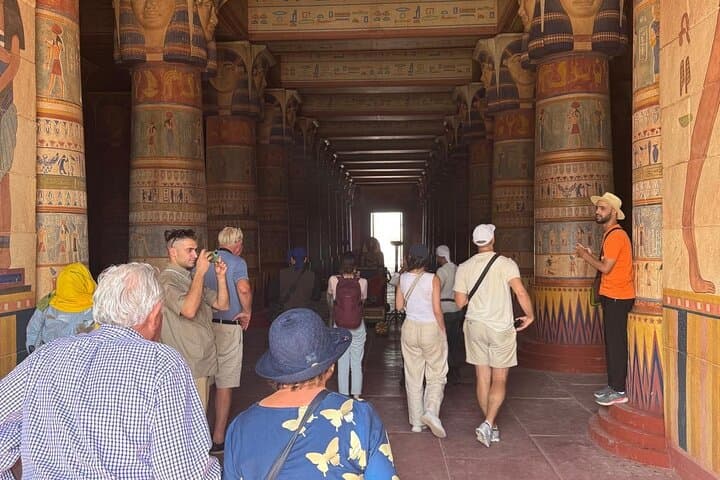
The route follows historic trade corridors from the High Atlas toward trans-Saharan routes; Ait Ben Haddou preserves fortified earthen architecture used by local communities and film crews alike.
The Sahara’s fragile soil and sparse water make Leave No Trace essential — avoid off-track driving on dunes and support local cooperatives that maintain camps and guide services.
morocco desert activities operates guided outdoor trips and adventures with an emphasis on safety, stewardship, and memorable experiences.
The sun slips low over the Erg Chebbi ridgeline and the dune crests turn from gold to rust — you feel the desert breathe around the campfire as the last light slides down the slope. This three-day route threads from Marrakech over the Tizi n’Tichka pass, through the ochre kasbahs of Ait Ben Haddou and the narrow stone throat of Todra Gorge, until the Sahara opens into an ocean of sand at Merzouga.
The sun slips low over the Erg Chebbi ridgeline and the dune crests turn from gold to rust — you feel the desert breathe around the campfire as the last light slides down the slope. This three-day route threads from Marrakech over the Tizi n’Tichka pass, through the ochre kasbahs of Ait Ben Haddou and the narrow stone throat of Todra Gorge, until the Sahara opens into an ocean of sand at Merzouga.
That landscape is a product of tectonics and time: the High Atlas rose under African-Eurasian collision, while wind and rare flash floods shape the dunes of Erg Chebbi. Culture here is equally layered — Amazigh (Berber) villages, caravan-era kasbahs that later became film locations, and live Gnawa rhythms in the desert that keep a centuries-old oral tradition alive.
Expect long, scenic drives punctuated by short walks — canyon rims, kasbah courtyards, and a 60–90 minute camel trek to your desert camp at sunset. Nights are cold even after hot days; the Berber tents offer basic comfort and communal meals with music.
Practical guidance: carry water and a sun hat for daytime transfers, a warm mid-layer for night, and sturdy shoes for rocky gorges. Allow time for altitude and dust — the pass reaches over 2,200 m — and book transfers early in high season. Photography is easy at golden hour, but always ask before photographing people in villages. With simple preparation, the trip is an accessible way to combine geology, history, and a hands-on encounter with Sahara life.