THE ADVENTURE COLLECTIVE® · Independent discovery and booking for outdoor travel

A fast-paced two-day summit trek from Marrakech to Jebel Toubkal that covers Imlil, an overnight in the mountain refuge, and a pre-dawn push to North Africa’s highest peak. Ideal for fit hikers ready for high-altitude walking and big alpine views.
A fast-paced two-day summit trek from Marrakech to Jebel Toubkal that covers Imlil, an overnight in the mountain refuge, and a pre-dawn push to North Africa’s highest peak. Ideal for fit hikers ready for high-altitude walking and big alpine views.
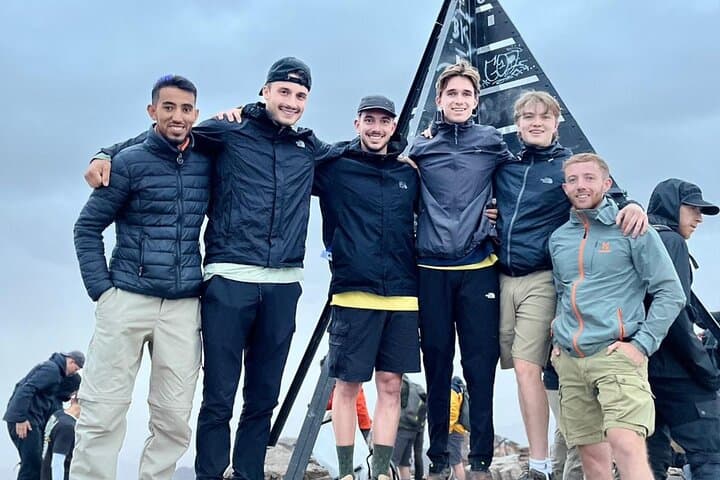
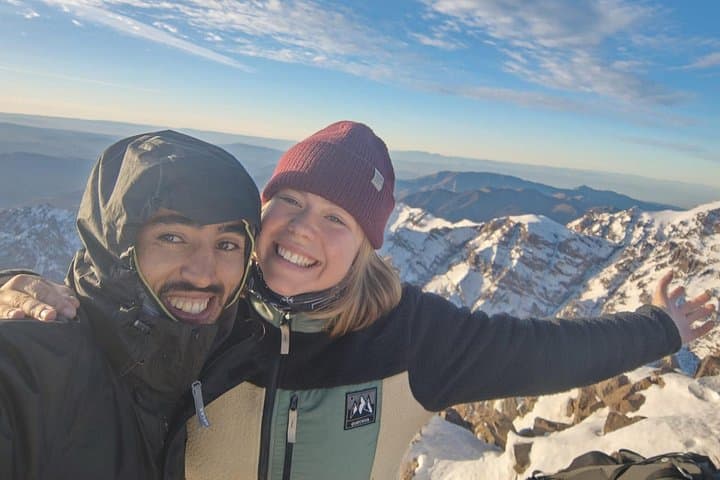
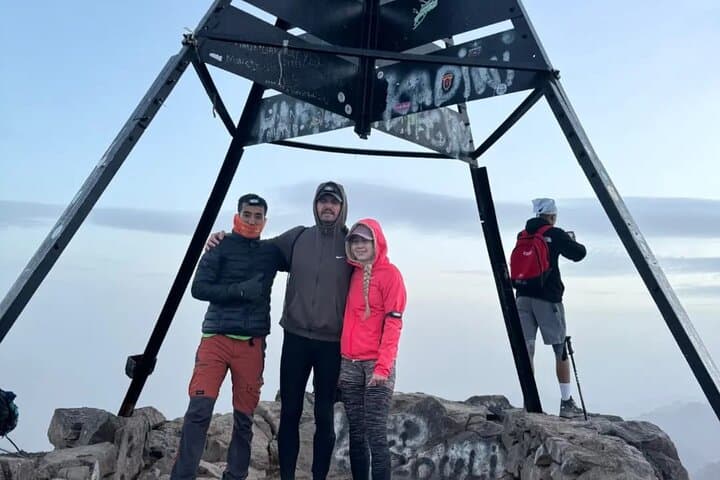
Dawn on the Atlas feels immediate: a cool breath through walnut trees in the Imlil valley, mules clinking, and the refuge’s kettle hissing as trekkers lace boots for a climb toward rock and sky. The ascent moves from terraced fields into scrubby alpine slopes, the air thinning as the jagged profile of Jebel Toubkal—the highest peak in North Africa—draws nearer.
Verified experiences and guided adventures in the surrounding area.
Operated by CLICK EXCURSIONS · Imlil, Marrakech-Safi
Dawn on the Atlas feels immediate: a cool breath through walnut trees in the Imlil valley, mules clinking, and the refuge’s kettle hissing as trekkers lace boots for a climb toward rock and sky. The ascent moves from terraced fields into scrubby alpine slopes, the air thinning as the jagged profile of Jebel Toubkal—the highest peak in North Africa—draws nearer.
The route follows ancient Berber tracks used by local Amazigh communities for centuries; you’ll pass the small shrine at Sidi Chamharouch and cross moraines and talus laid down by past glaciers. Geologically the High Atlas is a young, uplifted mountain chain of folded sedimentary rock and igneous intrusions, which creates steep gullies and expansive views of red-brown ridgelines.
Culturally, Imlil and nearby villages still operate on a seasonal rhythm of shepherding and farming; mountain huts and local guides are run by families who’ve hosted climbers for generations. Expect strong sun and sharp temperature swings—summit mornings are bright and dry, while the refuge can feel brisk after dark.
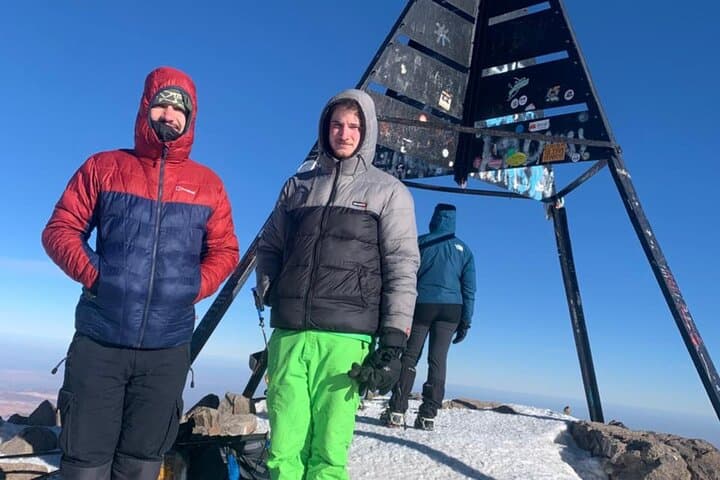
Practically: the itinerary is two days with an overnight at the Toubkal refuge (or comfort tent), an early 5:30 a.m. summit start, and roughly 4–6 hours of uphill walking to the 4,167 m summit. Pack layers for wind and cold, carry 2–3 liters of water, and allow time for short acclimatization in Imlil. Trail conditions vary by season—snow and crampons are possible in winter and spring, while summer offers long daylight and warm lower slopes. Hiring a licensed guide is recommended for navigation, local logistics, and supporting sustainable mountain communities.
challenging.
2 days.
Good cardiovascular fitness and comfort with sustained uphill hiking at high altitude; prior day-hiking experience recommended
The itinerary is fast and gains altitude quickly; most people tolerate it if they move conservatively, hydrate, and sleep in Imlil before climbing—if you’re sensitive to altitude, allow an extra day.
In summer no; in winter and early spring snow and ice are common and crampons and an ice axe may be required—check seasonal conditions with your operator.
Refuge accommodations are basic but comfortable with shared dorms or tents, hot meals prepared by local cooks, and simple facilities including hot tea and showers when available.
Active hikers with good fitness and no serious medical issues can complete the trek, but it’s strenuous and includes high-altitude exposure—guiding support is strongly recommended.
Jebel Toubkal (4,167 m) is the highest peak in the Atlas and North Africa; the Imlil valley has been an Amazigh (Berber) farming and shepherding landscape for centuries.
Increasing visitor numbers put pressure on trails and local water; hire local guides, follow Leave No Trace, and support refuge waste-management practices to reduce impact.
CLICK EXCURSIONS operates guided outdoor trips and adventures with an emphasis on safety, stewardship, and memorable experiences.
Dawn on the Atlas feels immediate: a cool breath through walnut trees in the Imlil valley, mules clinking, and the refuge’s kettle hissing as trekkers lace boots for a climb toward rock and sky. The ascent moves from terraced fields into scrubby alpine slopes, the air thinning as the jagged profile of Jebel Toubkal—the highest peak in North Africa—draws nearer.
Dawn on the Atlas feels immediate: a cool breath through walnut trees in the Imlil valley, mules clinking, and the refuge’s kettle hissing as trekkers lace boots for a climb toward rock and sky. The ascent moves from terraced fields into scrubby alpine slopes, the air thinning as the jagged profile of Jebel Toubkal—the highest peak in North Africa—draws nearer.
The route follows ancient Berber tracks used by local Amazigh communities for centuries; you’ll pass the small shrine at Sidi Chamharouch and cross moraines and talus laid down by past glaciers. Geologically the High Atlas is a young, uplifted mountain chain of folded sedimentary rock and igneous intrusions, which creates steep gullies and expansive views of red-brown ridgelines.
Culturally, Imlil and nearby villages still operate on a seasonal rhythm of shepherding and farming; mountain huts and local guides are run by families who’ve hosted climbers for generations. Expect strong sun and sharp temperature swings—summit mornings are bright and dry, while the refuge can feel brisk after dark.
Practically: the itinerary is two days with an overnight at the Toubkal refuge (or comfort tent), an early 5:30 a.m. summit start, and roughly 4–6 hours of uphill walking to the 4,167 m summit. Pack layers for wind and cold, carry 2–3 liters of water, and allow time for short acclimatization in Imlil. Trail conditions vary by season—snow and crampons are possible in winter and spring, while summer offers long daylight and warm lower slopes. Hiring a licensed guide is recommended for navigation, local logistics, and supporting sustainable mountain communities.