THE ADVENTURE COLLECTIVE® · Independent discovery and booking for outdoor travel

A guided 11 km loop from the village of Maroulas that follows shepherds' trails and part of the E4, offering sweeping views of Rethymno Bay, the White Mountains and Psiloritis. Expect 4–5 hours on uneven terrain, shepherds' hospitality and authentic rural Crete.
A guided 11 km loop from the village of Maroulas that follows shepherds' trails and part of the E4, offering sweeping views of Rethymno Bay, the White Mountains and Psiloritis. Expect 4–5 hours on uneven terrain, shepherds' hospitality and authentic rural Crete.
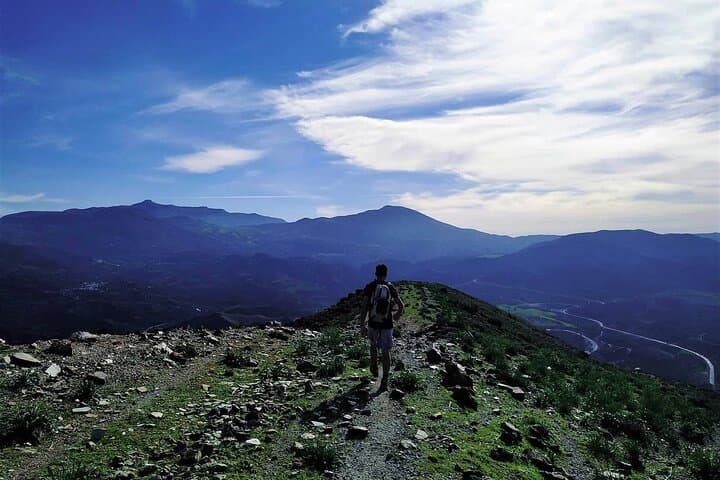
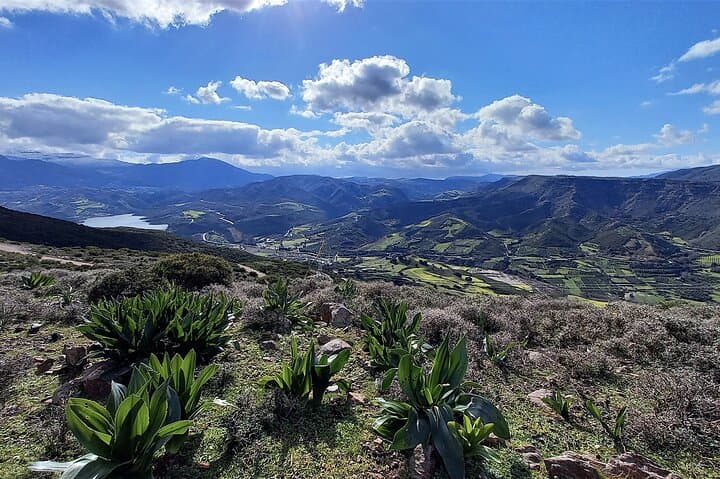
You step off the village lane and the slope takes your breath before the view does — Rethymnon Bay unfurls to the north, the White Mountains push a dark line to the west, and Psiloritis sits broad and distant to the south. The trail follows old shepherds' paths and a stretch of the E4 European long-distance route, sliding through vine terraces, dry-stone walls and pockets of wild scrub that perfume the air.
Verified experiences and guided adventures in the surrounding area.
Operated by ECO EVENTS · Maroulas, Crete
You step off the village lane and the slope takes your breath before the view does — Rethymnon Bay unfurls to the north, the White Mountains push a dark line to the west, and Psiloritis sits broad and distant to the south. The trail follows old shepherds' paths and a stretch of the E4 European long-distance route, sliding through vine terraces, dry-stone walls and pockets of wild scrub that perfume the air.
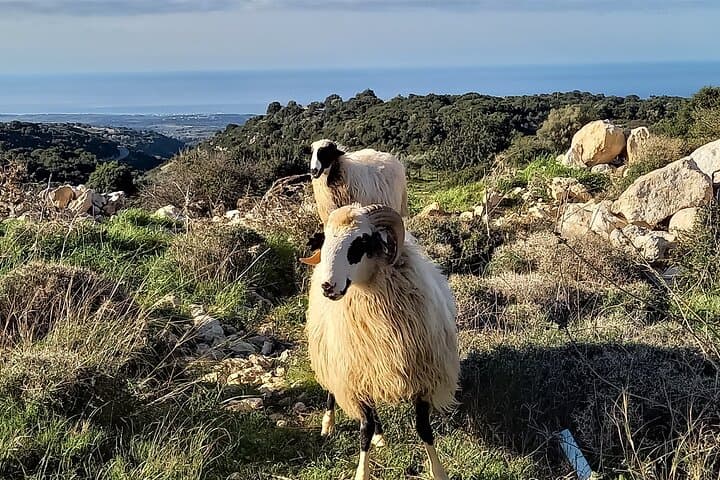
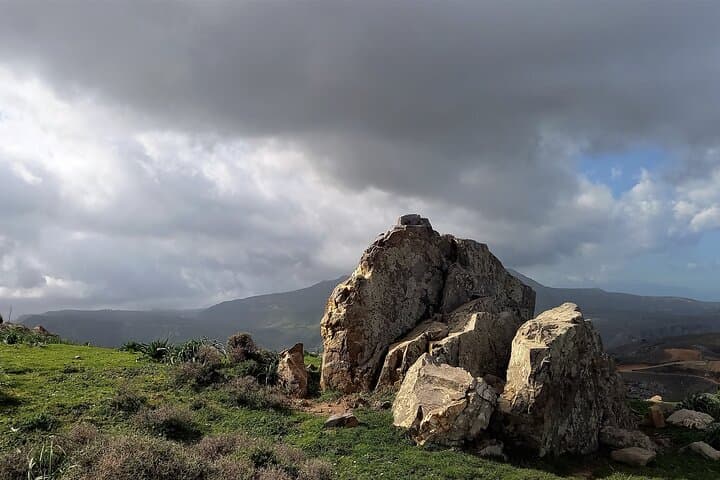
Maroulas and its surroundings have been shaped by centuries of pastoral use; shepherds and smallhold farmers cut the lines you now walk. Geologically this part of central Crete is limestone country: karst valleys, gullies carved by winter runoff and rocky ridgelines that open into wide coastal views. Culturally the route is rural Cretan — you may pass working flocks and meet shepherds who still practice seasonal grazing; their hospitality can include a glass of raki and fresh cheese.
The loop is roughly 11 km and takes about 4–5 hours on uneven, sometimes loose terrain with modest climbing and several valley crossings. Practical planning: start early in hot months, bring 1.5–2 liters of water, sun protection and sturdy shoes with grip. A local English- or French-speaking guide accompanies the group, handles logistics and keeps the route to working land respectful. Expect limited shade, occasional rocky scrambles, and steady countryside pace — the reward is a stretch of solitary views and authentic island life that few day visitors see.
moderate.
4–5 hours.
Moderate fitness: able to walk 11 km on uneven terrain with some elevation changes and short rocky sections.
The loop is about 11 km and typically takes 4–5 hours; terrain is uneven and includes some short climbs, rated moderate.
Yes — an experienced local guide accompanies the hike and the tour notes English and French guidance is available.
Hotel pickup and drop-off within the Rethymno district are included; other pick-up points require confirmation at booking.
Not recommended for very young children or people with limited mobility due to rough ground and uneven paths; participants should have moderate fitness.
The Maroulas area reflects traditional Cretan pastoral life shaped over centuries under Venetian and Ottoman influence; stone terraces and footpaths trace long-standing agricultural practices.
Stick to marked paths to protect fragile terraces and prevent soil erosion; respect shepherds' land and carry out all trash to minimize human impact.
ECO EVENTS operates guided outdoor trips and adventures with an emphasis on safety, stewardship, and memorable experiences.
You step off the village lane and the slope takes your breath before the view does — Rethymnon Bay unfurls to the north, the White Mountains push a dark line to the west, and Psiloritis sits broad and distant to the south. The trail follows old shepherds' paths and a stretch of the E4 European long-distance route, sliding through vine terraces, dry-stone walls and pockets of wild scrub that perfume the air.
You step off the village lane and the slope takes your breath before the view does — Rethymnon Bay unfurls to the north, the White Mountains push a dark line to the west, and Psiloritis sits broad and distant to the south. The trail follows old shepherds' paths and a stretch of the E4 European long-distance route, sliding through vine terraces, dry-stone walls and pockets of wild scrub that perfume the air.
Maroulas and its surroundings have been shaped by centuries of pastoral use; shepherds and smallhold farmers cut the lines you now walk. Geologically this part of central Crete is limestone country: karst valleys, gullies carved by winter runoff and rocky ridgelines that open into wide coastal views. Culturally the route is rural Cretan — you may pass working flocks and meet shepherds who still practice seasonal grazing; their hospitality can include a glass of raki and fresh cheese.
The loop is roughly 11 km and takes about 4–5 hours on uneven, sometimes loose terrain with modest climbing and several valley crossings. Practical planning: start early in hot months, bring 1.5–2 liters of water, sun protection and sturdy shoes with grip. A local English- or French-speaking guide accompanies the group, handles logistics and keeps the route to working land respectful. Expect limited shade, occasional rocky scrambles, and steady countryside pace — the reward is a stretch of solitary views and authentic island life that few day visitors see.