THE ADVENTURE COLLECTIVE® · Independent discovery and booking for outdoor travel

Follow a 6 km stretch of the Maroços levada through Machico’s Mimosa Valley for sweeping bay views, terraced farms and a gentle, historic walk suitable for most fitness levels.
Follow a 6 km stretch of the Maroços levada through Machico’s Mimosa Valley for sweeping bay views, terraced farms and a gentle, historic walk suitable for most fitness levels.
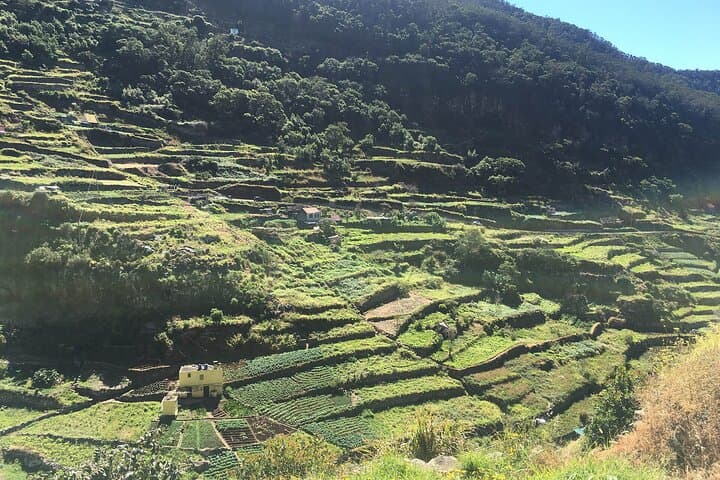
You step out onto a narrow track and the levada becomes a line that pulls the landscape toward the sea. The Maroços levada skirts the floor of Machico’s Mimosa Valley, cutting along agricultural terraces and offering a steady rhythm of earth, stone and rushing gullies as the Bay of Machico opens below.
Verified experiences and guided adventures in the surrounding area.
Operated by Madeira Happy Tours · Machico, Madeira
You step out onto a narrow track and the levada becomes a line that pulls the landscape toward the sea. The Maroços levada skirts the floor of Machico’s Mimosa Valley, cutting along agricultural terraces and offering a steady rhythm of earth, stone and rushing gullies as the Bay of Machico opens below.
The route follows a 6 km section of historic irrigation channels built to carry mountain water to the cultivated Poios Madeirenses. Madeira’s origins are volcanic; the valley walls are steep basalt and old lahar deposits shaped by centuries of rainfall, while terraced fields record a farming culture that dates back to the island’s 15th-century settlement by Tristão Vaz Teixeira and João Gonçalves Zarco.
Expect close-up encounters with local life—small fruit stalls, patchwork terraces, and shepherd dogs more curious than aggressive. The path is mostly flat but can be narrow, with occasional wet patches and loose stones where runoff collects. Weather changes fast; winds off the Atlantic can cool an otherwise warm morning.
Practical guidance: allow about four hours door-to-door for transport and the walk itself; actual walking is roughly 2–3 hours at a relaxed pace. Wear sturdy trail shoes with good grip, bring 1–2 liters of water, sun protection, and a light waterproof layer. Start early for softer light and fewer people, and step carefully on single-track sections. Respect private agricultural plots and buy local fruit if offered—the route supports small mountain farmers and rewards those who travel thoughtfully.
easy.
2–4 hours (walking + transfers).
Suitable for most walkers who can handle a few hours of steady, low-gradient hiking.
The guided itinerary covers a selected 6 km stretch; expect 2–3 hours of walking and about 4 hours total including transport and stops.
Yes—the route is rated easy and relatively flat, though narrow sections and uneven footing mean supervision and steady footwear are advised.
Facilities are limited; small fruit stalls may appear along the way but plan to use toilets in Machico and bring snacks and water.
Yes—operators often cancel in heavy rain or unsafe conditions; check the local forecast and cancellation policy before you go.
The Machico valley was central to Madeira’s early settlement in 1419 and the terraced Poios reflect centuries of small-scale agriculture.
Stay on marked paths and avoid disturbing irrigation channels; local guides help minimize erosion and support farmers who maintain the levadas.
Madeira Happy Tours operates guided outdoor trips and adventures with an emphasis on safety, stewardship, and memorable experiences.
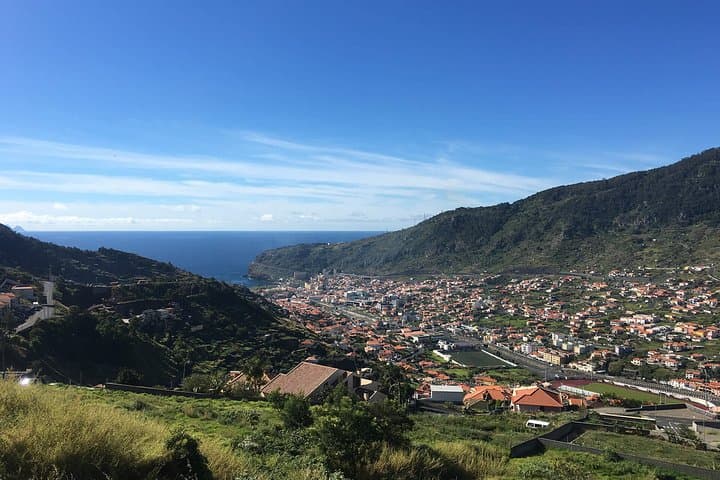
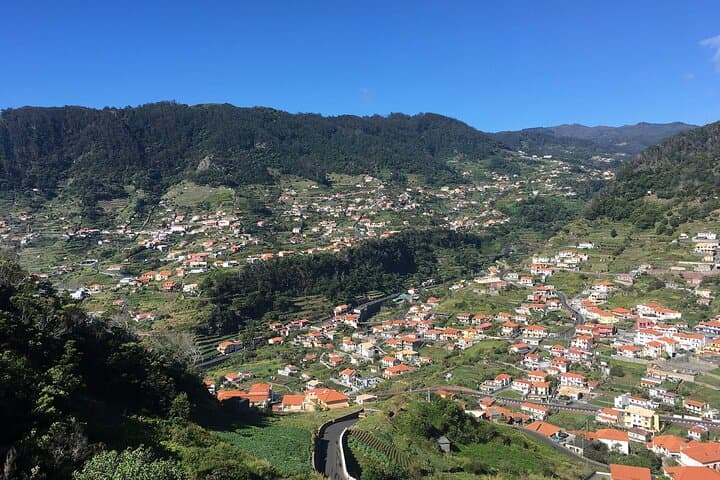
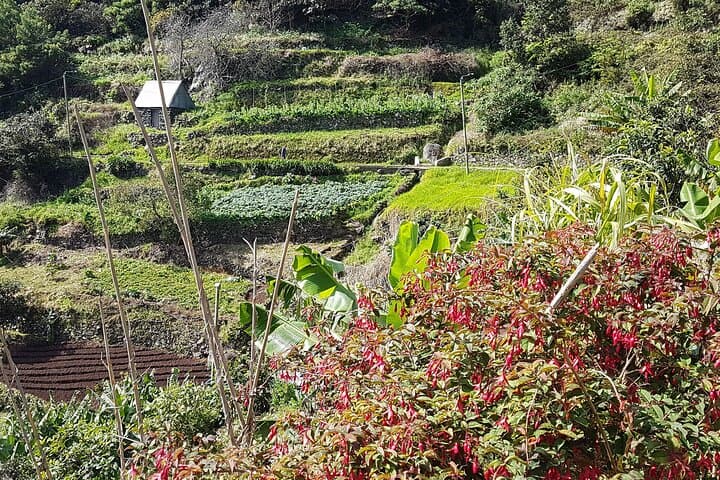
You step out onto a narrow track and the levada becomes a line that pulls the landscape toward the sea. The Maroços levada skirts the floor of Machico’s Mimosa Valley, cutting along agricultural terraces and offering a steady rhythm of earth, stone and rushing gullies as the Bay of Machico opens below.
You step out onto a narrow track and the levada becomes a line that pulls the landscape toward the sea. The Maroços levada skirts the floor of Machico’s Mimosa Valley, cutting along agricultural terraces and offering a steady rhythm of earth, stone and rushing gullies as the Bay of Machico opens below.
The route follows a 6 km section of historic irrigation channels built to carry mountain water to the cultivated Poios Madeirenses. Madeira’s origins are volcanic; the valley walls are steep basalt and old lahar deposits shaped by centuries of rainfall, while terraced fields record a farming culture that dates back to the island’s 15th-century settlement by Tristão Vaz Teixeira and João Gonçalves Zarco.
Expect close-up encounters with local life—small fruit stalls, patchwork terraces, and shepherd dogs more curious than aggressive. The path is mostly flat but can be narrow, with occasional wet patches and loose stones where runoff collects. Weather changes fast; winds off the Atlantic can cool an otherwise warm morning.
Practical guidance: allow about four hours door-to-door for transport and the walk itself; actual walking is roughly 2–3 hours at a relaxed pace. Wear sturdy trail shoes with good grip, bring 1–2 liters of water, sun protection, and a light waterproof layer. Start early for softer light and fewer people, and step carefully on single-track sections. Respect private agricultural plots and buy local fruit if offered—the route supports small mountain farmers and rewards those who travel thoughtfully.