THE ADVENTURE COLLECTIVE® · Independent discovery and booking for outdoor travel

Walk bustling market arcades, choose fresh seafood at Makishi Market, and tour the solemn Former Japanese Navy Underground Headquarters before finishing at rugged coastal cliffs and tide pools. This half‑day blends Okinawa’s food culture, wartime history, and dramatic shorelines into one accessible outing.
Walk bustling market arcades, choose fresh seafood at Makishi Market, and tour the solemn Former Japanese Navy Underground Headquarters before finishing at rugged coastal cliffs and tide pools. This half‑day blends Okinawa’s food culture, wartime history, and dramatic shorelines into one accessible outing.
You step out of an air‑conditioned people carrier into the warm, salty air of Naha—lanes full of vendors, the clang of knives on cutting boards, and the ocean always at the edge of hearing. The morning pours through Heiwa Dori’s covered arcade: lanterns, preserved storefronts, and the bright chaos of Makishi Market where fish glisten under fluorescent light and vendors call you closer.
Verified experiences and guided adventures in the surrounding area.
Operated by Things To Do In Okinawa · Naha, Okinawa Prefecture
You step out of an air‑conditioned people carrier into the warm, salty air of Naha—lanes full of vendors, the clang of knives on cutting boards, and the ocean always at the edge of hearing. The morning pours through Heiwa Dori’s covered arcade: lanterns, preserved storefronts, and the bright chaos of Makishi Market where fish glisten under fluorescent light and vendors call you closer.
This loop of city, wartime memory, and coastline traces Okinawa’s layered story. In 1944 crews hand‑dug the Former Japanese Navy Underground Headquarters; inside, low concrete corridors still hold the hush of history and the weight of the Battle of Okinawa. The coastline sections cut into Ryukyu limestone—limestone benches and sharp cliffs like Giza Banta—tell a geological story of coral uplift, then erosion by a relentless sea that dares you to look over the edge.
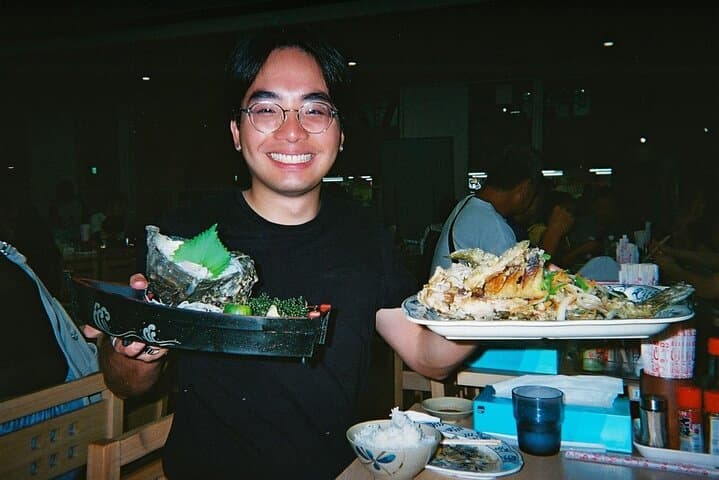
Local culture is present in small acts: the way a vendor plates goya champuru, the ritual of choosing a fish and having it grilled upstairs, and the guide who explains labels on wartime exhibits with quiet detail.
Practical guidance: the tour is mostly easy walking but expect uneven surfaces in tunnels and tide pools; non‑slip boots are supplied for coastal areas. Bring cash for market purchases, sunscreen and a hat for cliffside wind, and comfortable shoes for stairs and wet rock. Be respectful at memorial sites, and leave tide pools as you found them—small hands and soft boots protect fragile sea life. With a bilingual guide and private return transport, this half‑day packs culture, history, and coastal panoramas into a focused, accessible experience.
easy.
5–6 hours.
Light walking and standing for up to several hours; suitable for most fitness levels with basic mobility.
Yes—at Makishi Market you can select fresh fish downstairs and many stalls or upstairs eateries will grill or prepare it to your preference for an additional fee.
The Former Japanese Navy Underground Headquarters includes narrow, uneven passages and stairs; it may be challenging for visitors with significant mobility limitations—contact the operator for specifics.
Private return transport is included; the tour typically offers pickup and drop‑off within central Naha—confirm your hotel location at booking.
Wear shoes with good grip or water shoes for tide pools; a light layer for wind and sun protection is advised, and non‑slip boots are provided when needed.
Okinawa’s underground headquarters are physical reminders of the 1945 Battle of Okinawa; the island’s wartime sites preserve stories of civilian and military experiences.
Tide pools and reef flats are ecologically sensitive—avoid collecting organisms and tread lightly; prefer sustainably sourced seafood and support local vendors.
Things To Do In Okinawa operates guided outdoor trips and adventures with an emphasis on safety, stewardship, and memorable experiences.
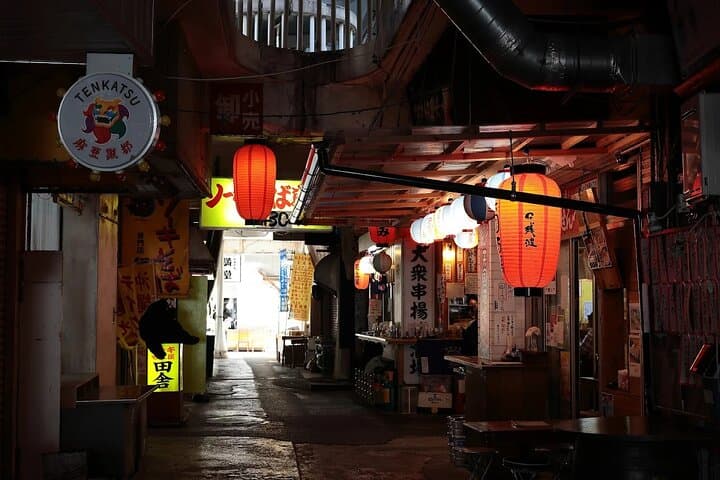
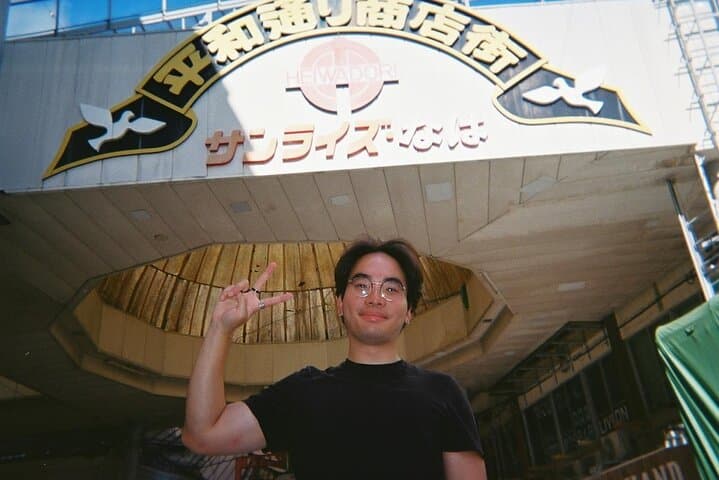
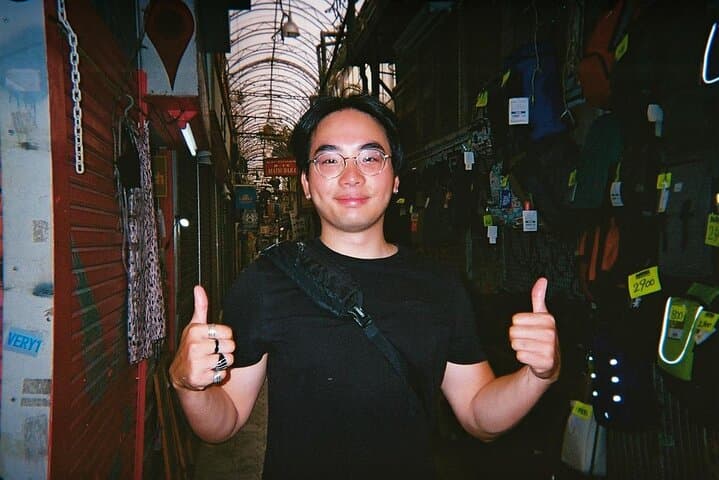
You step out of an air‑conditioned people carrier into the warm, salty air of Naha—lanes full of vendors, the clang of knives on cutting boards, and the ocean always at the edge of hearing. The morning pours through Heiwa Dori’s covered arcade: lanterns, preserved storefronts, and the bright chaos of Makishi Market where fish glisten under fluorescent light and vendors call you closer.
You step out of an air‑conditioned people carrier into the warm, salty air of Naha—lanes full of vendors, the clang of knives on cutting boards, and the ocean always at the edge of hearing. The morning pours through Heiwa Dori’s covered arcade: lanterns, preserved storefronts, and the bright chaos of Makishi Market where fish glisten under fluorescent light and vendors call you closer.
This loop of city, wartime memory, and coastline traces Okinawa’s layered story. In 1944 crews hand‑dug the Former Japanese Navy Underground Headquarters; inside, low concrete corridors still hold the hush of history and the weight of the Battle of Okinawa. The coastline sections cut into Ryukyu limestone—limestone benches and sharp cliffs like Giza Banta—tell a geological story of coral uplift, then erosion by a relentless sea that dares you to look over the edge.
Local culture is present in small acts: the way a vendor plates goya champuru, the ritual of choosing a fish and having it grilled upstairs, and the guide who explains labels on wartime exhibits with quiet detail.
Practical guidance: the tour is mostly easy walking but expect uneven surfaces in tunnels and tide pools; non‑slip boots are supplied for coastal areas. Bring cash for market purchases, sunscreen and a hat for cliffside wind, and comfortable shoes for stairs and wet rock. Be respectful at memorial sites, and leave tide pools as you found them—small hands and soft boots protect fragile sea life. With a bilingual guide and private return transport, this half‑day packs culture, history, and coastal panoramas into a focused, accessible experience.