THE ADVENTURE COLLECTIVE® · Independent discovery and booking for outdoor travel

Walk through Palermo’s oldest markets and grand monuments on a three‑hour guided tour that mixes street food, architecture and local history. Navigate vibrant markets, see Teatro Massimo and the Arab‑Norman Cathedral, and learn practical tips for enjoying the city on foot.
Walk through Palermo’s oldest markets and grand monuments on a three‑hour guided tour that mixes street food, architecture and local history. Navigate vibrant markets, see Teatro Massimo and the Arab‑Norman Cathedral, and learn practical tips for enjoying the city on foot.
The cobblestones glint under a pale Mediterranean sun as you step out from the bookshop on Via Maqueda and into a living, breathing center of Palermo.
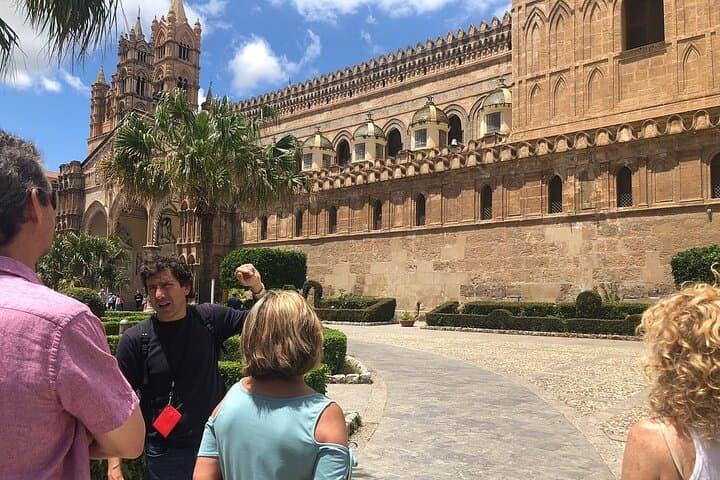
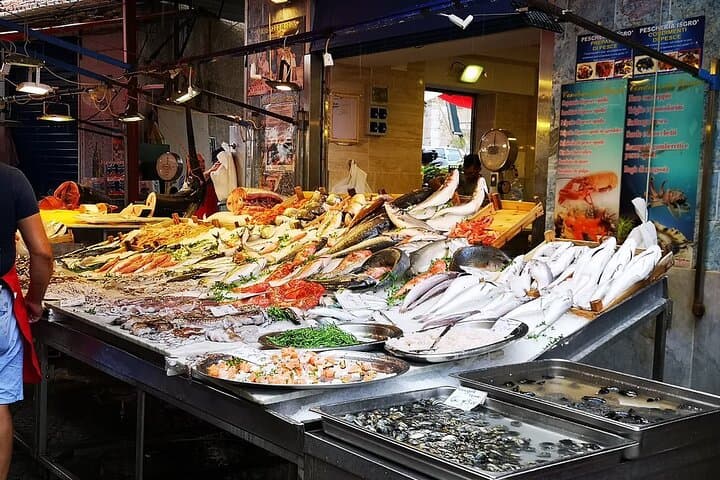
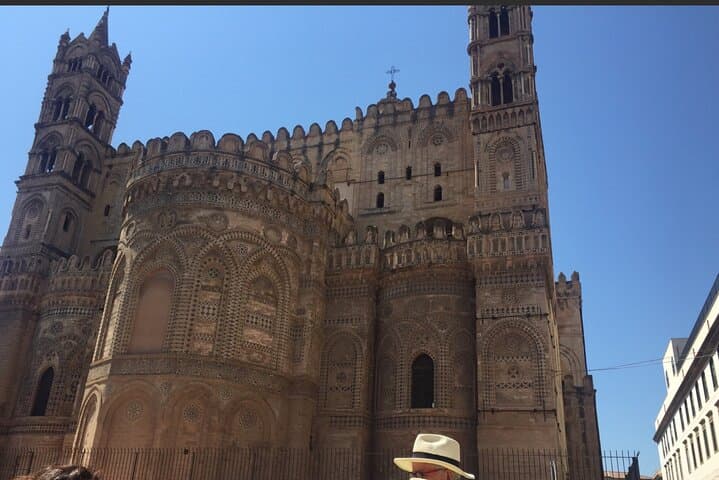
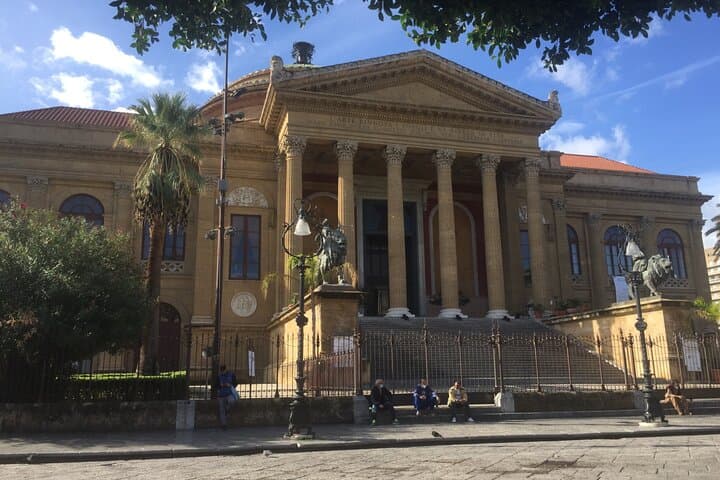
Stalls spill fruit and fish onto sidewalks, citrus perfume and frying oil mingle, and the guide threads history into the present—each square a layer of the city’s past. You move from Teatro Massimo’s grand façade through the knot of Baroque streets to the Arab‑Norman Cathedral, its layered architecture laid bare like pages of a long book.
Palermo’s streets are geological and cultural palimpsests: limestone and volcanic tuff beneath your feet, Phoenician traders, Arab craftsmen, Norman kings and later Spanish influences have all left marks. Markets such as Ballarò and the Vucciria evolved as social hubs where food, gossip and politics meet; the nuns of Martorana left Palermo a sweet legacy in frutta di Martorana marzipan.
Expect close quarters, vibrant colors, and spots of silence inside decorated churches and quiet fountains like Piazza Pretoria’s haunting stone figures. Practicalities: the three‑hour route covers roughly 3–4 km with frequent stops, mostly flat but with uneven paving and steps inside monuments. Bring small bills for stall purchases, modest clothing for church interiors, and a sense of patience for crowds—especially if you’re coming from the nearby cruise port.
Plan your walk for morning or late afternoon to dodge midday heat, wear supportive shoes, and leave room in your schedule to return to a stall that called your name—Palermo rewards curiosity.
Verified experiences and guided adventures in the surrounding area.
Operated by Cavallaro Fabrizio · Palermo, Sicily
The cobblestones glint under a pale Mediterranean sun as you step out from the bookshop on Via Maqueda and into a living, breathing center of Palermo.
Stalls spill fruit and fish onto sidewalks, citrus perfume and frying oil mingle, and the guide threads history into the present—each square a layer of the city’s past. You move from Teatro Massimo’s grand façade through the knot of Baroque streets to the Arab‑Norman Cathedral, its layered architecture laid bare like pages of a long book.
Palermo’s streets are geological and cultural palimpsests: limestone and volcanic tuff beneath your feet, Phoenician traders, Arab craftsmen, Norman kings and later Spanish influences have all left marks. Markets such as Ballarò and the Vucciria evolved as social hubs where food, gossip and politics meet; the nuns of Martorana left Palermo a sweet legacy in frutta di Martorana marzipan.
Expect close quarters, vibrant colors, and spots of silence inside decorated churches and quiet fountains like Piazza Pretoria’s haunting stone figures. Practicalities: the three‑hour route covers roughly 3–4 km with frequent stops, mostly flat but with uneven paving and steps inside monuments. Bring small bills for stall purchases, modest clothing for church interiors, and a sense of patience for crowds—especially if you’re coming from the nearby cruise port.
Plan your walk for morning or late afternoon to dodge midday heat, wear supportive shoes, and leave room in your schedule to return to a stall that called your name—Palermo rewards curiosity.
easy.
3 hours.
Suitable for most fitness levels; requires ability to walk 3–4 km on uneven pavement and climb a few short sets of steps.
Yes — there’s a specific meeting point for cruise passengers at the terminal; the tour duration and end point are arranged to connect with port schedules.
Most stops are viewed from outside and some interiors are visited; admission inclusion varies, so check the booking details or bring cash for entry fees if applicable.
The provider lists wheelchair accessibility, but some historic interiors and streets can be narrow or uneven—contact the operator ahead to confirm specifics.
Language options depend on bookings; the tour listing typically provides guide language details at time of purchase—confirm when booking.
Palermo’s historic center reflects centuries of Arab‑Norman and later Spanish rule; several monuments form part of the Arab‑Norman Palermo UNESCO World Heritage sites.
High foot traffic stresses fragile historic fabric and waste systems; support small local vendors, avoid single‑use plastics when possible, and stick to marked paths to protect monuments.
Cavallaro Fabrizio operates guided outdoor trips and adventures with an emphasis on safety, stewardship, and memorable experiences.
The cobblestones glint under a pale Mediterranean sun as you step out from the bookshop on Via Maqueda and into a living, breathing center of Palermo.
Stalls spill fruit and fish onto sidewalks, citrus perfume and frying oil mingle, and the guide threads history into the present—each square a layer of the city’s past. You move from Teatro Massimo’s grand façade through the knot of Baroque streets to the Arab‑Norman Cathedral, its layered architecture laid bare like pages of a long book.
Palermo’s streets are geological and cultural palimpsests: limestone and volcanic tuff beneath your feet, Phoenician traders, Arab craftsmen, Norman kings and later Spanish influences have all left marks. Markets such as Ballarò and the Vucciria evolved as social hubs where food, gossip and politics meet; the nuns of Martorana left Palermo a sweet legacy in frutta di Martorana marzipan.
Expect close quarters, vibrant colors, and spots of silence inside decorated churches and quiet fountains like Piazza Pretoria’s haunting stone figures. Practicalities: the three‑hour route covers roughly 3–4 km with frequent stops, mostly flat but with uneven paving and steps inside monuments. Bring small bills for stall purchases, modest clothing for church interiors, and a sense of patience for crowds—especially if you’re coming from the nearby cruise port.
Plan your walk for morning or late afternoon to dodge midday heat, wear supportive shoes, and leave room in your schedule to return to a stall that called your name—Palermo rewards curiosity.
The cobblestones glint under a pale Mediterranean sun as you step out from the bookshop on Via Maqueda and into a living, breathing center of Palermo.
Stalls spill fruit and fish onto sidewalks, citrus perfume and frying oil mingle, and the guide threads history into the present—each square a layer of the city’s past. You move from Teatro Massimo’s grand façade through the knot of Baroque streets to the Arab‑Norman Cathedral, its layered architecture laid bare like pages of a long book.
Palermo’s streets are geological and cultural palimpsests: limestone and volcanic tuff beneath your feet, Phoenician traders, Arab craftsmen, Norman kings and later Spanish influences have all left marks. Markets such as Ballarò and the Vucciria evolved as social hubs where food, gossip and politics meet; the nuns of Martorana left Palermo a sweet legacy in frutta di Martorana marzipan.
Expect close quarters, vibrant colors, and spots of silence inside decorated churches and quiet fountains like Piazza Pretoria’s haunting stone figures. Practicalities: the three‑hour route covers roughly 3–4 km with frequent stops, mostly flat but with uneven paving and steps inside monuments. Bring small bills for stall purchases, modest clothing for church interiors, and a sense of patience for crowds—especially if you’re coming from the nearby cruise port.
Plan your walk for morning or late afternoon to dodge midday heat, wear supportive shoes, and leave room in your schedule to return to a stall that called your name—Palermo rewards curiosity.