THE ADVENTURE COLLECTIVE® · Independent discovery and booking for outdoor travel

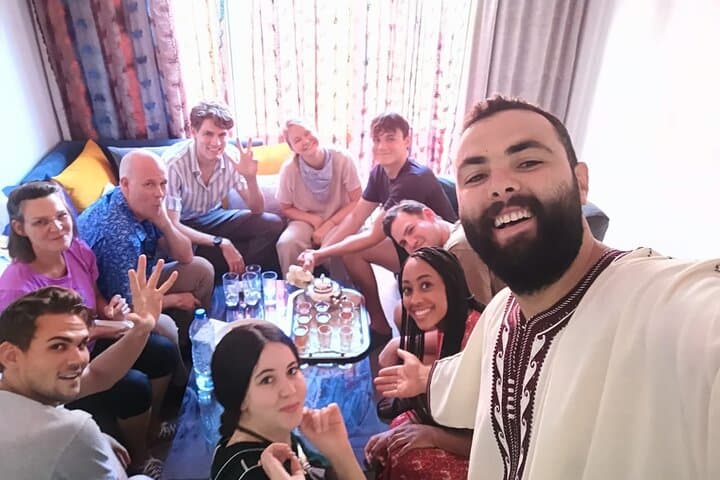
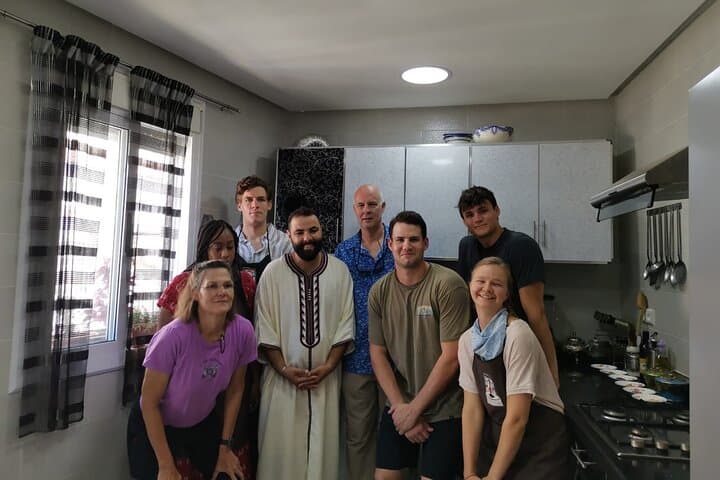
Shop the local market with a chef, then cook and eat a three-course Moroccan meal in a family house in Chefchaouen. This hands-on class blends food history, practical technique and local hospitality in about three hours.
Shop the local market with a chef, then cook and eat a three-course Moroccan meal in a family house in Chefchaouen. This hands-on class blends food history, practical technique and local hospitality in about three hours.
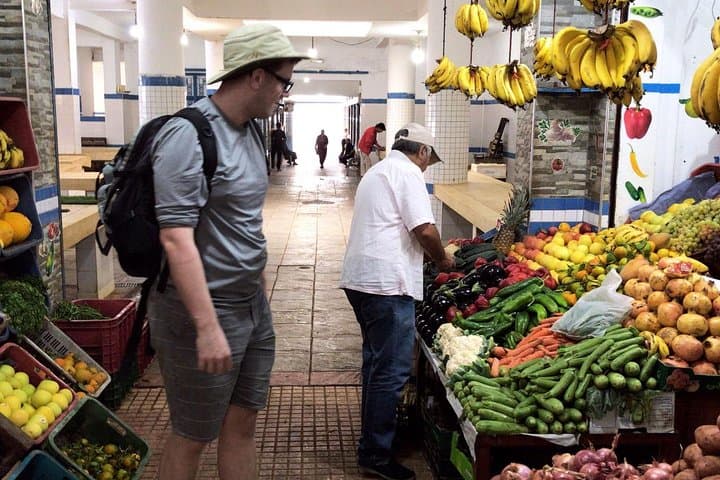
Step off the blue-washed alleys of Chefchaouen and into a morning of color, spice and street-side bargaining. The class begins at a local produce market where vendors call out ripe olives, fragrant herbs and stacked citrus — this is where the meal announces itself before a knife is drawn.
Verified experiences and guided adventures in the surrounding area.
Operated by Moroccan Food Tour · Chefchaouen, Tanger-Tetouan-Al Hoceima
Step off the blue-washed alleys of Chefchaouen and into a morning of color, spice and street-side bargaining. The class begins at a local produce market where vendors call out ripe olives, fragrant herbs and stacked citrus — this is where the meal announces itself before a knife is drawn.
Chefchaouen sits on the Rif Mountains’ southern slopes, a town shaped by Andalusian refugees and Berber tradition; its food reflects that mixture: preserved lemons and cumin join mountain-grown vegetables and slow-simmered tagines. Geology matters here too — terraced gardens and rocky slopes influence what’s fresh and when, and small-holder agriculture defines seasonal menus.
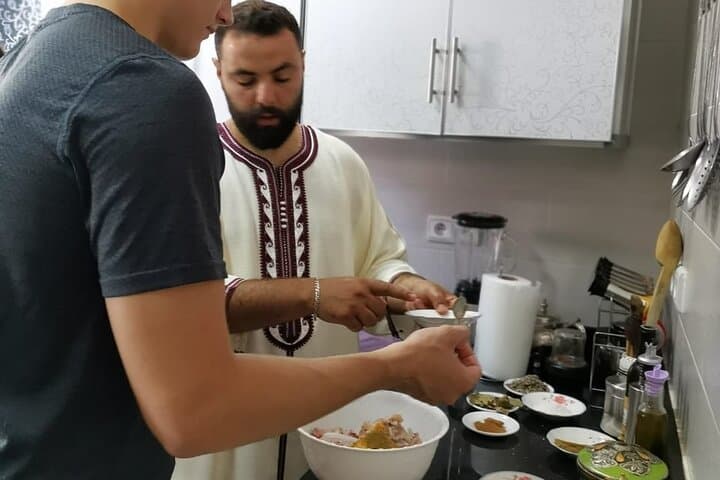
The experience moves from market to a family house kitchen. Expect hands-on technique: layering spices, building a tagine’s base, and timing couscous and stews so everything finishes together. Conversation often drifts to recipes as family lore — why preserved lemon is used, or how mint tea marks the end of a meal.
Practical guidance: arrive with comfortable shoes for uneven market cobbles and an appetite for standing and chopping. Portions are generous; dietary options (vegetarian) are available if noted in advance. The class runs about three hours and includes a three-course lunch and mint tea. Bring a small notebook for recipes, and plan for a short walk back through the medina when you’re done — the light off the blue walls makes a perfect backdrop for photos.
This is a cultural exchange as much as a cooking class: expect laughter, demonstration, and the kind of practical tips that you can recreate at home.
easy.
3 hours.
Light activity—comfortable standing and basic chopping; suitable for most fitness levels
Yes — hosts ask about preferences and can focus on vegetarian dishes like vegetable tagines and salads if notified in advance.
Shared classes are small, typically up to 10 people, allowing hands-on attention from the chef.
No — all ingredients and kitchen tools are provided; you only need your personal items and any dietary notes.
Accessibility in medina markets and traditional houses is limited; contact the operator ahead to discuss specific needs.
Chefchaouen’s cuisine reflects Andalusian and Berber influences; preserved lemons and slow-cooked tagines grew from household traditions tied to the town’s mountain agriculture.
Shop from local vendors and avoid single-use plastics; many small producers rely on sustainable, seasonal harvests and benefit from direct tourist support.
Moroccan Food Tour operates guided outdoor trips and adventures with an emphasis on safety, stewardship, and memorable experiences.
Step off the blue-washed alleys of Chefchaouen and into a morning of color, spice and street-side bargaining. The class begins at a local produce market where vendors call out ripe olives, fragrant herbs and stacked citrus — this is where the meal announces itself before a knife is drawn.
Step off the blue-washed alleys of Chefchaouen and into a morning of color, spice and street-side bargaining. The class begins at a local produce market where vendors call out ripe olives, fragrant herbs and stacked citrus — this is where the meal announces itself before a knife is drawn.
Chefchaouen sits on the Rif Mountains’ southern slopes, a town shaped by Andalusian refugees and Berber tradition; its food reflects that mixture: preserved lemons and cumin join mountain-grown vegetables and slow-simmered tagines. Geology matters here too — terraced gardens and rocky slopes influence what’s fresh and when, and small-holder agriculture defines seasonal menus.
The experience moves from market to a family house kitchen. Expect hands-on technique: layering spices, building a tagine’s base, and timing couscous and stews so everything finishes together. Conversation often drifts to recipes as family lore — why preserved lemon is used, or how mint tea marks the end of a meal.
Practical guidance: arrive with comfortable shoes for uneven market cobbles and an appetite for standing and chopping. Portions are generous; dietary options (vegetarian) are available if noted in advance. The class runs about three hours and includes a three-course lunch and mint tea. Bring a small notebook for recipes, and plan for a short walk back through the medina when you’re done — the light off the blue walls makes a perfect backdrop for photos.
This is a cultural exchange as much as a cooking class: expect laughter, demonstration, and the kind of practical tips that you can recreate at home.