THE ADVENTURE COLLECTIVE® · Independent discovery and booking for outdoor travel

Spend a day sourcing produce at a Beijing wet market, learning to make dumplings and steamed buns from scratch, then swap the wok for a badminton court and an easy lakeside stroll. This market-to-table cultural combo mixes hands-on cooking with active local life.
Spend a day sourcing produce at a Beijing wet market, learning to make dumplings and steamed buns from scratch, then swap the wok for a badminton court and an easy lakeside stroll. This market-to-table cultural combo mixes hands-on cooking with active local life.
You meet your guide at a hotel lobby, then leave the city's concrete hum behind for a morning that begins at a wet market. Stalls call out with scallions, napa cabbage and pork as vendors weigh handfuls of ingredients; the air smells of fresh dough and frying oil. By midmorning the class stretches long wooden tables across a home-style kitchen where you learn to roll, fold and pan-fry dumplings, steam buns and turn noodles from flour into something immediate and warm.
Verified experiences and guided adventures in the surrounding area.
Operated by Sunflower Tours China · Beijing, Beijing
You meet your guide at a hotel lobby, then leave the city's concrete hum behind for a morning that begins at a wet market. Stalls call out with scallions, napa cabbage and pork as vendors weigh handfuls of ingredients; the air smells of fresh dough and frying oil. By midmorning the class stretches long wooden tables across a home-style kitchen where you learn to roll, fold and pan-fry dumplings, steam buns and turn noodles from flour into something immediate and warm.
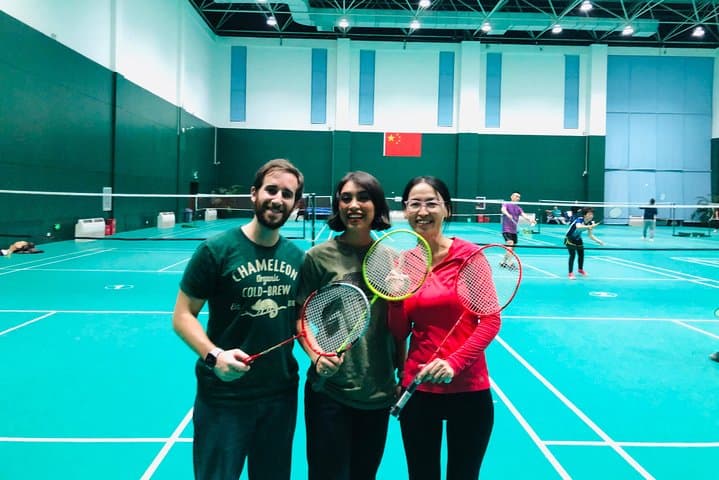
Culinary skills here are also cultural lessons: dumplings have been a northern Chinese staple for centuries, made for festivals and family gatherings, and wet markets remain the backbone of daily produce distribution in Beijing’s outskirts. After lunch, a local gymnasium offers a different kind of pulse — badminton, a national pastime in China, where shuttlecocks fly and locals show quick-footed rallies. The day can close with a reflective walk along Big Swan Lake, whose reed-fringed shores ease you back into the city.
Practicalities: expect a full-day outing — about 1.5 hours each way from central Beijing to the host kitchen, hands-on instruction, a shared meal and light-to-moderate activity including walking and court play. The operator provides hotel pickup and drop-off; vegetarian options are available. Not recommended for guests with serious spinal or heart conditions or for pregnant travelers. Wear comfortable walking shoes, bring a water bottle, and come ready to knead, listen and try local flavors — you’ll leave with recipe cards and a clearer sense of how food and sport shape daily life in Beijing.
moderate.
10 hours.
You should be comfortable standing and walking for several hours and able to play light-to-moderate badminton; basic stamina required.
Yes — hotel pickup and drop-off are included; expect roughly 1.5 hours each way from central Beijing to the host kitchen.
Vegetarian options are available; notify the operator in advance for other allergies or restrictions.
The experience typically includes market visit, hands-on cooking instruction, lunch, badminton session, gym fee and guide/driver services; taxi or subway fares may be noted for optional segments.
Children may join but must be accompanied by an adult; the day can involve 10,000–20,000 steps and active play, so consider age and stamina.
Dumplings are a northern Chinese staple with centuries of domestic history, while badminton grew into a popular mass sport in China during the 20th century.
Support local markets by minimizing single-use packaging and buying only what you’ll use; follow leave-no-trace practices around Big Swan Lake.
Sunflower Tours China operates guided outdoor trips and adventures with an emphasis on safety, stewardship, and memorable experiences.
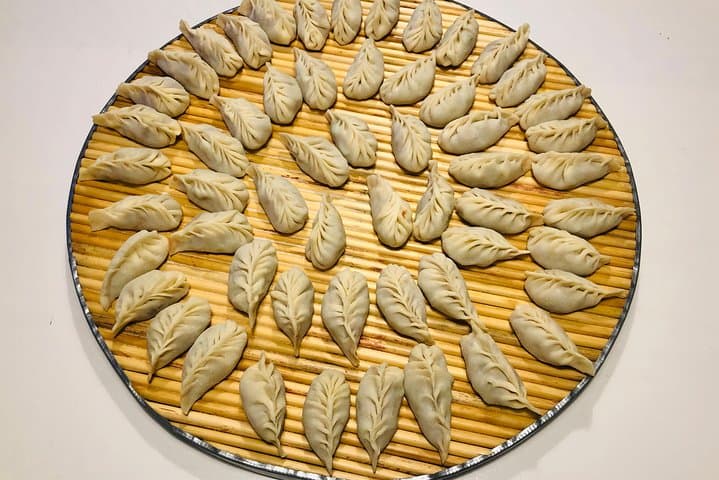
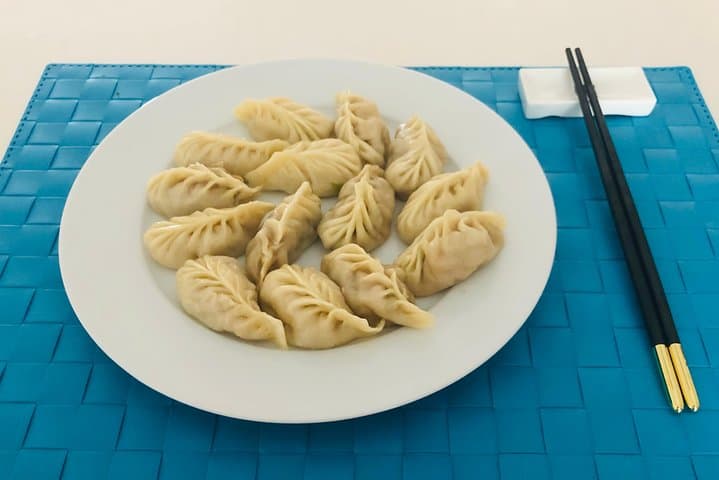
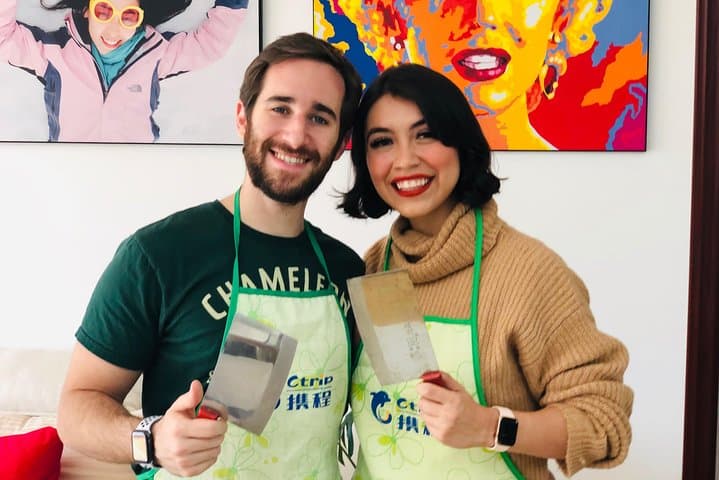
You meet your guide at a hotel lobby, then leave the city's concrete hum behind for a morning that begins at a wet market. Stalls call out with scallions, napa cabbage and pork as vendors weigh handfuls of ingredients; the air smells of fresh dough and frying oil. By midmorning the class stretches long wooden tables across a home-style kitchen where you learn to roll, fold and pan-fry dumplings, steam buns and turn noodles from flour into something immediate and warm.
You meet your guide at a hotel lobby, then leave the city's concrete hum behind for a morning that begins at a wet market. Stalls call out with scallions, napa cabbage and pork as vendors weigh handfuls of ingredients; the air smells of fresh dough and frying oil. By midmorning the class stretches long wooden tables across a home-style kitchen where you learn to roll, fold and pan-fry dumplings, steam buns and turn noodles from flour into something immediate and warm.
Culinary skills here are also cultural lessons: dumplings have been a northern Chinese staple for centuries, made for festivals and family gatherings, and wet markets remain the backbone of daily produce distribution in Beijing’s outskirts. After lunch, a local gymnasium offers a different kind of pulse — badminton, a national pastime in China, where shuttlecocks fly and locals show quick-footed rallies. The day can close with a reflective walk along Big Swan Lake, whose reed-fringed shores ease you back into the city.
Practicalities: expect a full-day outing — about 1.5 hours each way from central Beijing to the host kitchen, hands-on instruction, a shared meal and light-to-moderate activity including walking and court play. The operator provides hotel pickup and drop-off; vegetarian options are available. Not recommended for guests with serious spinal or heart conditions or for pregnant travelers. Wear comfortable walking shoes, bring a water bottle, and come ready to knead, listen and try local flavors — you’ll leave with recipe cards and a clearer sense of how food and sport shape daily life in Beijing.