THE ADVENTURE COLLECTIVE® · Independent discovery and booking for outdoor travel

Shop a Marrakech souk, cook with a local chef in a riad kitchen, and share the meal you create. This 2–4 hour private workshop combines market navigation, hands-on technique, and Moroccan tea for a practical cultural immersion.
Shop a Marrakech souk, cook with a local chef in a riad kitchen, and share the meal you create. This 2–4 hour private workshop combines market navigation, hands-on technique, and Moroccan tea for a practical cultural immersion.
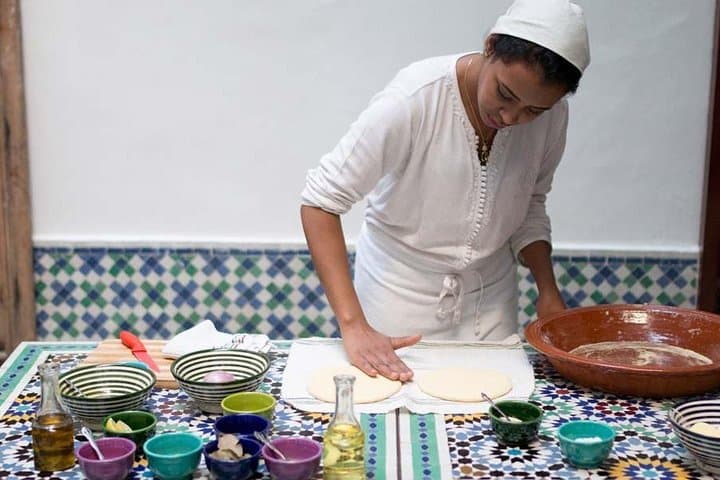
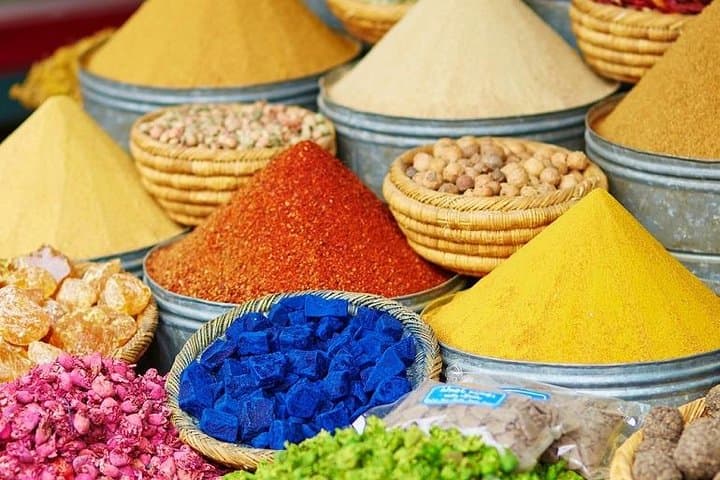
The afternoon begins in the crush of a Marrakech market: citrus and preserved lemons puncture the air, sacks of cumin and ras el hanout tilt like small, fragrant hills, and your guide negotiates the textures and names you’ll need for the day. From there the group slips into a riad kitchen where light spills over tiled counters and a professional local chef walks through techniques—knife work, layering spices, and managing the tagine’s gentle heat.
Verified experiences and guided adventures in the surrounding area.
Operated by Morocco Tours Services · Marrakech, Marrakech-Safi
The afternoon begins in the crush of a Marrakech market: citrus and preserved lemons puncture the air, sacks of cumin and ras el hanout tilt like small, fragrant hills, and your guide negotiates the textures and names you’ll need for the day. From there the group slips into a riad kitchen where light spills over tiled counters and a professional local chef walks through techniques—knife work, layering spices, and managing the tagine’s gentle heat.
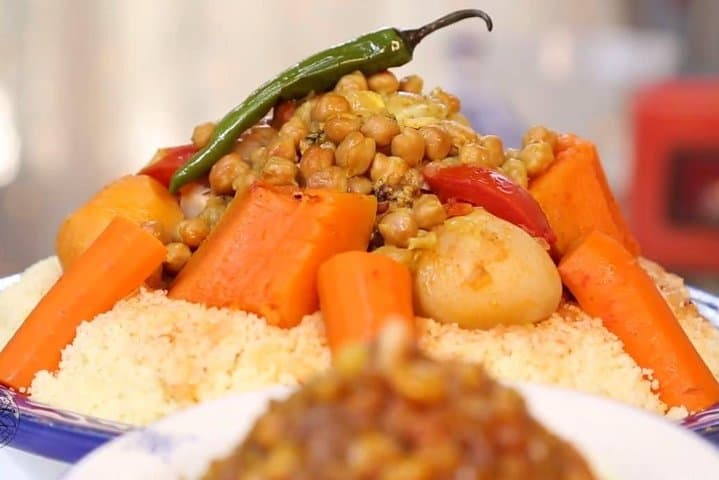
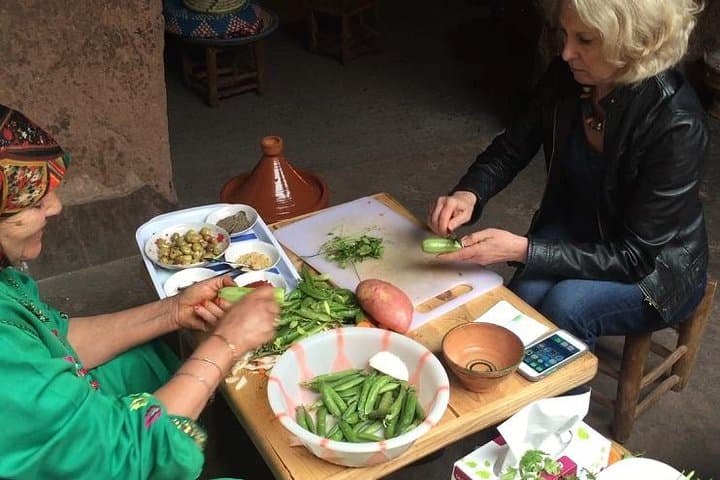
Marrakech’s culinary lineages blend Arab, Berber and Andalusian influences; the riad kitchen itself is part of that story, where family and guest culture merge. This class usually includes a short market visit (Souk Isaak is often the stop), hands-on prep of two starters, a main and dessert, and a communal tea service to close the meal. The experience is equal parts practical instruction and cultural exchange: expect demonstrations of preserved lemon use, the mechanics of slow-cooked lamb, and the social rhythms of sharing plates.
Practical guidance: allow 2–4 hours, arrive hungry and with dietary notes, and rely on the included pickup from most central riads. Wear comfortable, closed-toe shoes for market walking and bring a small bag for purchases. If you want recipes to travel, ask for the signed cookbook and certificate offered at the end.
Timing matters—late-morning market runs give the best selection of vegetables, while afternoon classes suit travelers who want a relaxed dinner. For first-time visitors, the class is an efficient, respectful way to taste Moroccan technique while supporting local cooks.
easy.
2–4 hours.
Minimal fitness required; you should be comfortable standing and walking short distances in markets.
Yes — pickup and drop-off from most central riads and hotels in Marrakech are included in the booking.
Yes — the operator notes vegetarian-friendly options and can usually adapt recipes for common allergies if notified during booking.
Professional instructors commonly speak English, French, and Spanish; confirm your preferred language when booking.
Participants typically receive a signed cookbook or written recipes and a certificate at the end of the workshop.
Marrakech cuisine reflects centuries of Berber, Arab and Andalusian influences; riads evolved as inward-facing homes where food and hospitality are central to social life.
Support small local cooks and markets to keep food traditions alive; minimize waste by buying only what you’ll use and accepting leftovers respectfully.
Morocco Tours Services operates guided outdoor trips and adventures with an emphasis on safety, stewardship, and memorable experiences.
The afternoon begins in the crush of a Marrakech market: citrus and preserved lemons puncture the air, sacks of cumin and ras el hanout tilt like small, fragrant hills, and your guide negotiates the textures and names you’ll need for the day. From there the group slips into a riad kitchen where light spills over tiled counters and a professional local chef walks through techniques—knife work, layering spices, and managing the tagine’s gentle heat.
The afternoon begins in the crush of a Marrakech market: citrus and preserved lemons puncture the air, sacks of cumin and ras el hanout tilt like small, fragrant hills, and your guide negotiates the textures and names you’ll need for the day. From there the group slips into a riad kitchen where light spills over tiled counters and a professional local chef walks through techniques—knife work, layering spices, and managing the tagine’s gentle heat.
Marrakech’s culinary lineages blend Arab, Berber and Andalusian influences; the riad kitchen itself is part of that story, where family and guest culture merge. This class usually includes a short market visit (Souk Isaak is often the stop), hands-on prep of two starters, a main and dessert, and a communal tea service to close the meal. The experience is equal parts practical instruction and cultural exchange: expect demonstrations of preserved lemon use, the mechanics of slow-cooked lamb, and the social rhythms of sharing plates.
Practical guidance: allow 2–4 hours, arrive hungry and with dietary notes, and rely on the included pickup from most central riads. Wear comfortable, closed-toe shoes for market walking and bring a small bag for purchases. If you want recipes to travel, ask for the signed cookbook and certificate offered at the end.
Timing matters—late-morning market runs give the best selection of vegetables, while afternoon classes suit travelers who want a relaxed dinner. For first-time visitors, the class is an efficient, respectful way to taste Moroccan technique while supporting local cooks.