THE ADVENTURE COLLECTIVE® · Independent discovery and booking for outdoor travel

Ride a tuk-tuk into Prannok Market, pick herbs and spices with a chef, then return to a sunlit kitchen near Wat Arun to make Pad Thai, curry paste, Tom Yum and mango sticky rice. This hands-on class blends market culture with practical cooking skills in about three hours.
Ride a tuk-tuk into Prannok Market, pick herbs and spices with a chef, then return to a sunlit kitchen near Wat Arun to make Pad Thai, curry paste, Tom Yum and mango sticky rice. This hands-on class blends market culture with practical cooking skills in about three hours.
The morning opens on a narrow street as a tuk-tuk horn scats through the air and the Chao Phraya river pulls the city toward itself. You bounce past wooden shophouses until Prannok Market flares into color—piles of galangal and kaffir leaves, sacks of chilies that smell like sunlight, and fishmongers calling across narrow aisles. The chef steers you through stalls, teaching how to read freshness the way a photographer reads light: by touch and smell.
Verified experiences and guided adventures in the surrounding area.
Operated by Oh-Hoo · Bangkok, Bangkok
The morning opens on a narrow street as a tuk-tuk horn scats through the air and the Chao Phraya river pulls the city toward itself. You bounce past wooden shophouses until Prannok Market flares into color—piles of galangal and kaffir leaves, sacks of chilies that smell like sunlight, and fishmongers calling across narrow aisles. The chef steers you through stalls, teaching how to read freshness the way a photographer reads light: by touch and smell.
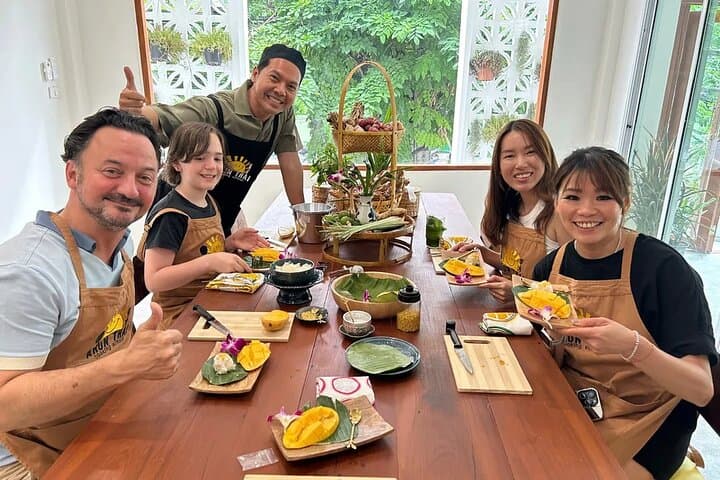
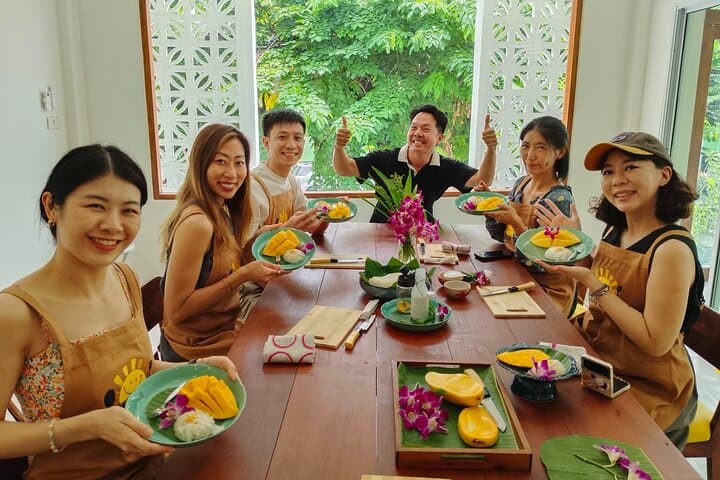
Prannok has long supplied riverside communities and temple kitchens; its stalls sit on alluvial ground shaped by the river’s seasonal rise and fall. Back near Wat Arun, the workshop kitchen sits bright and practical, sun slanting across ceramic bowls while the chef explains the histories behind Tom Yum, Massaman and sticky mango rice—dishes that trace trade routes, colonial influences and local innovations.
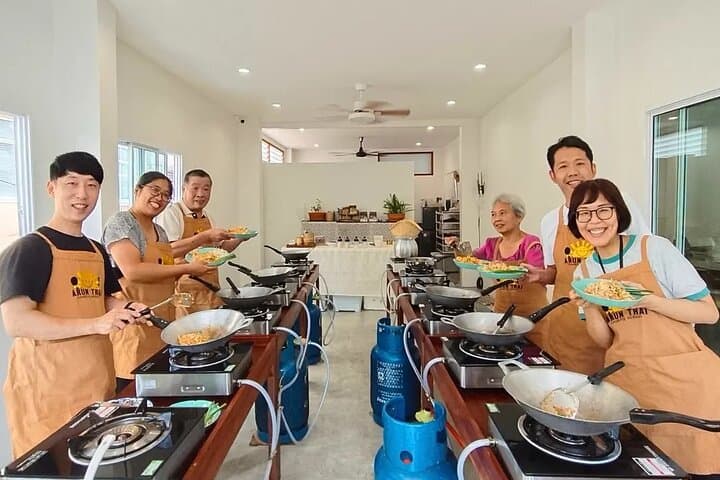
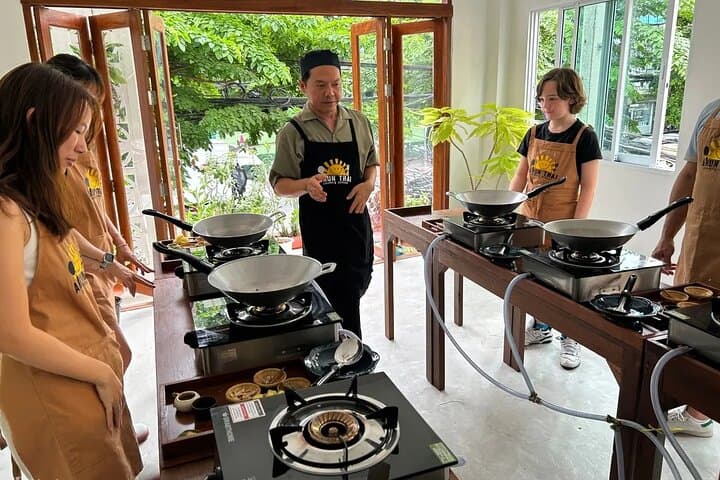
The class moves at market pace: selecting ingredients, pounding curry paste, and learning heat control over gas burners. Expect hands-on stations, clear recipes to take home, and adjustments for vegetarians or allergies. The tuk-tuk transfer gives a quick urban vignette—a reminder that Bangkok’s food scene is public theater as much as craft.
Practical guide: arrive with a light breakfast, wear closed-toe shoes for the kitchen, and flag dietary needs in advance. Morning sessions are cooler; afternoons catch late light. Bring a small reusable bag for market finds and a charged phone for photos. This combination market tour and cookery lesson is sensory, efficient, and rooted in local rhythms—ideal for travelers wanting technique and context in a compact, three-hour package.
easy.
3 hours.
Light activity; comfortable standing and short walks in market aisles; suitable for most fitness levels.
Yes—vegetarian and other dietary restrictions can be accommodated if you inform the school in advance.
The tuk-tuk segment is short—typically 10–20 minutes depending on traffic; it’s meant as a local transport experience rather than a long transfer.
Children aged 6+ may join; those under 10 must be accompanied by a parent or guardian and stations are adjustable for kids.
Yes—a recipe booklet is provided so you can recreate the four dishes after the class.
Prannok Market is a longstanding riverside market that has served local communities and temple kitchens for generations; Wat Arun nearby has roots in the Ayutthaya era with major renovations in the 19th century.
Minimize single-use plastics when shopping and dispose of food waste responsibly; support small vendors who rely on sustainable local supply chains.
Oh-Hoo operates guided outdoor trips and adventures with an emphasis on safety, stewardship, and memorable experiences.
The morning opens on a narrow street as a tuk-tuk horn scats through the air and the Chao Phraya river pulls the city toward itself. You bounce past wooden shophouses until Prannok Market flares into color—piles of galangal and kaffir leaves, sacks of chilies that smell like sunlight, and fishmongers calling across narrow aisles. The chef steers you through stalls, teaching how to read freshness the way a photographer reads light: by touch and smell.
The morning opens on a narrow street as a tuk-tuk horn scats through the air and the Chao Phraya river pulls the city toward itself. You bounce past wooden shophouses until Prannok Market flares into color—piles of galangal and kaffir leaves, sacks of chilies that smell like sunlight, and fishmongers calling across narrow aisles. The chef steers you through stalls, teaching how to read freshness the way a photographer reads light: by touch and smell.
Prannok has long supplied riverside communities and temple kitchens; its stalls sit on alluvial ground shaped by the river’s seasonal rise and fall. Back near Wat Arun, the workshop kitchen sits bright and practical, sun slanting across ceramic bowls while the chef explains the histories behind Tom Yum, Massaman and sticky mango rice—dishes that trace trade routes, colonial influences and local innovations.
The class moves at market pace: selecting ingredients, pounding curry paste, and learning heat control over gas burners. Expect hands-on stations, clear recipes to take home, and adjustments for vegetarians or allergies. The tuk-tuk transfer gives a quick urban vignette—a reminder that Bangkok’s food scene is public theater as much as craft.
Practical guide: arrive with a light breakfast, wear closed-toe shoes for the kitchen, and flag dietary needs in advance. Morning sessions are cooler; afternoons catch late light. Bring a small reusable bag for market finds and a charged phone for photos. This combination market tour and cookery lesson is sensory, efficient, and rooted in local rhythms—ideal for travelers wanting technique and context in a compact, three-hour package.