THE ADVENTURE COLLECTIVE® · Independent discovery and booking for outdoor travel

A half-day circuit above Split that combines stone stairways, pine-shaded trails and sea-cliff views. Ideal for hikers, mountain-bikers and anyone curious about deep-water soloing at Sustipan.
A half-day circuit above Split that combines stone stairways, pine-shaded trails and sea-cliff views. Ideal for hikers, mountain-bikers and anyone curious about deep-water soloing at Sustipan.
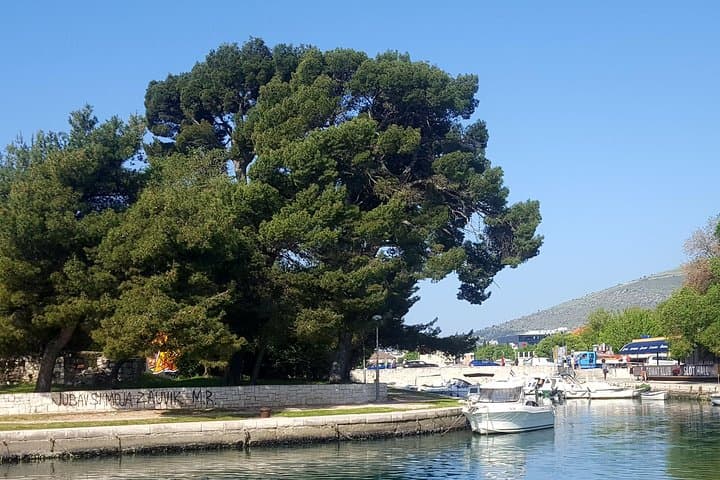
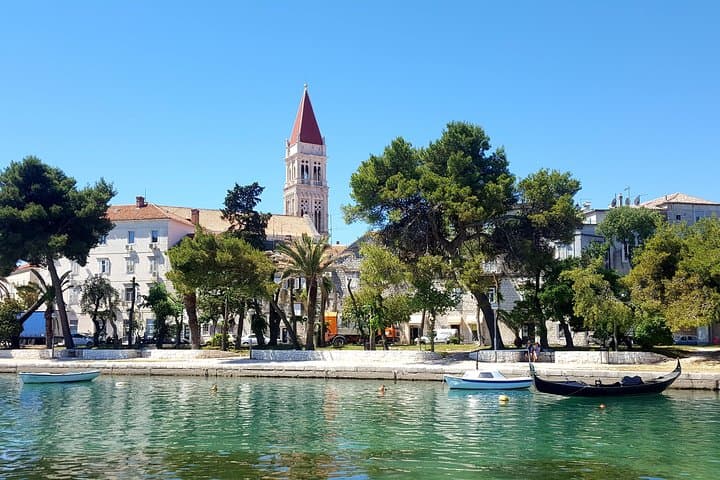
You push off from Matejuška, past fishing boats and the stone ribs of the old Varoš quarter, then start the stairway that climbs into pine-scented shade.
Verified experiences and guided adventures in the surrounding area.
Operated by Opatrip.com Lithuania · Split, Split-Dalmatia County
You push off from Matejuška, past fishing boats and the stone ribs of the old Varoš quarter, then start the stairway that climbs into pine-scented shade.
Marjan unfolds as a compact wildland above Split—rock terraces, shaded trails and sudden glimpses of terra-cotta roofs and the Adriatic. The route up to Vidilica and on toward Telegrin threads old chapels like St. Jerome and WWII lookout points; cliffs at Sustipan drop straight to sea and host some of Croatia’s oldest deep-water solo lines.
Geologically Marjan is a limestone outcrop shaped by marine terraces and karst processes, a small coastal ridge rising roughly 160–180 m above the harbor. Culturally it has long been Split’s urban refuge: 19th-century afforestation with pines and Aleppo pine plantings created today’s green park that locals use for weekend rides and morning runs.
On a typical half-day tour expect 6–8 km of walking (route dependent), switchbacks and stone steps, short steep sections and rocky singletrack for bikes. The views reward the climbing—broad panoramas of Diocletian’s Palace and islands pushed into the distance.
Practical edge: start early to avoid heat and crowds, wear grippy shoes for limestone slabs, and carry water—supply points are limited once you leave the promenade. If you want to add climbing, Sustipan’s sea routes require experience or a guide; for most, a rented mountain bike or a guided hike gives the best mix of exercise and viewpoints.
Leave no trace, respect marked paths and expect an urban-natural experience where city history meets exposed Mediterranean rock.
moderate.
4–5 hours.
Moderate fitness for sustained walking and climbs on uneven terrain; cyclists should be comfortable on singletrack and short steep pitches.
A common loop from Matejuška up to Vidilica, across to Telegrin and back is about 6–8 km and takes roughly 4–5 hours at a relaxed pace.
Yes—Split has several rental shops near the Riva offering quality mountain bikes suitable for Marjan’s trails; guided bike tours are also available.
Sustipan offers deep-water soloing (no ropes) which is for experienced climbers; beginners should book a guided session or stick to marked hiking and scrambling sections.
Service animals are permitted and small dogs are commonly walked on lead; follow local rules and bring water for pets.
Marjan has been an urban green space since 19th-century afforestation projects; St. Jerome Church and small chapels date to earlier religious use of the hill.
Trail erosion and trampling are managed by local authorities—stay on marked paths, pack out trash and avoid disturbing nesting birds.
Opatrip.com Lithuania operates guided outdoor trips and adventures with an emphasis on safety, stewardship, and memorable experiences.

You push off from Matejuška, past fishing boats and the stone ribs of the old Varoš quarter, then start the stairway that climbs into pine-scented shade.
You push off from Matejuška, past fishing boats and the stone ribs of the old Varoš quarter, then start the stairway that climbs into pine-scented shade.
Marjan unfolds as a compact wildland above Split—rock terraces, shaded trails and sudden glimpses of terra-cotta roofs and the Adriatic. The route up to Vidilica and on toward Telegrin threads old chapels like St. Jerome and WWII lookout points; cliffs at Sustipan drop straight to sea and host some of Croatia’s oldest deep-water solo lines.
Geologically Marjan is a limestone outcrop shaped by marine terraces and karst processes, a small coastal ridge rising roughly 160–180 m above the harbor. Culturally it has long been Split’s urban refuge: 19th-century afforestation with pines and Aleppo pine plantings created today’s green park that locals use for weekend rides and morning runs.
On a typical half-day tour expect 6–8 km of walking (route dependent), switchbacks and stone steps, short steep sections and rocky singletrack for bikes. The views reward the climbing—broad panoramas of Diocletian’s Palace and islands pushed into the distance.
Practical edge: start early to avoid heat and crowds, wear grippy shoes for limestone slabs, and carry water—supply points are limited once you leave the promenade. If you want to add climbing, Sustipan’s sea routes require experience or a guide; for most, a rented mountain bike or a guided hike gives the best mix of exercise and viewpoints.
Leave no trace, respect marked paths and expect an urban-natural experience where city history meets exposed Mediterranean rock.