THE ADVENTURE COLLECTIVE® · Independent discovery and booking for outdoor travel

Explore Marigot’s open-air market, gallery-lined streets, and colonial architecture on a 90‑minute guided walk. This short tour is rich in local flavor and accessible to most travelers.
Explore Marigot’s open-air market, gallery-lined streets, and colonial architecture on a 90‑minute guided walk. This short tour is rich in local flavor and accessible to most travelers.
The cobbled streets of Marigot open like a story: salt air nudges the awnings, vendors call out bright produce, and the marina’s masts puncture a calm sky. On a 90‑minute cultural walking tour you move at the town’s tempo—pause at stalls, drift past Creole facades, and let a local guide thread history and present-day life into each alley.
Verified experiences and guided adventures in the surrounding area.
Operated by ISLAND FRIEND · Marigot, Saint-Martin
The cobbled streets of Marigot open like a story: salt air nudges the awnings, vendors call out bright produce, and the marina’s masts puncture a calm sky. On a 90‑minute cultural walking tour you move at the town’s tempo—pause at stalls, drift past Creole facades, and let a local guide thread history and present-day life into each alley.
Marigot grew around its harbor as the administrative heart of the French side of Saint‑Martin. Architectural cues—from Caribbean Creole wooden shutters to French colonial balconies—tell of trade, empire, and island adaptation. Geology is subtle here: low limestone headlands slope to sandy coves while coral‑ringed waters lap the shoreline, shaping livelihoods from fishing to tourism.
Culturally the town is bilingual and blended: French cafés sit beside rum shops, and markets offer guavaberry, spices, and hand‑stitched crafts. Art galleries spotlight local painters who document island life and the sea that both sustains and challenges the community.
Practical guidance: wear comfortable walking shoes and sun protection—the route is largely flat but exposed. Bring a small amount of cash for market purchases and expect light bargaining; bottled water is often provided but refillable bottles are better for the environment. Morning or late afternoon tours avoid the midday heat and deliver stronger light for photos. The accessible route accommodates strollers and mobility aids, but ask about specific needs when booking.
This walk is an efficient primer: sensory, factual, and easily paired with a longer exploration of nearby beaches or a ferry hop to Philipsburg.
easy.
1–1.5 hours.
Light walking fitness—suitable for most adults and families; minimal elevation change.
Yes—this itinerary is designed to be wheelchair and stroller accessible, but notify the operator of specific needs at booking.
Guides commonly speak French and English; check availability of other languages when you book.
No—market purchases and gallery admissions are typically paid on-site by participants.
Tours may be canceled with full refund if severe weather is expected; light rain usually does not cancel but bring rain protection.
Marigot developed as the French administrative center for the island, blending French colonial influence with Caribbean Creole traditions seen in its buildings and markets.
Visitors are encouraged to avoid single-use plastics and support local vendors; reefs and coastal habitats near Marigot are sensitive and benefit from responsible snorkeling and waste reduction.
ISLAND FRIEND operates guided outdoor trips and adventures with an emphasis on safety, stewardship, and memorable experiences.

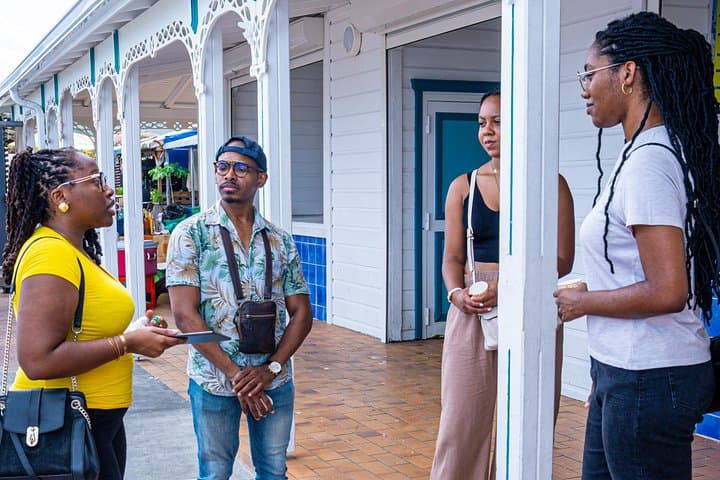
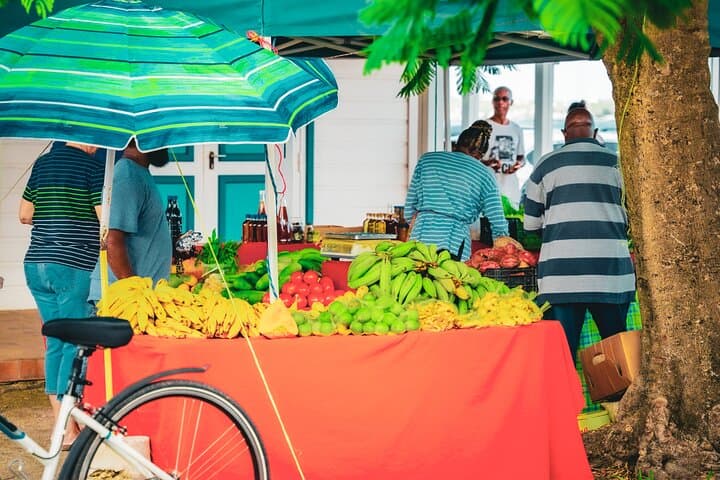
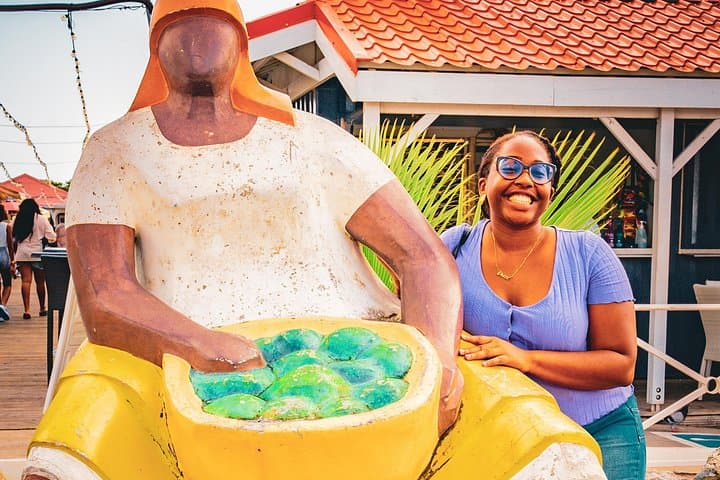
The cobbled streets of Marigot open like a story: salt air nudges the awnings, vendors call out bright produce, and the marina’s masts puncture a calm sky. On a 90‑minute cultural walking tour you move at the town’s tempo—pause at stalls, drift past Creole facades, and let a local guide thread history and present-day life into each alley.
The cobbled streets of Marigot open like a story: salt air nudges the awnings, vendors call out bright produce, and the marina’s masts puncture a calm sky. On a 90‑minute cultural walking tour you move at the town’s tempo—pause at stalls, drift past Creole facades, and let a local guide thread history and present-day life into each alley.
Marigot grew around its harbor as the administrative heart of the French side of Saint‑Martin. Architectural cues—from Caribbean Creole wooden shutters to French colonial balconies—tell of trade, empire, and island adaptation. Geology is subtle here: low limestone headlands slope to sandy coves while coral‑ringed waters lap the shoreline, shaping livelihoods from fishing to tourism.
Culturally the town is bilingual and blended: French cafés sit beside rum shops, and markets offer guavaberry, spices, and hand‑stitched crafts. Art galleries spotlight local painters who document island life and the sea that both sustains and challenges the community.
Practical guidance: wear comfortable walking shoes and sun protection—the route is largely flat but exposed. Bring a small amount of cash for market purchases and expect light bargaining; bottled water is often provided but refillable bottles are better for the environment. Morning or late afternoon tours avoid the midday heat and deliver stronger light for photos. The accessible route accommodates strollers and mobility aids, but ask about specific needs when booking.
This walk is an efficient primer: sensory, factual, and easily paired with a longer exploration of nearby beaches or a ferry hop to Philipsburg.