THE ADVENTURE COLLECTIVE® · Independent discovery and booking for outdoor travel

A private 4‑hour hike from central Oslo to Maridalsvannet that pairs a scenic train ride with a 9.5 km forest route, a short scramble to panoramic views, and a quiet lakeshore descent. Ideal for hikers with moderate experience.
A private 4‑hour hike from central Oslo to Maridalsvannet that pairs a scenic train ride with a 9.5 km forest route, a short scramble to panoramic views, and a quiet lakeshore descent. Ideal for hikers with moderate experience.
You step out from behind the Backstube Opera into the brisk Oslo air, city noise receding as the Vy train eases toward Snippen. The carriage rumbles past suburbs and into the green fringe; each window frames a new slice of Norway’s woods until the trees demand your full attention.
Verified experiences and guided adventures in the surrounding area.
Operated by When in Norway · Oslo, Oslo
You step out from behind the Backstube Opera into the brisk Oslo air, city noise receding as the Vy train eases toward Snippen. The carriage rumbles past suburbs and into the green fringe; each window frames a new slice of Norway’s woods until the trees demand your full attention.
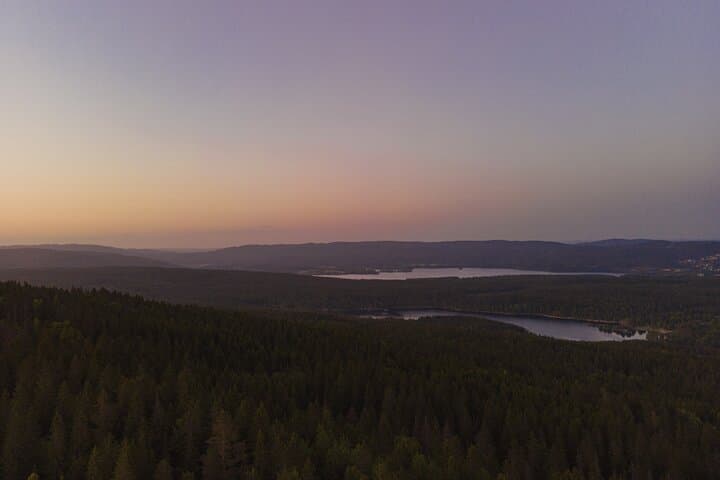
Maridalsvannet—the largest lake in Oslo—holds the calm of a guarded well. Its clear water, collected from surrounding hills, feeds the Akerselva River and, historically, the city’s growth; the reservoir has been protected as Oslo’s main drinking source since the 19th century. The route climbs on glacially scoured bedrock and pine-studded ridges, where outcrops and thin soil tell of ice and time. Local culture here leans practical: foragers, weekend skiers, and commuters who know when to carry a thermos.
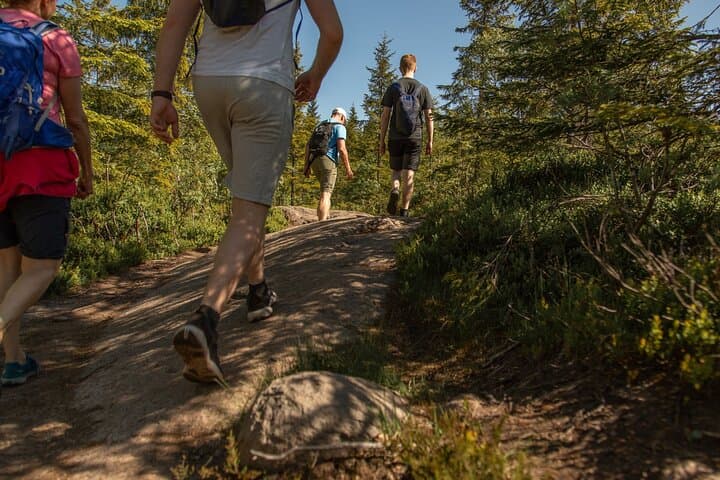
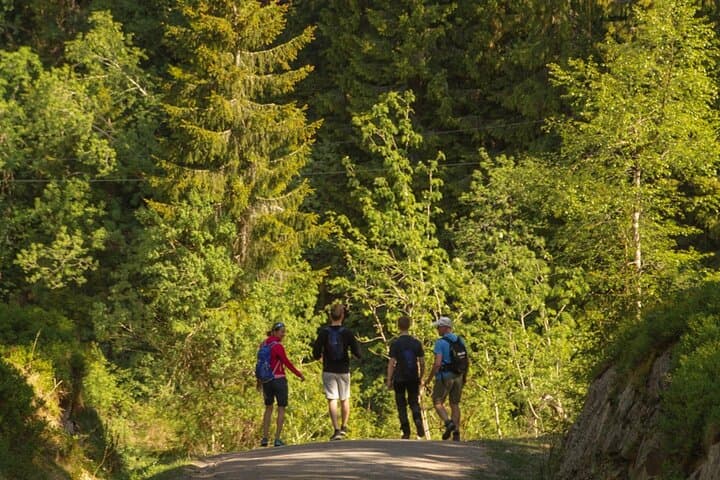
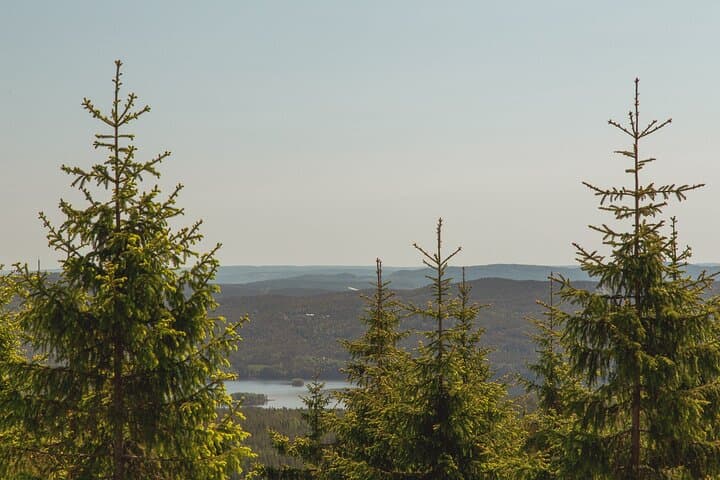
Expect roughly 9.5 km and about four hours total including public transport. The hike includes a short section of light scrambling to reach a high vantage that looks back over the fjord, the city, and the forested expanse beyond. After the summit, the trail eases down to Maridalsvannet’s tranquil shore, where reeds edge glassy water and the forest seems to listen.
Practical guidance: bring a metro ticket (your guide can help arrange), wear sturdy hiking shoes, and pack water and layered clothing—Oslo’s weather can shift quickly. The route is best for those with moderate hiking experience; avoid it if you have serious back or heart conditions or are pregnant. Start mid-morning for best light and quieter trails.
moderate.
4 hours (including public transport).
Moderate fitness; comfortable walking 9–10 km over mixed terrain with brief uphill scrambling
Yes—guests need a valid metro/train ticket for the Vy ride to Snippen; the guide can help buy one in most cases.
Recommended minimum age is 5; families should consider children’s stamina for 9.5 km and some rocky sections.
The price covers an English-speaking local guide and assistance with transport ticketing; the metro ticket itself may be provided if arranged in advance.
Service animals are allowed; pets should be checked with the operator since the area supplies drinking water and parts of the shoreline may be restricted.
Maridalsvannet has been protected as Oslo’s primary drinking-water reservoir since the 19th century, shaping land use and access around the lake.
Parts of the shoreline are restricted to protect water quality—stick to marked trails, pack out waste, and avoid contaminating water sources.
When in Norway operates guided outdoor trips and adventures with an emphasis on safety, stewardship, and memorable experiences.
You step out from behind the Backstube Opera into the brisk Oslo air, city noise receding as the Vy train eases toward Snippen. The carriage rumbles past suburbs and into the green fringe; each window frames a new slice of Norway’s woods until the trees demand your full attention.
You step out from behind the Backstube Opera into the brisk Oslo air, city noise receding as the Vy train eases toward Snippen. The carriage rumbles past suburbs and into the green fringe; each window frames a new slice of Norway’s woods until the trees demand your full attention.
Maridalsvannet—the largest lake in Oslo—holds the calm of a guarded well. Its clear water, collected from surrounding hills, feeds the Akerselva River and, historically, the city’s growth; the reservoir has been protected as Oslo’s main drinking source since the 19th century. The route climbs on glacially scoured bedrock and pine-studded ridges, where outcrops and thin soil tell of ice and time. Local culture here leans practical: foragers, weekend skiers, and commuters who know when to carry a thermos.
Expect roughly 9.5 km and about four hours total including public transport. The hike includes a short section of light scrambling to reach a high vantage that looks back over the fjord, the city, and the forested expanse beyond. After the summit, the trail eases down to Maridalsvannet’s tranquil shore, where reeds edge glassy water and the forest seems to listen.
Practical guidance: bring a metro ticket (your guide can help arrange), wear sturdy hiking shoes, and pack water and layered clothing—Oslo’s weather can shift quickly. The route is best for those with moderate hiking experience; avoid it if you have serious back or heart conditions or are pregnant. Start mid-morning for best light and quieter trails.