THE ADVENTURE COLLECTIVE® · Independent discovery and booking for outdoor travel

A compact but dramatic route in the Annapurna region, the Mardi Himal Trek offers close-up views of Machhapuchhre and broad Annapurna panoramas over 6–8 days. It’s a quieter alternative to ABC with simple teahouse nights and high ridgelines that reward early mornings.
A compact but dramatic route in the Annapurna region, the Mardi Himal Trek offers close-up views of Machhapuchhre and broad Annapurna panoramas over 6–8 days. It’s a quieter alternative to ABC with simple teahouse nights and high ridgelines that reward early mornings.
A thin morning mist lifts above terraced fields as you start from Kande, the valley below still cool and smelling of wet earth. The trail climbs through cedar and oak, curls above waterfalls and opens onto the wide ledges of Australian Camp where the Annapurna range unfolds like a hard-edged skyline. Each day the mountains push closer—Annapurna South and the sacred Machhapuchhre (Fishtail) loom, their ridgelines daring you onward.
Verified experiences and guided adventures in the surrounding area.
Operated by Nepal Kailash Trekking · Pokhara, Gandaki Province
A thin morning mist lifts above terraced fields as you start from Kande, the valley below still cool and smelling of wet earth. The trail climbs through cedar and oak, curls above waterfalls and opens onto the wide ledges of Australian Camp where the Annapurna range unfolds like a hard-edged skyline. Each day the mountains push closer—Annapurna South and the sacred Machhapuchhre (Fishtail) loom, their ridgelines daring you onward.
Mardi Himal sits on the quieter eastern flank of the Annapurna Sanctuary; the route became popular in the last two decades as an alternative to the busier Annapurna Base Camp path. Geologically this is young Himalayan terrain—steep, folded ridges cut by seasonal streams and heavy monsoon erosion—so expect loose scree on higher approaches and dense rhododendron forests lower down. The region is Gurung country: you’ll pass small villages, stone teahouses, and terraced farms where local culture still follows mountain rhythms.
Practically, the standard itinerary is 6–8 days from Pokhara or Kathmandu, with high camps around 3,600–4,200 m and a high point near Mardi Base Camp (~4,500 m). Trails vary from hard-packed dirt to rocky switchbacks; sections can be steep and exposed after rain. Acclimatize, carry layers, and plan for early starts to avoid afternoon wind and cloud. If you aim for the true summit (Mardi Himal peak, 5,557 m), technical mountaineering skills and gear are required.
Expect simple lodges, hearty Nepali meals, and panoramic sunrises that paint the ridges. Hydrate, respect altitude, and give yourself time to move deliberately—this is a short trek with big mountains.
challenging.
7–8 days.
Good aerobic fitness with experience on multi-day hikes; able to handle steep climbs and long days at altitude
Typical itineraries run 6–8 days; common start points are Kande, Landruk, or Siding with transfers from Pokhara.
No for the standard Mardi Himal Base Camp route, but the true Mardi peak (5,557 m) requires mountaineering equipment and experience.
Simple teahouses and local lodges with dorm-style rooms and shared facilities; meals are homestyle Nepali fare.
Spring (March–May) and autumn (September–November) offer the most stable weather and clear mountain views; winter is cold and summer sees monsoon rains.
This route opened to trekkers more recently than classic Annapurna trails and passes through longstanding Gurung villages that practice terrace farming and traditional hospitality.
Stick to established trails and teahouses to limit erosion; the Annapurna Conservation Area enforces permits and promotes community-based tourism to protect local ecosystems.
Nepal Kailash Trekking operates guided outdoor trips and adventures with an emphasis on safety, stewardship, and memorable experiences.
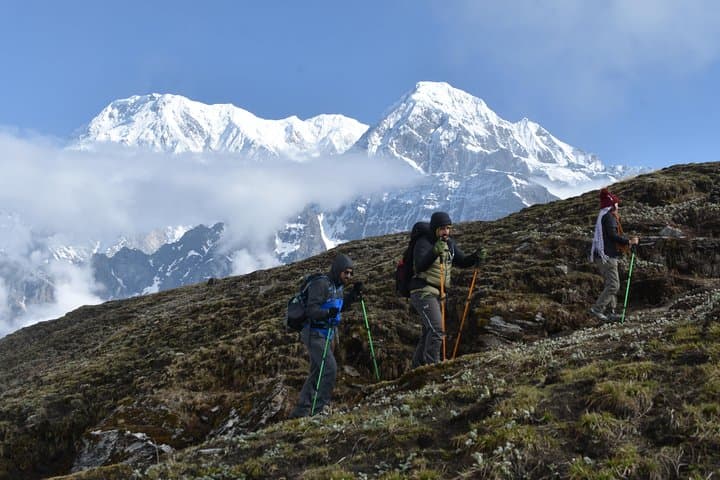
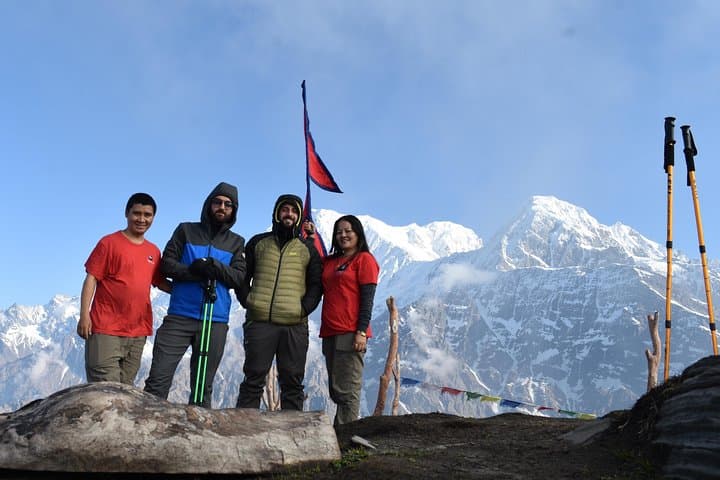
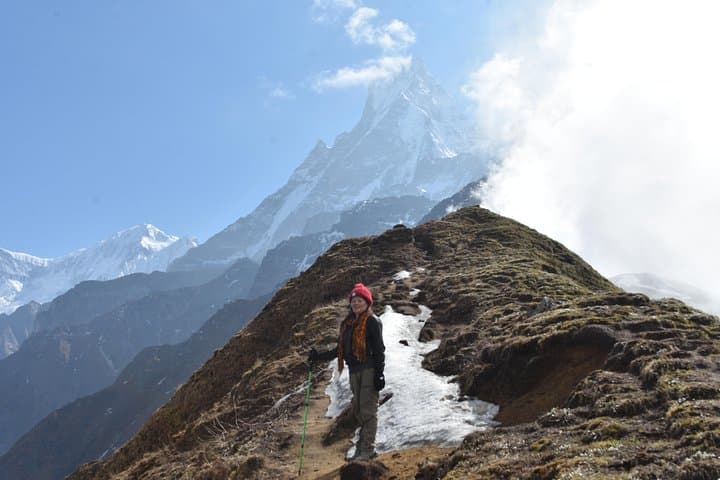
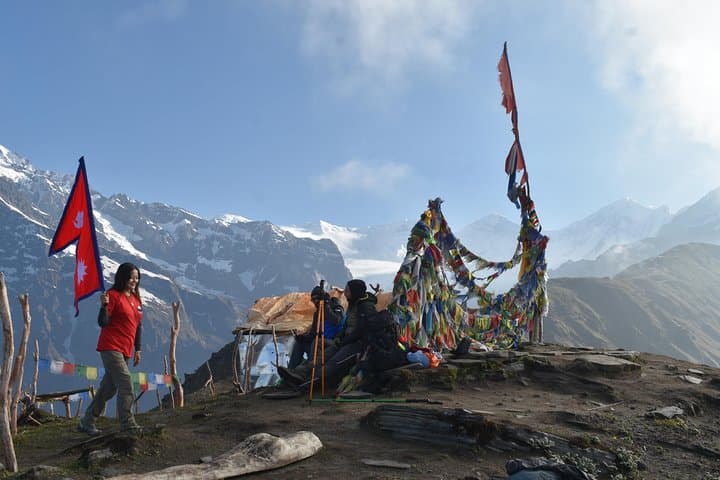
A thin morning mist lifts above terraced fields as you start from Kande, the valley below still cool and smelling of wet earth. The trail climbs through cedar and oak, curls above waterfalls and opens onto the wide ledges of Australian Camp where the Annapurna range unfolds like a hard-edged skyline. Each day the mountains push closer—Annapurna South and the sacred Machhapuchhre (Fishtail) loom, their ridgelines daring you onward.
A thin morning mist lifts above terraced fields as you start from Kande, the valley below still cool and smelling of wet earth. The trail climbs through cedar and oak, curls above waterfalls and opens onto the wide ledges of Australian Camp where the Annapurna range unfolds like a hard-edged skyline. Each day the mountains push closer—Annapurna South and the sacred Machhapuchhre (Fishtail) loom, their ridgelines daring you onward.
Mardi Himal sits on the quieter eastern flank of the Annapurna Sanctuary; the route became popular in the last two decades as an alternative to the busier Annapurna Base Camp path. Geologically this is young Himalayan terrain—steep, folded ridges cut by seasonal streams and heavy monsoon erosion—so expect loose scree on higher approaches and dense rhododendron forests lower down. The region is Gurung country: you’ll pass small villages, stone teahouses, and terraced farms where local culture still follows mountain rhythms.
Practically, the standard itinerary is 6–8 days from Pokhara or Kathmandu, with high camps around 3,600–4,200 m and a high point near Mardi Base Camp (~4,500 m). Trails vary from hard-packed dirt to rocky switchbacks; sections can be steep and exposed after rain. Acclimatize, carry layers, and plan for early starts to avoid afternoon wind and cloud. If you aim for the true summit (Mardi Himal peak, 5,557 m), technical mountaineering skills and gear are required.
Expect simple lodges, hearty Nepali meals, and panoramic sunrises that paint the ridges. Hydrate, respect altitude, and give yourself time to move deliberately—this is a short trek with big mountains.