THE ADVENTURE COLLECTIVE® · Independent discovery and booking for outdoor travel

Short on time but hungry for Himalayan views? The Mardi Himal Trek from Pokhara delivers high ridgelines, close-up views of Machhapuchhre, and cultural encounters in a compact 6–7 day package. Read on for what to expect, how to prepare, and season-by-season tips.
Short on time but hungry for Himalayan views? The Mardi Himal Trek from Pokhara delivers high ridgelines, close-up views of Machhapuchhre, and cultural encounters in a compact 6–7 day package. Read on for what to expect, how to prepare, and season-by-season tips.
A narrow mountain path peels away from a sleepy Pokhara dawn and climbs through forest light, rhododendron trunks gilt by the sun. You trade the city’s lakeview for high ridgelines; Machhapuchhre (Fishtail) juts into the sky and seems to watch every step as you climb toward Mardi Himal.
Verified experiences and guided adventures in the surrounding area.
A narrow mountain path peels away from a sleepy Pokhara dawn and climbs through forest light, rhododendron trunks gilt by the sun. You trade the city’s lakeview for high ridgelines; Machhapuchhre (Fishtail) juts into the sky and seems to watch every step as you climb toward Mardi Himal.
The route threads small Gurung and Magar villages—Dhampus and Pothana—where terraced fields and stone houses mark a cultural border between lowland valley life and alpine weather. Geologically the trail moves from river-cut valley soils into glacially influenced moraines and rocky alpine slopes; views open and close with each ridge you gain. Locals once used these passes seasonally; now teahouses and narrow trails guide trekkers through changing vegetation bands, from subtropical oak to high-altitude grassland.
Expect 30–40 km of walking over 4–6 trekking days (itineraries vary), with a maximum camp or lodge altitude near 4,500 m at the upper reaches and more moderate overnight stops around 1,500–2,000 m. Trails alternate packed dirt, stone steps and short steep sections that test lungs more than technical skill.
Practical edge: plan for gradual acclimatization, carry layered clothing (high winds are common above tree line), and time hikes for morning clarity — afternoon clouds often roll in. Hydrate proactively and allow a rest day in Pokhara if you arrive from lower elevations. Footwear with ankle support and trekking poles make long descents easier. With straightforward logistics and strong mountain views, Mardi Himal is an accessible way to experience Annapurna’s quieter side.
moderate.
6–7 days.
Good cardiovascular fitness with experience on multi-day hikes; ability to walk 4–7 hours/day with a daypack.
Most itineraries run 4–7 days of trekking (total trip 6–7 days including travel from Pokhara), covering roughly 30–40 km depending on the route.
A local guide is strongly recommended for navigation and cultural context; permits include TIMS and Annapurna Conservation Area entry—your operator normally arranges these.
Upper camps and the basecamp/viewpoint area reach around 3,500–4,500 m depending on how far you push; plan for altitude precautions.
Spring (March–May) and autumn (September–November) offer the most stable weather and clear mountain views; each season requires specific preparation.
The trail follows routes long used by Gurung and Magar communities; villages along the way retain traditional farming, song and craft practices.
Mardi Himal lies within the Annapurna Conservation Area—practice Leave No Trace, use established teahouses, and minimize plastic waste to protect fragile alpine zones.
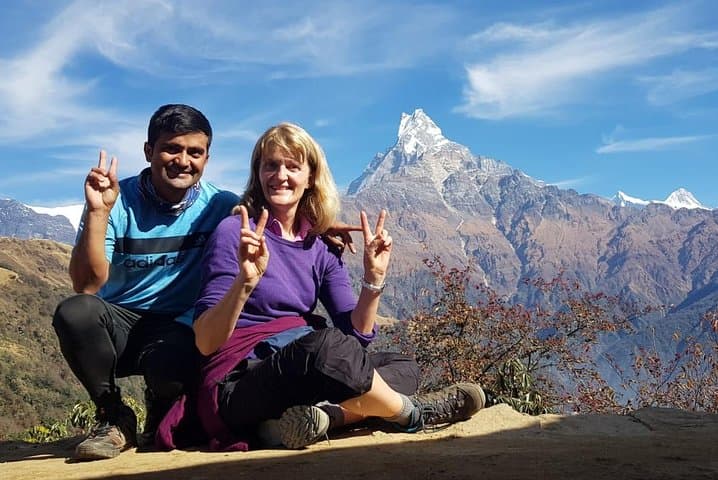
A narrow mountain path peels away from a sleepy Pokhara dawn and climbs through forest light, rhododendron trunks gilt by the sun. You trade the city’s lakeview for high ridgelines; Machhapuchhre (Fishtail) juts into the sky and seems to watch every step as you climb toward Mardi Himal.
A narrow mountain path peels away from a sleepy Pokhara dawn and climbs through forest light, rhododendron trunks gilt by the sun. You trade the city’s lakeview for high ridgelines; Machhapuchhre (Fishtail) juts into the sky and seems to watch every step as you climb toward Mardi Himal.
The route threads small Gurung and Magar villages—Dhampus and Pothana—where terraced fields and stone houses mark a cultural border between lowland valley life and alpine weather. Geologically the trail moves from river-cut valley soils into glacially influenced moraines and rocky alpine slopes; views open and close with each ridge you gain. Locals once used these passes seasonally; now teahouses and narrow trails guide trekkers through changing vegetation bands, from subtropical oak to high-altitude grassland.
Expect 30–40 km of walking over 4–6 trekking days (itineraries vary), with a maximum camp or lodge altitude near 4,500 m at the upper reaches and more moderate overnight stops around 1,500–2,000 m. Trails alternate packed dirt, stone steps and short steep sections that test lungs more than technical skill.
Practical edge: plan for gradual acclimatization, carry layered clothing (high winds are common above tree line), and time hikes for morning clarity — afternoon clouds often roll in. Hydrate proactively and allow a rest day in Pokhara if you arrive from lower elevations. Footwear with ankle support and trekking poles make long descents easier. With straightforward logistics and strong mountain views, Mardi Himal is an accessible way to experience Annapurna’s quieter side.