THE ADVENTURE COLLECTIVE® · Independent discovery and booking for outdoor travel

A short, off-the-beaten-path trek in the Annapurna region that delivers dramatic close-up views of Machapuchhre and Mardi Himal. Travel through rhododendron forests, remote Gurung villages, and alpine ridgelines to reach a quiet base camp at roughly 3,310 m.
A short, off-the-beaten-path trek in the Annapurna region that delivers dramatic close-up views of Machapuchhre and Mardi Himal. Travel through rhododendron forests, remote Gurung villages, and alpine ridgelines to reach a quiet base camp at roughly 3,310 m.
The trail opens with a morning in Pokhara, engine hum fading as the road drops into terraced valleys and the forest swallows the path. You start on narrow tracks through village fields, then push into deep rhododendron stands; branches close in, the air scented with earth and pine. Higher up the forest thins and suddenly the great flanks of Machapuchhre and Annapurna South loom—sharp, close, and undeniably present.
Verified experiences and guided adventures in the surrounding area.
Operated by Adventure Blossom Treks and Expedition Pvt.Ltd · Pokhara, Gandaki Province
The trail opens with a morning in Pokhara, engine hum fading as the road drops into terraced valleys and the forest swallows the path. You start on narrow tracks through village fields, then push into deep rhododendron stands; branches close in, the air scented with earth and pine. Higher up the forest thins and suddenly the great flanks of Machapuchhre and Annapurna South loom—sharp, close, and undeniably present.
This short, less-traveled trek sits on the eastern flank of the Annapurna massif and has only recently become popular with independent hikers. Geologically the route follows valley cuts and moraines carved by glaciation; soils are thin above treeline and the slopes change quickly from cultivated terraces to scree and alpine scrub. Culturally you’ll pass small Gurung and Magar settlements where teahouses serve dal bhat and stories of mountain life; terraced fields still shape the valley breath.
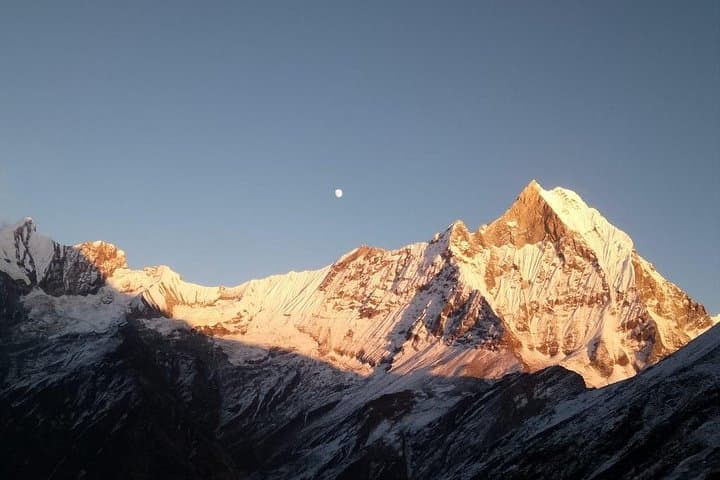
Expect roughly 30–40 km round-trip with a highest camp near 3,310 m and total elevation gain around 1,600 m from trailhead to base camp. Terrain varies from packed earth and stone steps to short sections of loose scree; some days are steep but not technical. Wildlife includes forest birds and occasional Himalayan langur sightings, and the trail rewards patience with morning light on Machapuchhre’s face.
Practical planning: aim for spring or autumn for stable weather, carry layered insulation and a reliable rain shell, and allow at least one acclimatization day if you’re moving quickly. Hydrate, use trekking poles to save knees on descents, and book teahouse beds in peak season—this is an off-the-beaten route, but comforts are simple.
moderate.
4–6 days.
Moderate cardiovascular fitness and steady uphill endurance; regular walkers should manage with rest days.
Most itineraries run 4–6 days round-trip, covering roughly 30–40 km depending on start point and side trips.
You’ll need an Annapurna Conservation Area Permit (ACAP) and a TIMS card—these are typically arranged in Pokhara before departure.
Spring (late March–May) and autumn (September–November) offer the most stable weather and clearest mountain views.
Yes—simple teahouses provide basic rooms and meals; facilities are rustic and get scarcer above Low Camp, so plan accordingly.
The valleys around Mardi have long been home to Gurung and Magar communities who practice terrace farming and maintain distinct cultural traditions tied to the Annapurna foothills.
This route lies within the Annapurna Conservation Area—stay on trails, avoid single-use plastics, and support local teahouses that follow community-based tourism practices.
Adventure Blossom Treks and Expedition Pvt.Ltd operates guided outdoor trips and adventures with an emphasis on safety, stewardship, and memorable experiences.
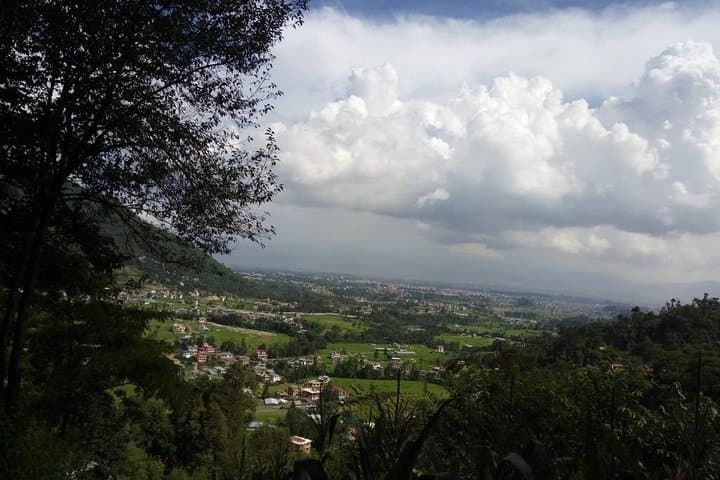
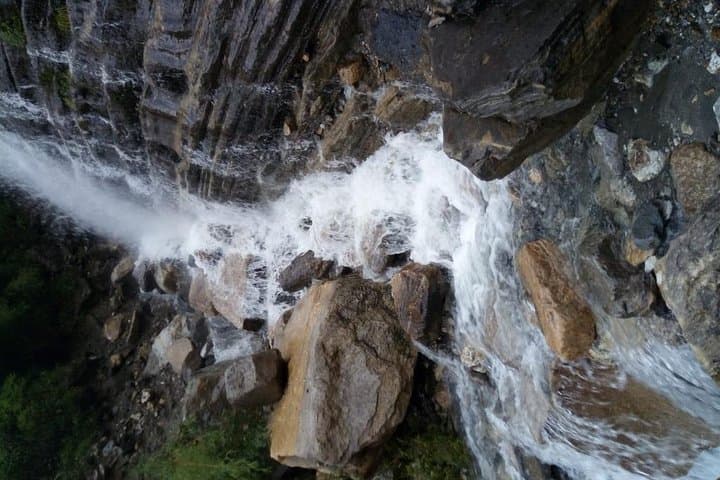
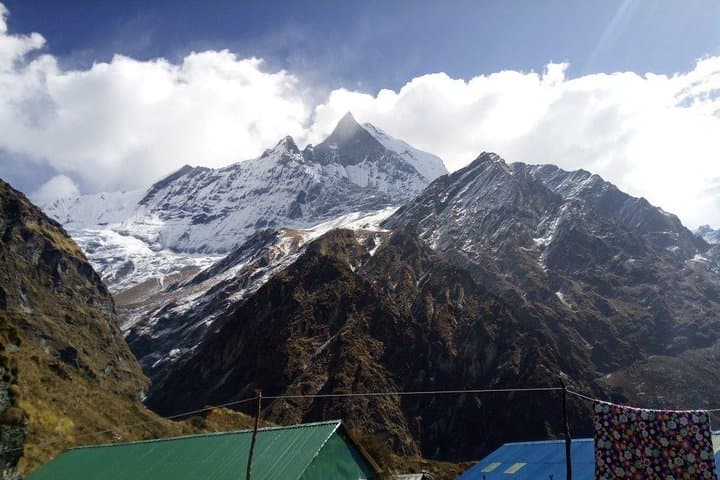
The trail opens with a morning in Pokhara, engine hum fading as the road drops into terraced valleys and the forest swallows the path. You start on narrow tracks through village fields, then push into deep rhododendron stands; branches close in, the air scented with earth and pine. Higher up the forest thins and suddenly the great flanks of Machapuchhre and Annapurna South loom—sharp, close, and undeniably present.
The trail opens with a morning in Pokhara, engine hum fading as the road drops into terraced valleys and the forest swallows the path. You start on narrow tracks through village fields, then push into deep rhododendron stands; branches close in, the air scented with earth and pine. Higher up the forest thins and suddenly the great flanks of Machapuchhre and Annapurna South loom—sharp, close, and undeniably present.
This short, less-traveled trek sits on the eastern flank of the Annapurna massif and has only recently become popular with independent hikers. Geologically the route follows valley cuts and moraines carved by glaciation; soils are thin above treeline and the slopes change quickly from cultivated terraces to scree and alpine scrub. Culturally you’ll pass small Gurung and Magar settlements where teahouses serve dal bhat and stories of mountain life; terraced fields still shape the valley breath.
Expect roughly 30–40 km round-trip with a highest camp near 3,310 m and total elevation gain around 1,600 m from trailhead to base camp. Terrain varies from packed earth and stone steps to short sections of loose scree; some days are steep but not technical. Wildlife includes forest birds and occasional Himalayan langur sightings, and the trail rewards patience with morning light on Machapuchhre’s face.
Practical planning: aim for spring or autumn for stable weather, carry layered insulation and a reliable rain shell, and allow at least one acclimatization day if you’re moving quickly. Hydrate, use trekking poles to save knees on descents, and book teahouse beds in peak season—this is an off-the-beaten route, but comforts are simple.