THE ADVENTURE COLLECTIVE® · Independent discovery and booking for outdoor travel

A compact Annapurna adventure that pairs a high-elevation Mardi Himal trek with a scenic half-day on the Seti River. Expect steep forest climbs, ridge-top panoramas of Machapuchare and Annapurna, and a gentle yet exciting rafting finale.
A compact Annapurna adventure that pairs a high-elevation Mardi Himal trek with a scenic half-day on the Seti River. Expect steep forest climbs, ridge-top panoramas of Machapuchare and Annapurna, and a gentle yet exciting rafting finale.
Dawn cuts silver across the Annapurna ridgeline as you step off the jeep at Kande and the trail immediately climbs into rhododendron and oak. The air is thin and clean; prayer flags twitch on exposed ridgelines while distant summits—Machapuchare, Annapurna South, Hiunchuli—gradually assert themselves above the treeline. By the third morning you’ll be at High Camp, where the mountains feel close enough to touch, and an early push puts Mardi Himal Base Camp within view—a raw, glacial-edged bowl at high altitude.
Verified experiences and guided adventures in the surrounding area.
Operated by CAN Travels · Pokhara, Gandaki Province
Dawn cuts silver across the Annapurna ridgeline as you step off the jeep at Kande and the trail immediately climbs into rhododendron and oak. The air is thin and clean; prayer flags twitch on exposed ridgelines while distant summits—Machapuchare, Annapurna South, Hiunchuli—gradually assert themselves above the treeline. By the third morning you’ll be at High Camp, where the mountains feel close enough to touch, and an early push puts Mardi Himal Base Camp within view—a raw, glacial-edged bowl at high altitude.
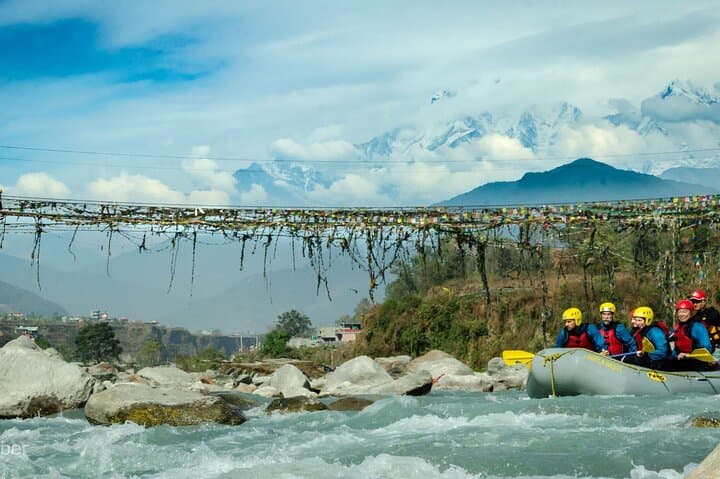
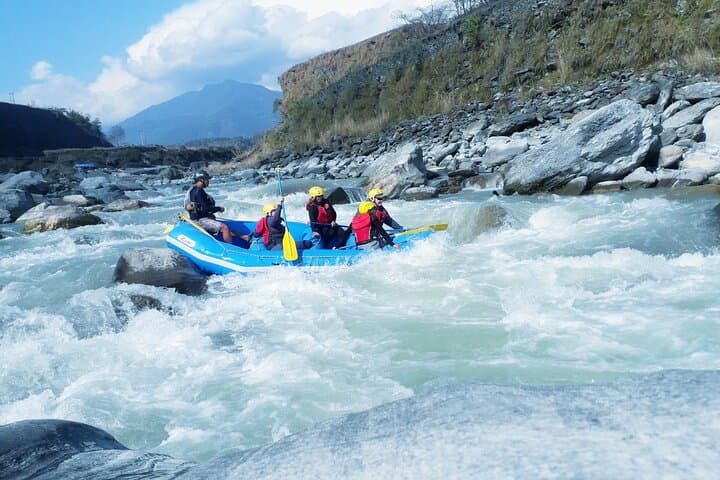
This short trek traces classic Annapurna geology: steep, folded foothills rising to glaciated peaks shaped by uplift and winter snow. The trail threads small Gurung and Magar villages, where terrace farms and stone guesthouses reflect a culture long adapted to rugged slopes. The Seti River, fed by mountain runoff, provides the finale—a contrast of moving water that dares you into riffles and quiet green banks.
Practical guidance: pack for altitude and variable weather; daytime sun can be strong and nights cold. Expect 4–6 hour hike days on mixed dirt and rocky trails with 1,000–1,200m daily gains on steeper sections. Guides handle permits, lodging in local guesthouses, and a half-day Grade II–III rafting stretch on the Seti. Hydrate, pace on ascents, and keep an eye on weather windows—clear mornings give the best summit views.
This itinerary balances alpine panoramas with a river-side reset, offering a condensed yet complete Annapurna experience for trekkers with moderate fitness and appetite for both trail and water.
challenging.
4–5 days.
Good cardiovascular fitness and experience on steep day-hikes; comfortable with multi-hour ascents and descents at altitude.
The trek is short but steep; beginners with good fitness can complete it, but expect challenging ascents and altitude—prepare with cardio training and a rest day in Pokhara.
Yes—Mardi Himal and Annapurna Conservation Area permits are required and typically arranged by your operator or guide.
The rafting section is generally Grade II–III: fun, technical in places, but suitable for novices under an experienced guide with provided safety gear.
Yes—overnight stays are in local guesthouses (tea houses) offering basic rooms and meals; bring a lightweight sleeping liner for comfort.
The route passes traditional Gurung and Magar settlements whose mountain agriculture and stone architecture reflect centuries of hill farming in the Annapurna region.
This trek crosses the Annapurna Conservation Area—follow Leave No Trace principles, avoid single-use plastics, and support local guesthouses to benefit community conservation.
CAN Travels operates guided outdoor trips and adventures with an emphasis on safety, stewardship, and memorable experiences.
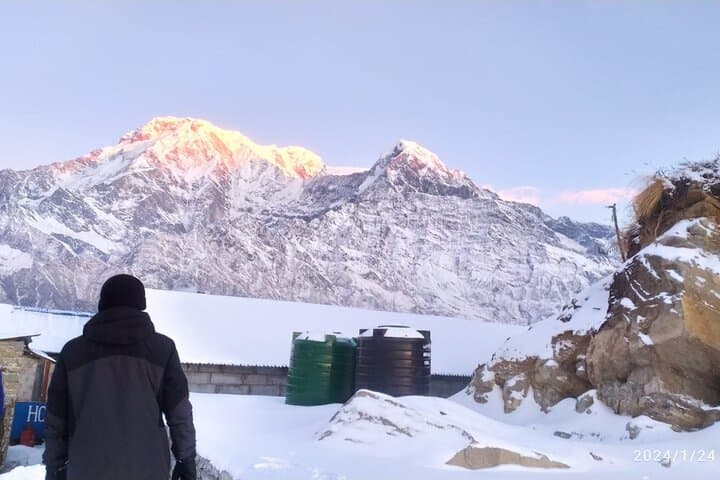
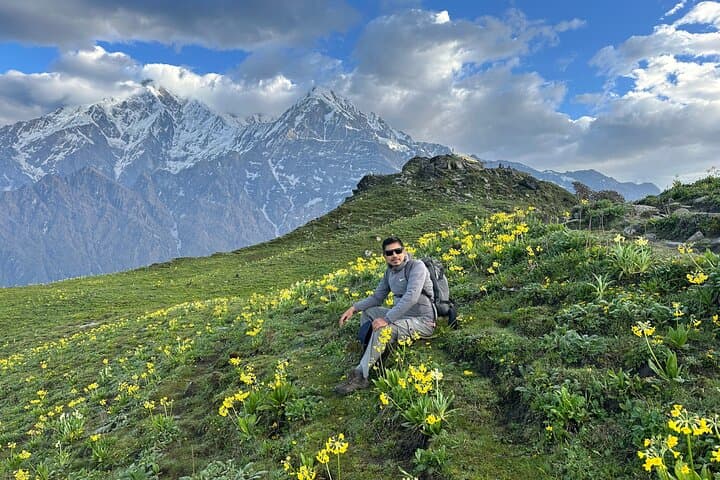
Dawn cuts silver across the Annapurna ridgeline as you step off the jeep at Kande and the trail immediately climbs into rhododendron and oak. The air is thin and clean; prayer flags twitch on exposed ridgelines while distant summits—Machapuchare, Annapurna South, Hiunchuli—gradually assert themselves above the treeline. By the third morning you’ll be at High Camp, where the mountains feel close enough to touch, and an early push puts Mardi Himal Base Camp within view—a raw, glacial-edged bowl at high altitude.
Dawn cuts silver across the Annapurna ridgeline as you step off the jeep at Kande and the trail immediately climbs into rhododendron and oak. The air is thin and clean; prayer flags twitch on exposed ridgelines while distant summits—Machapuchare, Annapurna South, Hiunchuli—gradually assert themselves above the treeline. By the third morning you’ll be at High Camp, where the mountains feel close enough to touch, and an early push puts Mardi Himal Base Camp within view—a raw, glacial-edged bowl at high altitude.
This short trek traces classic Annapurna geology: steep, folded foothills rising to glaciated peaks shaped by uplift and winter snow. The trail threads small Gurung and Magar villages, where terrace farms and stone guesthouses reflect a culture long adapted to rugged slopes. The Seti River, fed by mountain runoff, provides the finale—a contrast of moving water that dares you into riffles and quiet green banks.
Practical guidance: pack for altitude and variable weather; daytime sun can be strong and nights cold. Expect 4–6 hour hike days on mixed dirt and rocky trails with 1,000–1,200m daily gains on steeper sections. Guides handle permits, lodging in local guesthouses, and a half-day Grade II–III rafting stretch on the Seti. Hydrate, pace on ascents, and keep an eye on weather windows—clear mornings give the best summit views.
This itinerary balances alpine panoramas with a river-side reset, offering a condensed yet complete Annapurna experience for trekkers with moderate fitness and appetite for both trail and water.