THE ADVENTURE COLLECTIVE® · Independent discovery and booking for outdoor travel

A lesser-trodden alternative to the main Annapurna routes, the Mardi Himal Trek climbs through forested ridges to reveal close-up views of Annapurna South and Fishtail. This multi-day trek balances wilderness, local village life and panoramic alpine viewpoints.
A lesser-trodden alternative to the main Annapurna routes, the Mardi Himal Trek climbs through forested ridges to reveal close-up views of Annapurna South and Fishtail. This multi-day trek balances wilderness, local village life and panoramic alpine viewpoints.
You step off the tourist bus in Pokhara and the air changes—thinner, cooler, threaded with pine and wood smoke. Over the next days the trail climbs out of terraced rice fields into dense rhododendron and oak forest; bird calls and the creak of pack straps replace traffic. By High Camp the valley opens to an unguarded stage: Annapurna South, Hiunchuli and the knife-edge of Machhapuchhre (Fishtail) command the skyline, while the south face of Mardi Himal looms close enough to study its ridges.
Verified experiences and guided adventures in the surrounding area.
Operated by Ghale Treks · Pokhara, Gandaki Province
You step off the tourist bus in Pokhara and the air changes—thinner, cooler, threaded with pine and wood smoke. Over the next days the trail climbs out of terraced rice fields into dense rhododendron and oak forest; bird calls and the creak of pack straps replace traffic. By High Camp the valley opens to an unguarded stage: Annapurna South, Hiunchuli and the knife-edge of Machhapuchhre (Fishtail) command the skyline, while the south face of Mardi Himal looms close enough to study its ridges.
The route is recent on the trekking map, forged by local teahouses and hikers seeking solitude away from Annapurna Circuit crowds. Geologically the trail skirts the southern flanks of the Annapurna massif—granite and metamorphic rock uplifted by the collision of the Indian and Eurasian plates—and gains altitude quickly, moving through culturally distinct Gurung villages where traditional stone houses and terraced fields remain part of daily life.
Practical guide: typical itineraries run 6–9 days with the highest walking point around 4,500 m (Mardi Himal Base Camp) and regular camping/lodge stops at 2,100–3,580 m. Expect steep, rocky sections and single-track ascents that require steady footing; daylight hiking windows and early starts maximize views and reduce afternoon cloud. Carry layered insulation for alpine nights, a rain shell for surprise squalls, and enough cash for remote teahouses. Permits (ACAP and TIMS) are required; guides and porters are widely available and recommended if you’re managing altitude or heavy packs.
Timing your trek—spring and autumn for clear skies—will reward you with long ranges and quiet trails.
challenging.
6–9 days.
Moderate to fit—regular hikers who can handle sustained uphill days and 3–6 hour daily marches.
Yes—Annapurna Conservation Area Permit (ACAP) and TIMS card are required and are typically procured in Pokhara or arranged by your operator.
The itinerary can reach up to about 4,500 m; most high camps are between 3,000–3,600 m so acclimatization is important.
Yes—the trail is served by basic teahouses offering meals, simple rooms and hot drinks; bring cash as card acceptance is rare.
Not strictly, but guides improve navigation and cultural insight; porters (often shared) reduce load and lower altitude strain—this itinerary includes one porter per two guests.
The Annapurna area is managed under the Annapurna Conservation Area Project, and the region is home to Gurung and other indigenous communities with long-standing mountain agriculture traditions.
Stick to marked trails, avoid single-use plastics in teahouses, and support local lodges—waste management and water conservation are ongoing priorities in the Annapurna Conservation Area.
Ghale Treks operates guided outdoor trips and adventures with an emphasis on safety, stewardship, and memorable experiences.
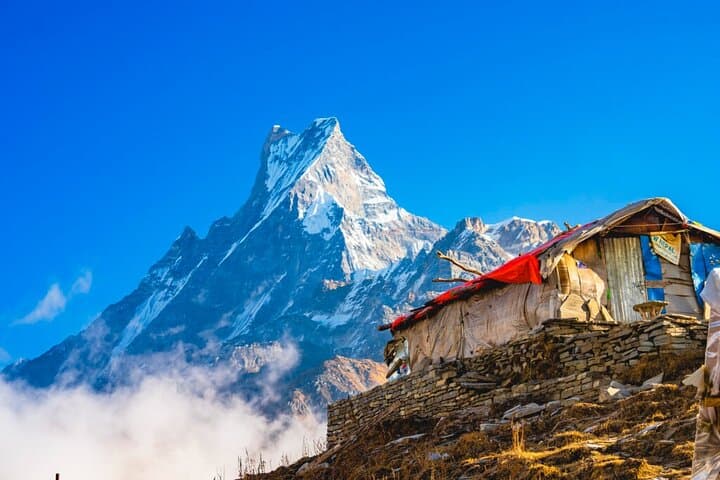

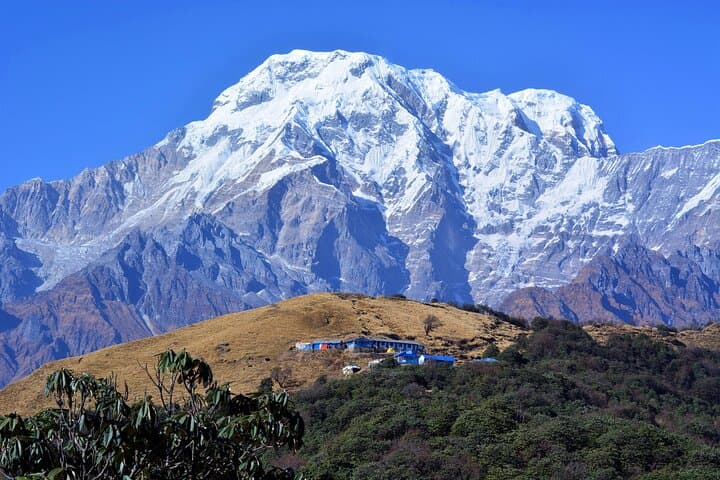
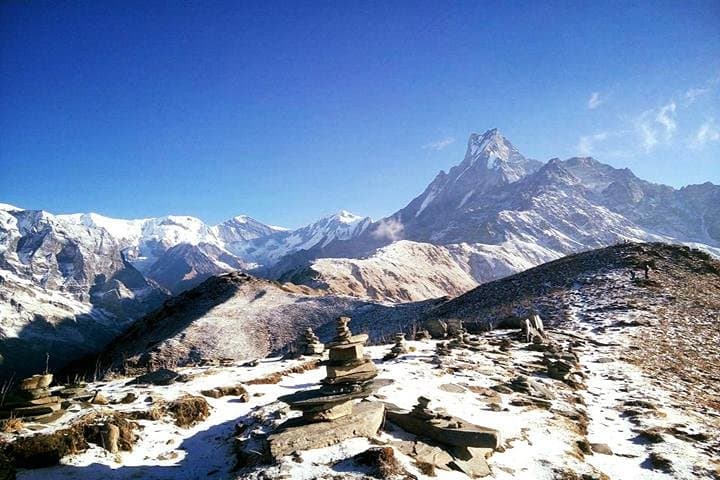
You step off the tourist bus in Pokhara and the air changes—thinner, cooler, threaded with pine and wood smoke. Over the next days the trail climbs out of terraced rice fields into dense rhododendron and oak forest; bird calls and the creak of pack straps replace traffic. By High Camp the valley opens to an unguarded stage: Annapurna South, Hiunchuli and the knife-edge of Machhapuchhre (Fishtail) command the skyline, while the south face of Mardi Himal looms close enough to study its ridges.
You step off the tourist bus in Pokhara and the air changes—thinner, cooler, threaded with pine and wood smoke. Over the next days the trail climbs out of terraced rice fields into dense rhododendron and oak forest; bird calls and the creak of pack straps replace traffic. By High Camp the valley opens to an unguarded stage: Annapurna South, Hiunchuli and the knife-edge of Machhapuchhre (Fishtail) command the skyline, while the south face of Mardi Himal looms close enough to study its ridges.
The route is recent on the trekking map, forged by local teahouses and hikers seeking solitude away from Annapurna Circuit crowds. Geologically the trail skirts the southern flanks of the Annapurna massif—granite and metamorphic rock uplifted by the collision of the Indian and Eurasian plates—and gains altitude quickly, moving through culturally distinct Gurung villages where traditional stone houses and terraced fields remain part of daily life.
Practical guide: typical itineraries run 6–9 days with the highest walking point around 4,500 m (Mardi Himal Base Camp) and regular camping/lodge stops at 2,100–3,580 m. Expect steep, rocky sections and single-track ascents that require steady footing; daylight hiking windows and early starts maximize views and reduce afternoon cloud. Carry layered insulation for alpine nights, a rain shell for surprise squalls, and enough cash for remote teahouses. Permits (ACAP and TIMS) are required; guides and porters are widely available and recommended if you’re managing altitude or heavy packs.
Timing your trek—spring and autumn for clear skies—will reward you with long ranges and quiet trails.