THE ADVENTURE COLLECTIVE® · Independent discovery and booking for outdoor travel

A quieter alternative in the Annapurna region, the Mardi Himal Trek climbs through rhododendron forests to high alpine camps with unobstructed views of Machapuchare and Annapurna peaks. This guide covers what to expect on trail and how to prepare.
A quieter alternative in the Annapurna region, the Mardi Himal Trek climbs through rhododendron forests to high alpine camps with unobstructed views of Machapuchare and Annapurna peaks. This guide covers what to expect on trail and how to prepare.
The trail opens with a slow climb out of Pokhara’s humid valley into rhododendron forests that seem to lean in, as if watching you pass. Early mornings feel sharp and thin; the ridgelines unclothe themselves in cold light and the south face of Machapuchare appears suddenly, a serrated silhouette daring you forward.
Verified experiences and guided adventures in the surrounding area.
Operated by Moonline Tours · Pokhara, Gandaki Province
The trail opens with a slow climb out of Pokhara’s humid valley into rhododendron forests that seem to lean in, as if watching you pass. Early mornings feel sharp and thin; the ridgelines unclothe themselves in cold light and the south face of Machapuchare appears suddenly, a serrated silhouette daring you forward.
Mardi Himal is a recent addition to the Annapurna circuit of routes, developed to offer a quieter vantage of classic peaks. Geologically the trek crosses young Himalaya fold belts—steep schists and metamorphics that give way to scree and alpine moraine above treeline. Cultural notes are plain and human: Gurung and Magar villages, tea houses with iron kettles and carved prayer wheels, and small lodges built in the last decade to support steady but low-volume tourism.
Expect a varied trail: narrow village tracks, steep stone staircases, and exposed high camps where wind shapes the landscape. Wildlife is subtle—Himalayan pheasants and barking deer are more likely than snow leopard sightings—but the forest hums with bird calls.
Practical guidance: acclimatize slowly—start in Pokhara and allow at least two nights below 2,500 m before pushing higher. Footwear needs to handle steep, often muddy trails; gaiters are useful in spring melt. Water is available at lodges, but carry a filter or tablets. Plan for big temperature swings: cold nights at high camp, sun on exposed ridges by day. The full itinerary runs roughly 10–11 days door-to-door, with several 4–7 hour trekking days and a high point near 4,500 m. With basic high-altitude experience and steady fitness, Mardi Himal delivers alpine views with fewer crowds than neighboring routes.
challenging.
10–11 days.
Good cardiovascular fitness with experience on multi-day hikes and some high-altitude exposure is recommended
Late autumn (October–November) and spring (March–April) offer the most stable weather and clear mountain views; spring also has rhododendron blooms.
No—this is a trekking route without glacier travel or technical climbing, so no ropes or crampons are required under normal conditions.
The upper viewpoint and base camp areas reach roughly 4,200–4,500 meters, depending on the itinerary you follow.
Yes—recently built tea houses and small lodges provide basic meals and beds on most nights; expect simple facilities at higher camps.
Mardi Himal opened to trekkers in the 2010s as a low-traffic alternative inside the Annapurna Conservation Area, routed through traditional Gurung and Magar settlements.
The route passes through the Annapurna Conservation Area; stick to established trails, minimize single-use plastics, and respect lodge waste policies to reduce your footprint.
Moonline Tours operates guided outdoor trips and adventures with an emphasis on safety, stewardship, and memorable experiences.
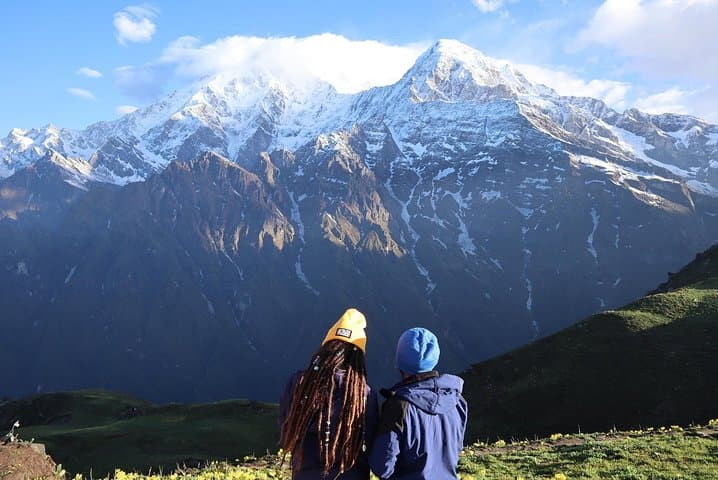
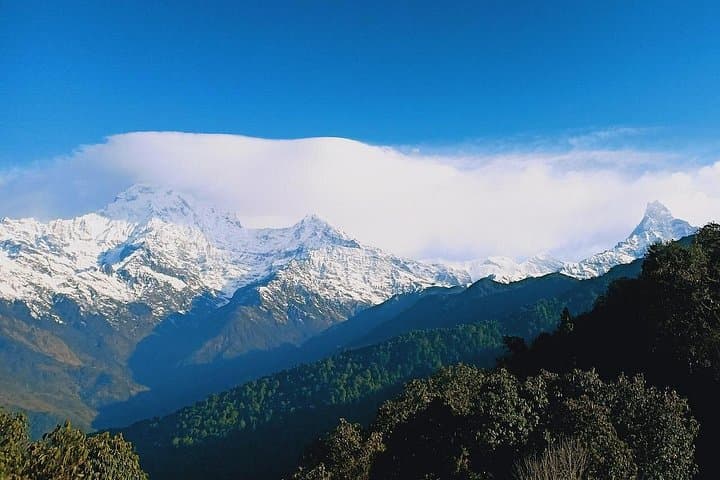
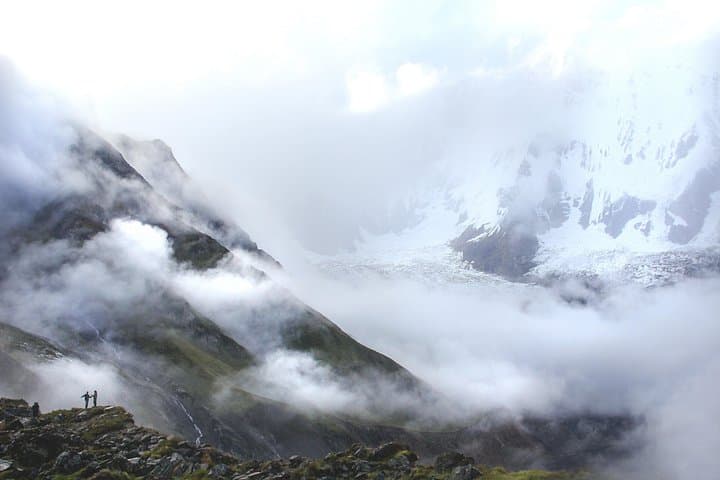
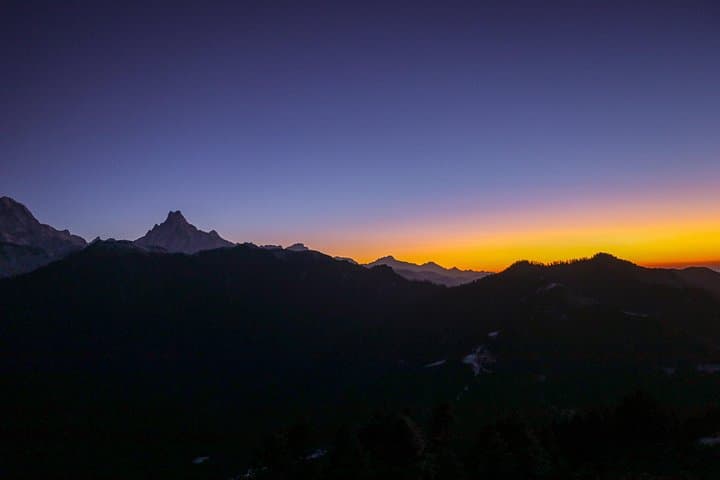
The trail opens with a slow climb out of Pokhara’s humid valley into rhododendron forests that seem to lean in, as if watching you pass. Early mornings feel sharp and thin; the ridgelines unclothe themselves in cold light and the south face of Machapuchare appears suddenly, a serrated silhouette daring you forward.
The trail opens with a slow climb out of Pokhara’s humid valley into rhododendron forests that seem to lean in, as if watching you pass. Early mornings feel sharp and thin; the ridgelines unclothe themselves in cold light and the south face of Machapuchare appears suddenly, a serrated silhouette daring you forward.
Mardi Himal is a recent addition to the Annapurna circuit of routes, developed to offer a quieter vantage of classic peaks. Geologically the trek crosses young Himalaya fold belts—steep schists and metamorphics that give way to scree and alpine moraine above treeline. Cultural notes are plain and human: Gurung and Magar villages, tea houses with iron kettles and carved prayer wheels, and small lodges built in the last decade to support steady but low-volume tourism.
Expect a varied trail: narrow village tracks, steep stone staircases, and exposed high camps where wind shapes the landscape. Wildlife is subtle—Himalayan pheasants and barking deer are more likely than snow leopard sightings—but the forest hums with bird calls.
Practical guidance: acclimatize slowly—start in Pokhara and allow at least two nights below 2,500 m before pushing higher. Footwear needs to handle steep, often muddy trails; gaiters are useful in spring melt. Water is available at lodges, but carry a filter or tablets. Plan for big temperature swings: cold nights at high camp, sun on exposed ridges by day. The full itinerary runs roughly 10–11 days door-to-door, with several 4–7 hour trekking days and a high point near 4,500 m. With basic high-altitude experience and steady fitness, Mardi Himal delivers alpine views with fewer crowds than neighboring routes.