THE ADVENTURE COLLECTIVE® · Independent discovery and booking for outdoor travel

A quiet seven-day trek from Kande to Mardi Himal Base Camp offers sweeping views of Machhapuchhre and the Annapurna range, running through rhododendron forests, Gurung villages, and alpine ridges. Ideal for trekkers seeking solitude and big-mountain panoramas with teahouse support.
A quiet seven-day trek from Kande to Mardi Himal Base Camp offers sweeping views of Machhapuchhre and the Annapurna range, running through rhododendron forests, Gurung villages, and alpine ridges. Ideal for trekkers seeking solitude and big-mountain panoramas with teahouse support.
You shoulder your pack at Kande as morning light trims the Annapurna range; the trail slips immediately into rhododendron and oak, the forest breathing scent of damp earth and resin.
Verified experiences and guided adventures in the surrounding area.
Operated by Asian Heritage Treks and Travels · Pokhara, Gandaki Province
You shoulder your pack at Kande as morning light trims the Annapurna range; the trail slips immediately into rhododendron and oak, the forest breathing scent of damp earth and resin.
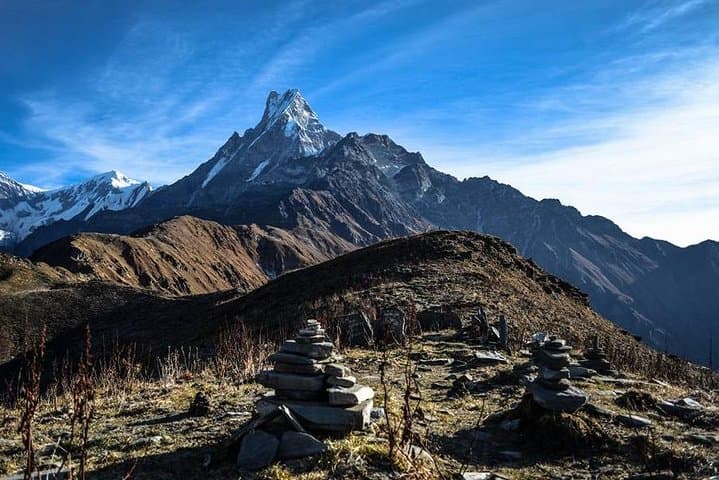
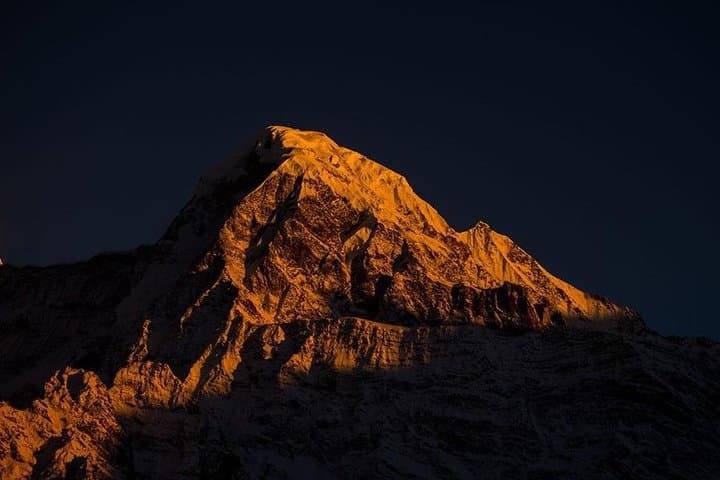
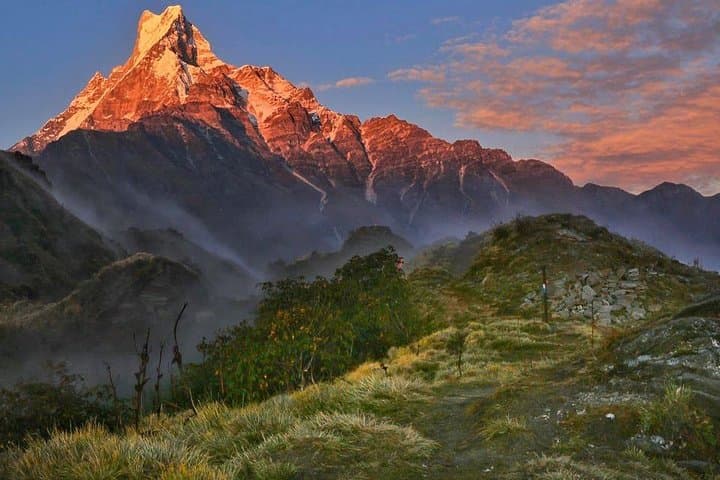
This seven-day clockwise route follows village trails and high ridgelines to Mardi Himal Base Camp (around 4,500 m). Geologically the approach moves from river valleys carved by glacial melt to brittle moraine and alpine pasture; the foothills here are part of the southern flanks of the Annapurna massif and give staggered, unobstructed views of Fishtail (Machhapuchhre), Annapurna South and distant Dhaulagiri. Culturally the trail threads Gurung and Ghale villages—Lwang and smaller settlements—where stone houses, terraced fields, and organic food remain part of daily life.
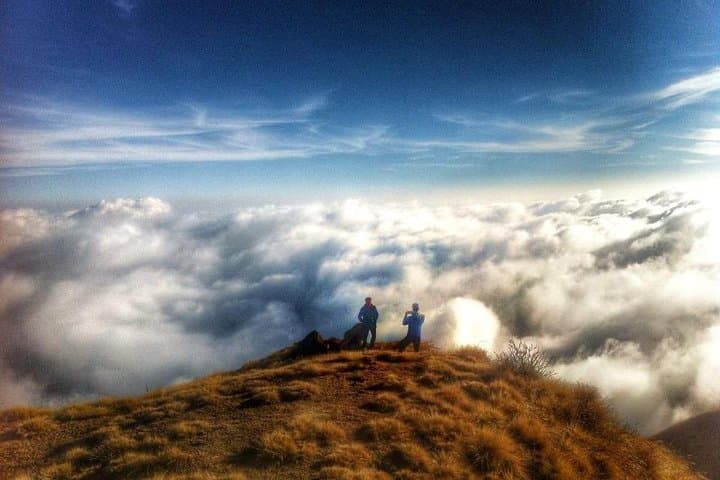
Expect narrow, sometimes rocky singletrack, steady ridge climbs, and sudden treeline breaks at ~3,300–3,550 m where rhododendron yields to dwarf shrubs and scree. Daily hiking is 3–7 hours with one long summit-style day to MBC; elevations by night progress roughly: Pothana 2,006 m → Forest Camp 2,600 m → Low Camp 2,950 m → High Camp 3,550 m → Base Camp ~4,500 m before descending to Lwang and back to Pokhara.
Permits (ACAP, TIMS), a licensed guide, and basic teahouse lodging are standard. Plan for variable weather—sun and high UV by day; freezing winds above 3,500 m. Hydrate, pace for altitude, carry layers and a reliable pair of boots. The Mardi Himal trek rewards hikers who want solitude and raw Himalayan panorama without the Annapurna Circuit’s crowds.
moderate.
6–7 days.
Good aerobic base and ability to hike 4–7 hours with sustained climbs; comfortable on uneven terrain.
Yes—ACAP and TIMS permits are required and typically handled by your operator or guide before the trek.
The ascent is a sustained high-elevation hike with several steep stretches; physically challenging but non-technical—expect long hill climbs and rocky ridge walking to ~4,500 m.
Yes—basic teahouses provide rooms and meals along the route; accommodations are simple and can be cold at altitude.
Fall (Sept–Nov) and spring (Mar–May) offer the best visibility and stable conditions; avoid monsoon season if you want dry trails and clear views.
The Mardi region lies on traditional Gurung lands; villages along the trail maintain terraced agriculture and communal stone architecture that reflect centuries of mountain life.
The trek passes through ACAP-managed zones where waste management and controlled camping protect fragile alpine meadows—choose local teahouses and pack out non-biodegradable waste.
Asian Heritage Treks and Travels operates guided outdoor trips and adventures with an emphasis on safety, stewardship, and memorable experiences.
You shoulder your pack at Kande as morning light trims the Annapurna range; the trail slips immediately into rhododendron and oak, the forest breathing scent of damp earth and resin.
You shoulder your pack at Kande as morning light trims the Annapurna range; the trail slips immediately into rhododendron and oak, the forest breathing scent of damp earth and resin.
This seven-day clockwise route follows village trails and high ridgelines to Mardi Himal Base Camp (around 4,500 m). Geologically the approach moves from river valleys carved by glacial melt to brittle moraine and alpine pasture; the foothills here are part of the southern flanks of the Annapurna massif and give staggered, unobstructed views of Fishtail (Machhapuchhre), Annapurna South and distant Dhaulagiri. Culturally the trail threads Gurung and Ghale villages—Lwang and smaller settlements—where stone houses, terraced fields, and organic food remain part of daily life.
Expect narrow, sometimes rocky singletrack, steady ridge climbs, and sudden treeline breaks at ~3,300–3,550 m where rhododendron yields to dwarf shrubs and scree. Daily hiking is 3–7 hours with one long summit-style day to MBC; elevations by night progress roughly: Pothana 2,006 m → Forest Camp 2,600 m → Low Camp 2,950 m → High Camp 3,550 m → Base Camp ~4,500 m before descending to Lwang and back to Pokhara.
Permits (ACAP, TIMS), a licensed guide, and basic teahouse lodging are standard. Plan for variable weather—sun and high UV by day; freezing winds above 3,500 m. Hydrate, pace for altitude, carry layers and a reliable pair of boots. The Mardi Himal trek rewards hikers who want solitude and raw Himalayan panorama without the Annapurna Circuit’s crowds.