THE ADVENTURE COLLECTIVE® · Independent discovery and booking for outdoor travel

A quieter alternative to the busy Annapurna circuits, the Mardi Himal Trek is a 7‑day tea‑house route that climbs from forests to alpine meadows and a dramatic upper viewpoint beneath Machapuchare. Expect steep pitches, clear mountain mornings, and intimate Himalayan panoramas.
A quieter alternative to the busy Annapurna circuits, the Mardi Himal Trek is a 7‑day tea‑house route that climbs from forests to alpine meadows and a dramatic upper viewpoint beneath Machapuchare. Expect steep pitches, clear mountain mornings, and intimate Himalayan panoramas.
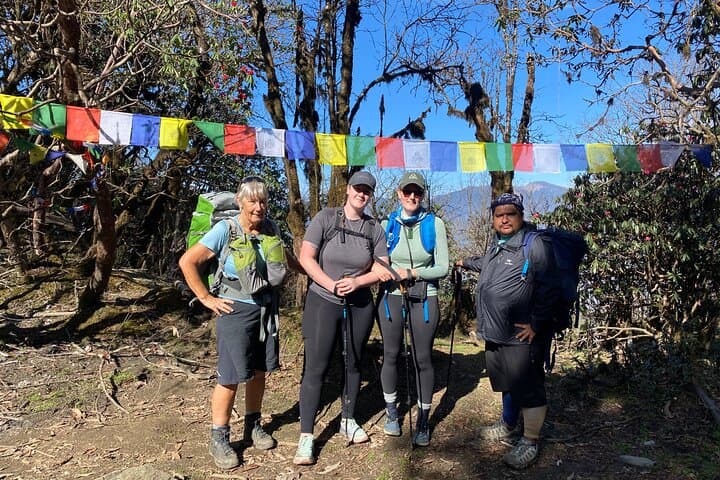
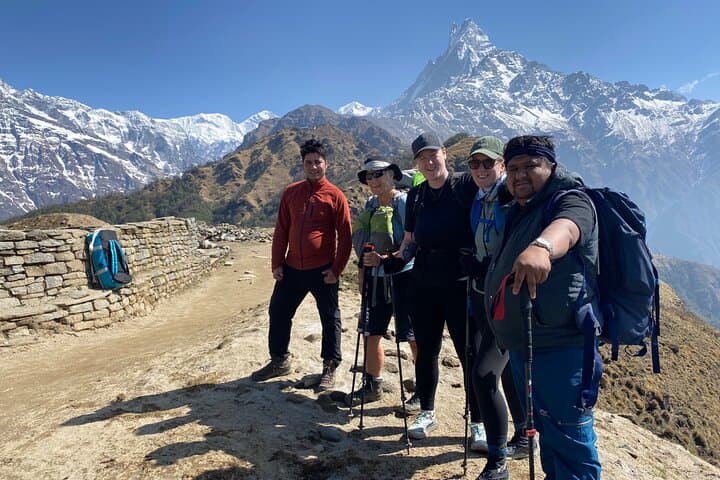
Morning light slices across terraced fields as walkers leave Kande and follow a narrow ribbon of trail that climbs into rhododendron and oak. The path tightens, birds call from high branches, and the massif of Machapuchare (Fishtail) gradually unfurls above the tree line; by high camp the mountains sit close enough to touch with the eye.
Verified experiences and guided adventures in the surrounding area.
Operated by Magic Himalaya Treks · Pokhara, Gandaki Province
Morning light slices across terraced fields as walkers leave Kande and follow a narrow ribbon of trail that climbs into rhododendron and oak. The path tightens, birds call from high branches, and the massif of Machapuchare (Fishtail) gradually unfurls above the tree line; by high camp the mountains sit close enough to touch with the eye.
The route crosses landscapes shaped by glaciers and monsoon rhythms—forested lower slopes give way to alpine meadows that were once summer grazing for local shepherds. The Annapurna region is home to Gurung and Magar communities whose village trails became the tea-house network now used by trekkers; Machapuchare remains culturally protected and unclimbed. Geologically the range is young and steep, carved by uplift and repeated glaciation, which creates the sweeping south faces visible from the Mardi Upper Viewpoint.
Practically, this is a moderate multi-day trek best done with local guides and permits issued under the Annapurna Conservation Area. Trekkers should expect 5–6 days of walking, steep sections above 3,000 m, and sudden weather swings—clear dawns can turn to snow or wind by afternoon. Carry layered clothing, a warm sleeping jacket, and a basic first-aid kit; footwear with good grip matters on narrow, sometimes muddy trails. Hydration and gradual ascent reduce altitude risk; tea houses provide simple meals and shelter but limited power and hot-water windows.
For travelers after big Himalayan views without the crowds of main circuits, Mardi Himal offers close-range panoramas of Annapurna I, Hiunchuli, Annapurna South and Machapuchare, delivered across manageable days and comfortable village stays.
moderate.
6–8 days.
Moderate fitness with regular aerobic activity; comfortable with sustained uphill walking and carrying a daypack.
Yes—you need the TIMS card and Annapurna Conservation Area permit, typically arranged by your guide or trekking operator.
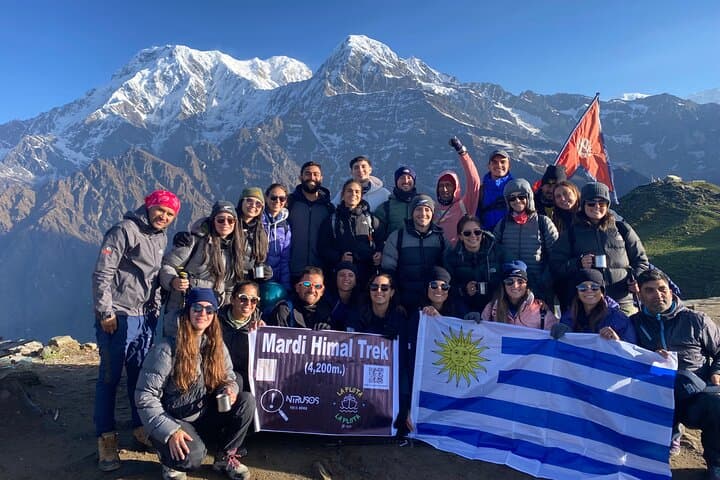
The Upper Viewpoint is around 4,250 m; the trek spends nights at camps between ~2,100–3,540 m so altitude acclimatization is important.
Tea houses provide basic Nepali and boiled water; bring water purification tablets or a filter if you prefer extra safety and avoid single-use plastic bottles.
Spring (March–May) and fall (September–November) offer the clearest mountain views and stable weather, while monsoon brings heavy rain and winter can be cold with snow at high camps.
The trail runs through traditional Gurung communities in the Annapurna Conservation Area; Machapuchare is considered sacred and remains officially unclimbed.
The trek falls inside the Annapurna Conservation Area—respect marked trails, carry out waste where possible, and support local tea houses to keep economic benefits local.
Magic Himalaya Treks operates guided outdoor trips and adventures with an emphasis on safety, stewardship, and memorable experiences.

Morning light slices across terraced fields as walkers leave Kande and follow a narrow ribbon of trail that climbs into rhododendron and oak. The path tightens, birds call from high branches, and the massif of Machapuchare (Fishtail) gradually unfurls above the tree line; by high camp the mountains sit close enough to touch with the eye.
Morning light slices across terraced fields as walkers leave Kande and follow a narrow ribbon of trail that climbs into rhododendron and oak. The path tightens, birds call from high branches, and the massif of Machapuchare (Fishtail) gradually unfurls above the tree line; by high camp the mountains sit close enough to touch with the eye.
The route crosses landscapes shaped by glaciers and monsoon rhythms—forested lower slopes give way to alpine meadows that were once summer grazing for local shepherds. The Annapurna region is home to Gurung and Magar communities whose village trails became the tea-house network now used by trekkers; Machapuchare remains culturally protected and unclimbed. Geologically the range is young and steep, carved by uplift and repeated glaciation, which creates the sweeping south faces visible from the Mardi Upper Viewpoint.
Practically, this is a moderate multi-day trek best done with local guides and permits issued under the Annapurna Conservation Area. Trekkers should expect 5–6 days of walking, steep sections above 3,000 m, and sudden weather swings—clear dawns can turn to snow or wind by afternoon. Carry layered clothing, a warm sleeping jacket, and a basic first-aid kit; footwear with good grip matters on narrow, sometimes muddy trails. Hydration and gradual ascent reduce altitude risk; tea houses provide simple meals and shelter but limited power and hot-water windows.
For travelers after big Himalayan views without the crowds of main circuits, Mardi Himal offers close-range panoramas of Annapurna I, Hiunchuli, Annapurna South and Machapuchare, delivered across manageable days and comfortable village stays.