THE ADVENTURE COLLECTIVE® · Independent discovery and booking for outdoor travel

A quieter seven-day alternative to the popular Annapurna circuits, the Mardi Himal Trek delivers high alpine views, teahouse nights and local village culture. This guide explains what to expect on the route from Pokhara and how to prepare.
A quieter seven-day alternative to the popular Annapurna circuits, the Mardi Himal Trek delivers high alpine views, teahouse nights and local village culture. This guide explains what to expect on the route from Pokhara and how to prepare.
A cold morning light slices across the Annapurna range as you leave Lakeside Pokhara and climb toward Kande. The trail narrows to single-track through pine and rhododendron, then opens to ridgetop vistas where Dhaulagiri, Annapurna South and Machapuchare arrange themselves like a mountain jury. This is Mardi Himal: a newer, quieter route that rewards those willing to trade crowds for raw alpine perspective.
Verified experiences and guided adventures in the surrounding area.
Operated by Himalayan Advisor Pvt. Ltd. · Pokhara, Gandaki Province
A cold morning light slices across the Annapurna range as you leave Lakeside Pokhara and climb toward Kande. The trail narrows to single-track through pine and rhododendron, then opens to ridgetop vistas where Dhaulagiri, Annapurna South and Machapuchare arrange themselves like a mountain jury. This is Mardi Himal: a newer, quieter route that rewards those willing to trade crowds for raw alpine perspective.
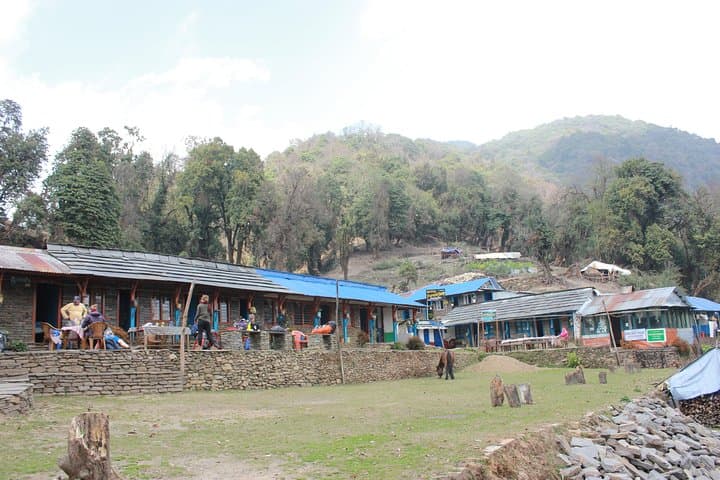
Geology here is dramatic — steep valleys carved by glacial action, moraine shoulders and sharp ridgelines formed from uplifted Himalayan thrust sheets. Culturally the route threads through Gurung and Magar villages; teahouses and homestays reflect local hospitality and simple mountain life. Mardi’s popularity has grown only in recent years, so you’ll still find sections of trail that feel freshly made, with basic lodgings at Forest Camp, High Camp and Badal Danda.
Expect seven days of steady ascent and descent: first day gains to ~2,060 m, a push above the tree line to 3,580 m, and a summit-day feel at Mardi Base Camp near 4,500 m before descending to Long Valley. Daily trekking runs 4–8 hours over mixed dirt tracks, stone steps and scree near the high camps.
Practical guidance: acclimatize, carry water treatment and sturdy boots, and plan for cold nights — teahouse blankets help but don’t rely on them. Permits for Annapurna Conservation Area are required; this itinerary typically includes guide, porter and teahouse accommodation. Aim for early starts to catch clear mountain light and avoid afternoon cloud build-up. Move deliberately, respect local customs, and leave no trace to keep Mardi’s trails open and wild for others.
moderate.
7 days.
Moderate fitness with regular cardio and hill training; comfortable walking 4–8 hours on uneven ground is required.
Yes — trekking in the Annapurna region requires Annapurna Conservation Area Project (ACAP) permits and trekking permits (TIMS); many operators include these in the package.
Temperatures at 4,500 m can drop below freezing at night, often -5°C to -15°C in winter; bring warm layers and a thermal liner for teahouses if you sleep cold.
Teahouses are basic but functional — private rooms with shared bathrooms, simple hot meals, and blankets; standards improve in lower villages and are rustic at higher camps.
Experienced trekkers can go independently but local guides simplify navigation, handle permits, and improve safety and cultural interactions on this newer route.
Mardi Himal is a relatively recent development compared with classic Annapurna routes; local communities have opened teahouses and homestays in the last decade to support trekking trade.
The route lies within the Annapurna Conservation Area — follow leave-no-trace principles, avoid single-use plastics and support local tea houses to minimize environmental impact.
Himalayan Advisor Pvt. Ltd. operates guided outdoor trips and adventures with an emphasis on safety, stewardship, and memorable experiences.
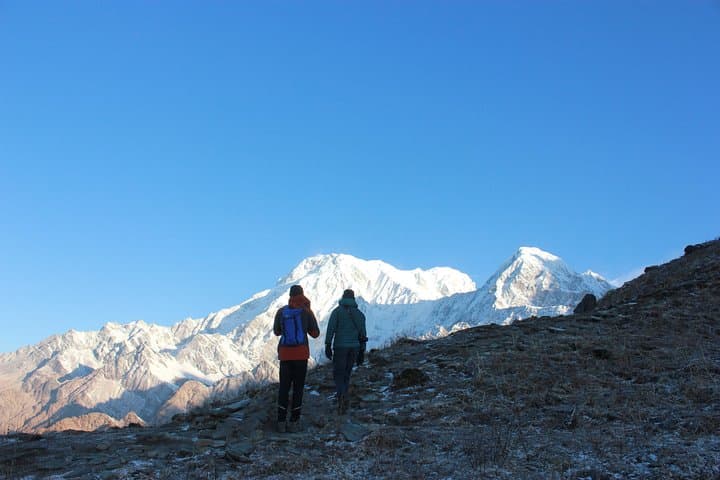
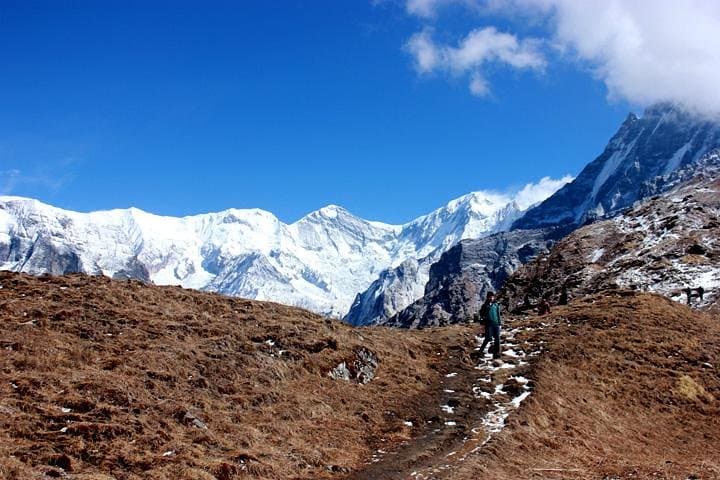
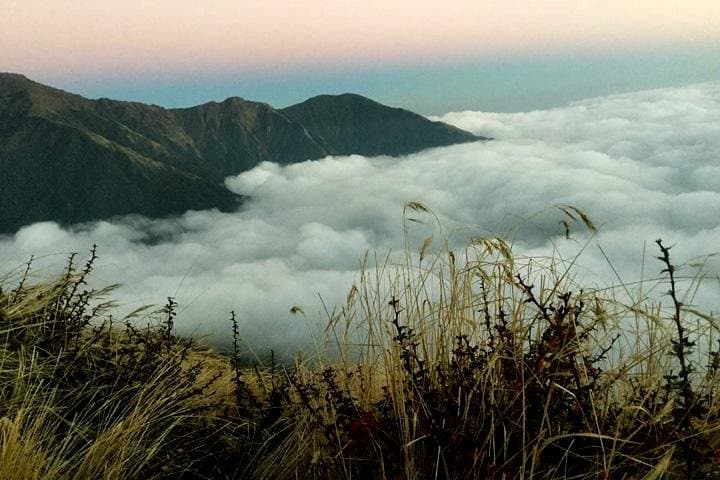
A cold morning light slices across the Annapurna range as you leave Lakeside Pokhara and climb toward Kande. The trail narrows to single-track through pine and rhododendron, then opens to ridgetop vistas where Dhaulagiri, Annapurna South and Machapuchare arrange themselves like a mountain jury. This is Mardi Himal: a newer, quieter route that rewards those willing to trade crowds for raw alpine perspective.
A cold morning light slices across the Annapurna range as you leave Lakeside Pokhara and climb toward Kande. The trail narrows to single-track through pine and rhododendron, then opens to ridgetop vistas where Dhaulagiri, Annapurna South and Machapuchare arrange themselves like a mountain jury. This is Mardi Himal: a newer, quieter route that rewards those willing to trade crowds for raw alpine perspective.
Geology here is dramatic — steep valleys carved by glacial action, moraine shoulders and sharp ridgelines formed from uplifted Himalayan thrust sheets. Culturally the route threads through Gurung and Magar villages; teahouses and homestays reflect local hospitality and simple mountain life. Mardi’s popularity has grown only in recent years, so you’ll still find sections of trail that feel freshly made, with basic lodgings at Forest Camp, High Camp and Badal Danda.
Expect seven days of steady ascent and descent: first day gains to ~2,060 m, a push above the tree line to 3,580 m, and a summit-day feel at Mardi Base Camp near 4,500 m before descending to Long Valley. Daily trekking runs 4–8 hours over mixed dirt tracks, stone steps and scree near the high camps.
Practical guidance: acclimatize, carry water treatment and sturdy boots, and plan for cold nights — teahouse blankets help but don’t rely on them. Permits for Annapurna Conservation Area are required; this itinerary typically includes guide, porter and teahouse accommodation. Aim for early starts to catch clear mountain light and avoid afternoon cloud build-up. Move deliberately, respect local customs, and leave no trace to keep Mardi’s trails open and wild for others.