THE ADVENTURE COLLECTIVE® · Independent discovery and booking for outdoor travel

Pair a quieter Annapurna trek with a classic Terai jungle safari: high ridge views of Machapuchare, rhododendron forests, and a lowland search for one-horned rhinos. This 7-day package moves from mountain solitude to riverside wildlife in one itinerary.
Pair a quieter Annapurna trek with a classic Terai jungle safari: high ridge views of Machapuchare, rhododendron forests, and a lowland search for one-horned rhinos. This 7-day package moves from mountain solitude to riverside wildlife in one itinerary.
You step out before sunrise on a narrow ridge above the Rhododendron and the first light pins Machapuchare — the Fishtail — in silver. The trail rises and narrows, pine needles and loose scree giving way to grassy alpine bowls where the wind seems to push you toward the range.
Verified experiences and guided adventures in the surrounding area.
Operated by CAN Travels · Pokhara, Gandaki Province
You step out before sunrise on a narrow ridge above the Rhododendron and the first light pins Machapuchare — the Fishtail — in silver. The trail rises and narrows, pine needles and loose scree giving way to grassy alpine bowls where the wind seems to push you toward the range.
The Mardi Himal route is a relatively new, less-crowded approach into the Annapurna southern flanks. Geologically, the path runs along uplifted Himalayan foothills carved by glacial melt and seasonal monsoon erosion; you’ll pass oak and hemlock in lower slopes and alpine meadows above 3,200 m. The cultural thread is Sherpa and Gurung village life—terraced fields, mani stones, and simple teahouses that have supported trekkers for decades.
By mid-trip you melt out of mountain air into lakeside Pokhara—an easy contrast before a long transfer to Chitwan’s Terai plains. In Chitwan, the landscape flattens into floodplain forest where the Rapti River and grasslands harbor one-horned rhinos, crocodiles, and abundant birdlife.
Practical guidance: plan for variable weather, carry layers for pre-dawn ridge walks, and expect steep, rocky ascents to High Camp and Mardi Base (often icy in shoulder seasons). Acclimatize—ascents to 4,500 m come fast—and budget time for the Pokhara transfers and an overnight buffer after trekking. Lodges on the trek are basic but warm; jungle lodges near Chitwan offer guided canoe and jeep safaris. Hydrate regularly, wear broken-in boots with good tread, and pack a compact first-aid kit and rain protection. This trip blends high-altitude perspectives with lowland wildlife, rewarding both hikers and nature lovers willing to carry the pace.
moderate.
7 days.
Moderate fitness required: ability to hike 4–6 hours on uneven trails with occasional steep sections and some days reaching high altitude.
The trek is moderate: trails are sometimes steep with uneven terrain, and the highest point (around 4,500 m for Mardi Base views) requires acclimatization and steady pacing.
Teahouse-style guest houses on the trek provide basic private rooms and shared facilities; Pokhara and Chitwan lodging are 2-star comfort with included meals as listed.
Yes—Annapurna Conservation Area Project (ACAP) permits are required and the tour provides an experienced English-speaking guide as part of the package.
Not recommended for very young children, pregnant travelers, or people with serious cardiovascular or spinal conditions due to altitude and trail conditions; consult your doctor before booking.
The Annapurna region has long been inhabited by Gurung and Magar communities; modern trekking grew after conservation corridors and trail infrastructure expanded in the late 20th century.
ACAP regulates trekking permits and local lodges follow guidelines to minimize waste; in Chitwan, park-managed safari zones and community forestry projects help balance tourism with wildlife protection.
CAN Travels operates guided outdoor trips and adventures with an emphasis on safety, stewardship, and memorable experiences.
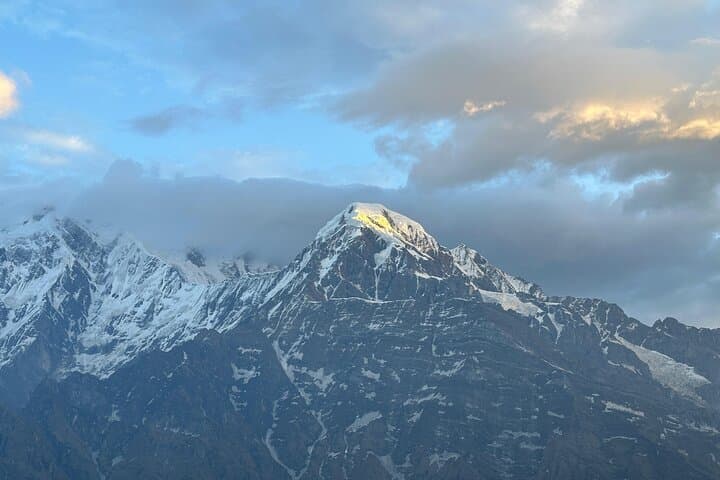
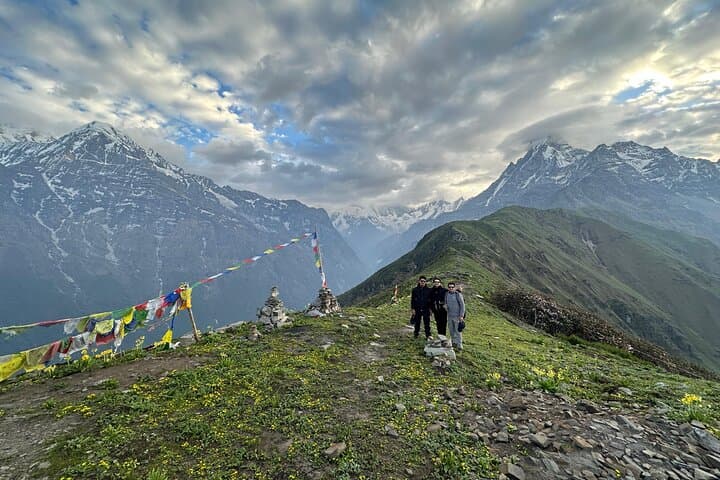
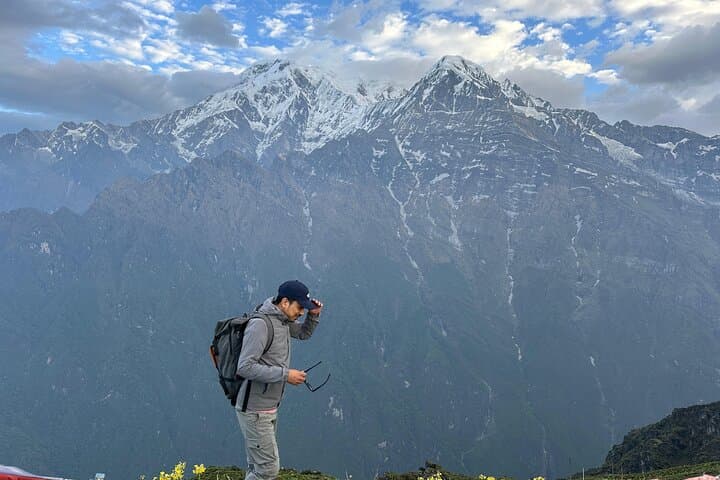
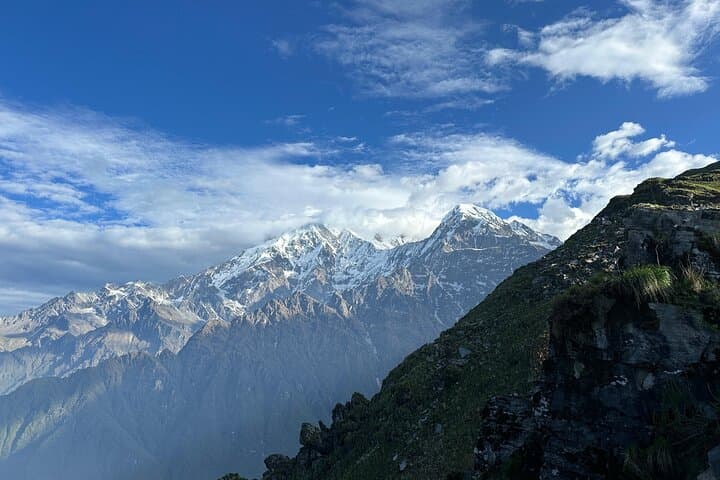
You step out before sunrise on a narrow ridge above the Rhododendron and the first light pins Machapuchare — the Fishtail — in silver. The trail rises and narrows, pine needles and loose scree giving way to grassy alpine bowls where the wind seems to push you toward the range.
You step out before sunrise on a narrow ridge above the Rhododendron and the first light pins Machapuchare — the Fishtail — in silver. The trail rises and narrows, pine needles and loose scree giving way to grassy alpine bowls where the wind seems to push you toward the range.
The Mardi Himal route is a relatively new, less-crowded approach into the Annapurna southern flanks. Geologically, the path runs along uplifted Himalayan foothills carved by glacial melt and seasonal monsoon erosion; you’ll pass oak and hemlock in lower slopes and alpine meadows above 3,200 m. The cultural thread is Sherpa and Gurung village life—terraced fields, mani stones, and simple teahouses that have supported trekkers for decades.
By mid-trip you melt out of mountain air into lakeside Pokhara—an easy contrast before a long transfer to Chitwan’s Terai plains. In Chitwan, the landscape flattens into floodplain forest where the Rapti River and grasslands harbor one-horned rhinos, crocodiles, and abundant birdlife.
Practical guidance: plan for variable weather, carry layers for pre-dawn ridge walks, and expect steep, rocky ascents to High Camp and Mardi Base (often icy in shoulder seasons). Acclimatize—ascents to 4,500 m come fast—and budget time for the Pokhara transfers and an overnight buffer after trekking. Lodges on the trek are basic but warm; jungle lodges near Chitwan offer guided canoe and jeep safaris. Hydrate regularly, wear broken-in boots with good tread, and pack a compact first-aid kit and rain protection. This trip blends high-altitude perspectives with lowland wildlife, rewarding both hikers and nature lovers willing to carry the pace.