THE ADVENTURE COLLECTIVE® · Independent discovery and booking for outdoor travel

A compact Himalayan trek from Phedi to Mardi Himal Base offers dramatic Annapurna views, rhododendron forests, and lodge-to-lodge overnighting. Expect steady climbs, high viewpoints near 4,400–4,500 m, and culturally rich villages along the route.
A compact Himalayan trek from Phedi to Mardi Himal Base offers dramatic Annapurna views, rhododendron forests, and lodge-to-lodge overnighting. Expect steady climbs, high viewpoints near 4,400–4,500 m, and culturally rich villages along the route.
The trail opens before dawn at Phedi: prayer flags stitch the first light to a ridge, and a cool wind teases the trail into motion. Hikers climb through oak and rhododendron, then into a high, thin air where Machhapuchhre—the fishtail peak—dominates the horizon. By the Mardi Himal viewpoint the Annapurna massif fills the skyline; it’s the kind of summit-line that reorients a day-to-day life.
Verified experiences and guided adventures in the surrounding area.
Operated by Mission Himalaya Trekking · Pokhara, Gandaki Province
The trail opens before dawn at Phedi: prayer flags stitch the first light to a ridge, and a cool wind teases the trail into motion. Hikers climb through oak and rhododendron, then into a high, thin air where Machhapuchhre—the fishtail peak—dominates the horizon. By the Mardi Himal viewpoint the Annapurna massif fills the skyline; it’s the kind of summit-line that reorients a day-to-day life.
The route follows traditional village tracks used by Gurung communities and shepherds, rising from roughly 1,400 m at Phedi to the Mardi Himal base-area (approaching 4,400–4,500 m). Geologically the corridor sits on uplifted Himalayan crust with steep moraine sections near the upper camps. The Annapurna Conservation Area (ACAP) governs access and supports local lodges that form the backbone of the trek economy.
Along the way the culture is visible in mani stones, terraced fields, and simple tea houses where local meals and storytelling warm evenings. Wildlife sightings can include colorful pheasants and shy mountain mammals in the quieter stretches.
Practical guidance: expect 4–7 hours of hiking per day across 35–45 km round-trip with cumulative elevation gain of ~3,000 m. Trails alternate firm dirt, stone steps, and rocky alpine sections—good boots and trekking poles matter. Altitude is the chief hazard: hydrate, pace ascents, and watch for headaches or nausea. Spring (rhododendrons) and autumn (clear views) are prime windows; monsoon months bring muddy trails and leeches. Lodges provide twin rooms and hot meals, but carry cash and a reliable down layer for cold nights.
moderate.
8–11 days.
Good cardiovascular fitness and comfort hiking 4–7 hours per day; prior multi-day hiking experience recommended
Yes—trekkers require ACAP (Annapurna Conservation Area Project) and TIMS permits; guides or operators usually arrange them before departure.
Autumn (Sept–Nov) and spring (Mar–May) offer the clearest views and best trail conditions; monsoon and deep winter are less reliable.
The upper viewpoint and base-area approach roughly 4,400–4,500 m; altitude sickness is a real risk—ascend gradually, hydrate, and descend if symptoms worsen.
Basic tea houses and lodges provide twin rooms, simple local and Western meals, and hot drinks—bring cash for extras and tips.
The trail passes through traditional Gurung communities and lies inside the Annapurna Conservation Area, Nepal’s first and largest conservation zone managed for both biodiversity and livelihoods.
ACAP regulates permits and fees that support trail maintenance and community conservation; minimize impact by staying on trail, packing out waste, and using established lodges.
Mission Himalaya Trekking operates guided outdoor trips and adventures with an emphasis on safety, stewardship, and memorable experiences.
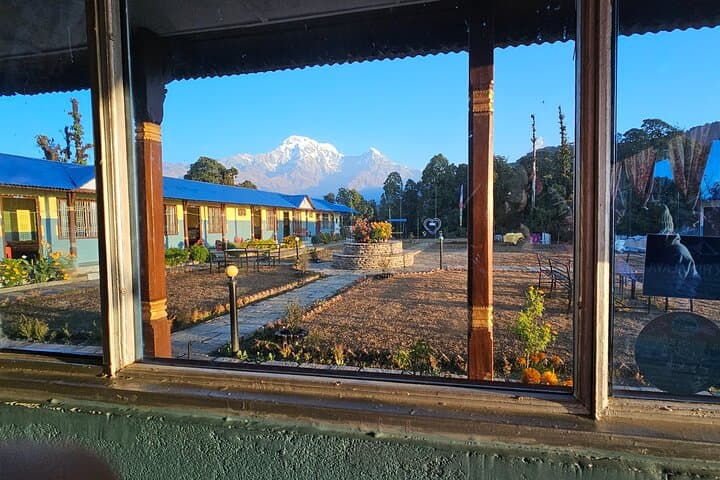
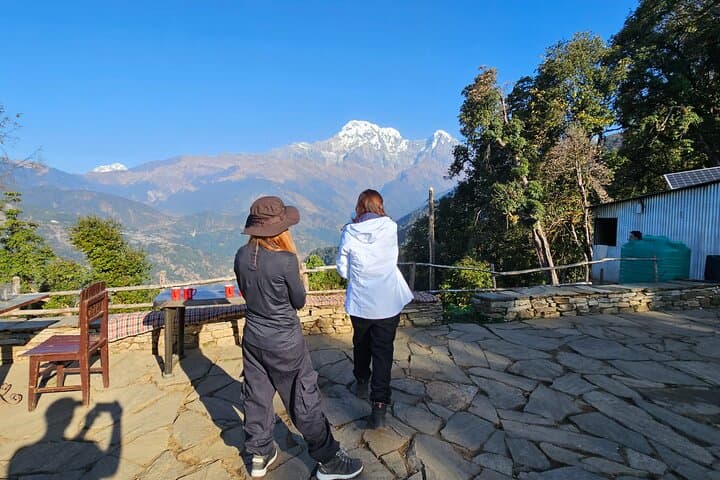
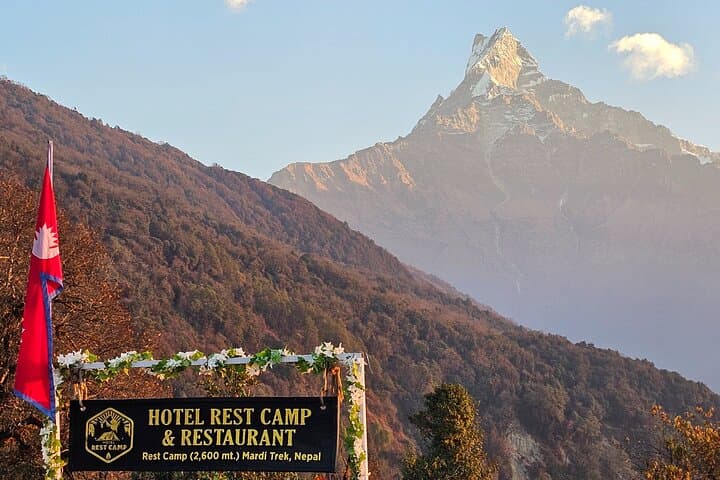
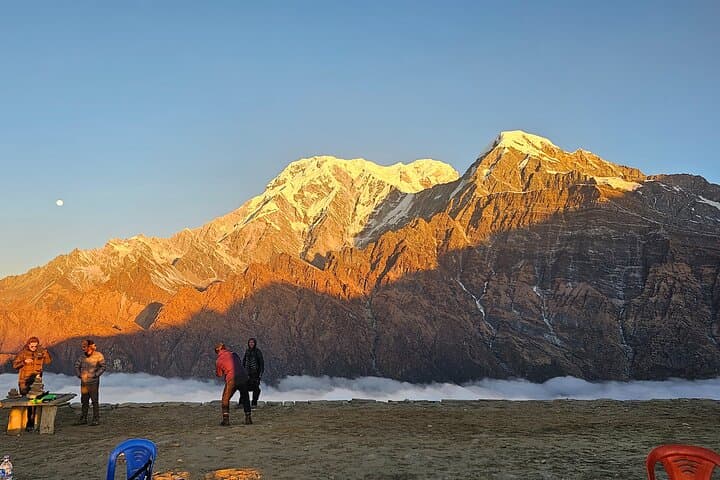
The trail opens before dawn at Phedi: prayer flags stitch the first light to a ridge, and a cool wind teases the trail into motion. Hikers climb through oak and rhododendron, then into a high, thin air where Machhapuchhre—the fishtail peak—dominates the horizon. By the Mardi Himal viewpoint the Annapurna massif fills the skyline; it’s the kind of summit-line that reorients a day-to-day life.
The trail opens before dawn at Phedi: prayer flags stitch the first light to a ridge, and a cool wind teases the trail into motion. Hikers climb through oak and rhododendron, then into a high, thin air where Machhapuchhre—the fishtail peak—dominates the horizon. By the Mardi Himal viewpoint the Annapurna massif fills the skyline; it’s the kind of summit-line that reorients a day-to-day life.
The route follows traditional village tracks used by Gurung communities and shepherds, rising from roughly 1,400 m at Phedi to the Mardi Himal base-area (approaching 4,400–4,500 m). Geologically the corridor sits on uplifted Himalayan crust with steep moraine sections near the upper camps. The Annapurna Conservation Area (ACAP) governs access and supports local lodges that form the backbone of the trek economy.
Along the way the culture is visible in mani stones, terraced fields, and simple tea houses where local meals and storytelling warm evenings. Wildlife sightings can include colorful pheasants and shy mountain mammals in the quieter stretches.
Practical guidance: expect 4–7 hours of hiking per day across 35–45 km round-trip with cumulative elevation gain of ~3,000 m. Trails alternate firm dirt, stone steps, and rocky alpine sections—good boots and trekking poles matter. Altitude is the chief hazard: hydrate, pace ascents, and watch for headaches or nausea. Spring (rhododendrons) and autumn (clear views) are prime windows; monsoon months bring muddy trails and leeches. Lodges provide twin rooms and hot meals, but carry cash and a reliable down layer for cold nights.