THE ADVENTURE COLLECTIVE® · Independent discovery and booking for outdoor travel

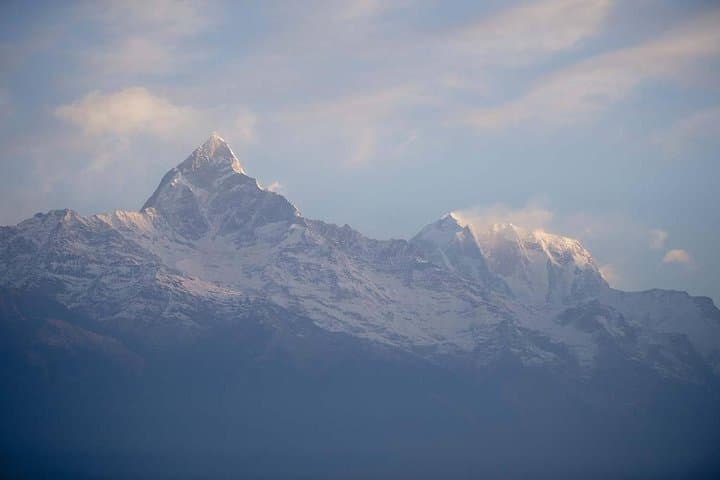
A quieter alternative to the popular Annapurna Circuit, the 12‑day Mardi Himal Trek climbs from rice terraces into cloud forests and high alpine ridges. Expect tea‑house nights, close views of Machhapuchare, and a steady climb rewarded by sweeping Annapurna panoramas.
A quieter alternative to the popular Annapurna Circuit, the 12‑day Mardi Himal Trek climbs from rice terraces into cloud forests and high alpine ridges. Expect tea‑house nights, close views of Machhapuchare, and a steady climb rewarded by sweeping Annapurna panoramas.
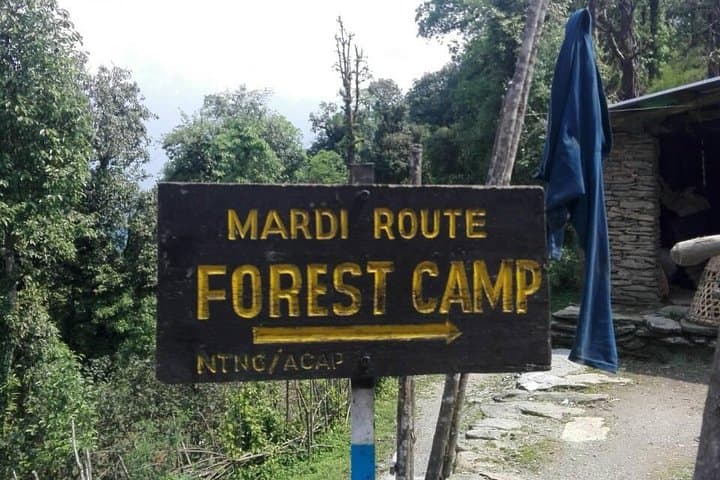
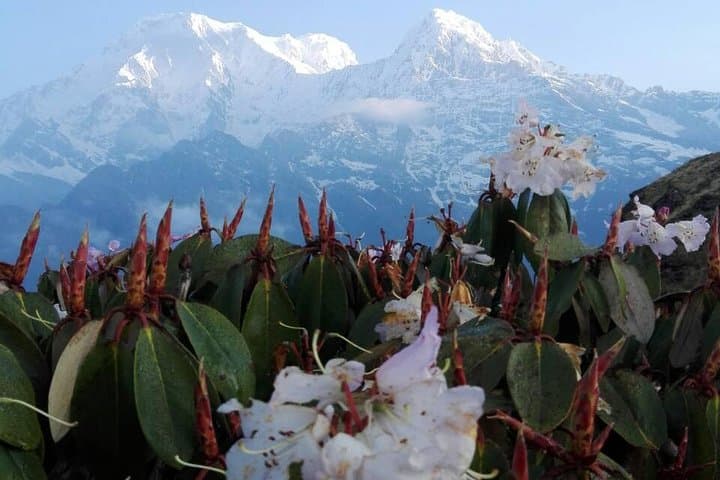
You leave Pokhara before dawn, the city lights dwindling as terraced fields slide past the vehicle window. The trail starts low, warm air thick with rice and wood smoke, then climbs into cool rhododendron forests where trunks lean and the path narrows. At each bend the mountains peer closer—Mardi and Machhapuchare press like neighbors at a fence, daring you forward.
Verified experiences and guided adventures in the surrounding area.
Operated by Eco Holidays Nepal · Pokhara, Gandaki Province
You leave Pokhara before dawn, the city lights dwindling as terraced fields slide past the vehicle window. The trail starts low, warm air thick with rice and wood smoke, then climbs into cool rhododendron forests where trunks lean and the path narrows. At each bend the mountains peer closer—Mardi and Machhapuchare press like neighbors at a fence, daring you forward.
The route threads through small Gurung and Magar villages whose stone houses and mani walls speak to a long mountain farming tradition. Geologically, you walk the edge of the Annapurna massif: ancient uplifted rock folded into sharp ridgelines, with high moraine and permanent snow above the tree line. The region sits inside the Annapurna Conservation Area, established to protect local ecology while supporting community-based tourism.
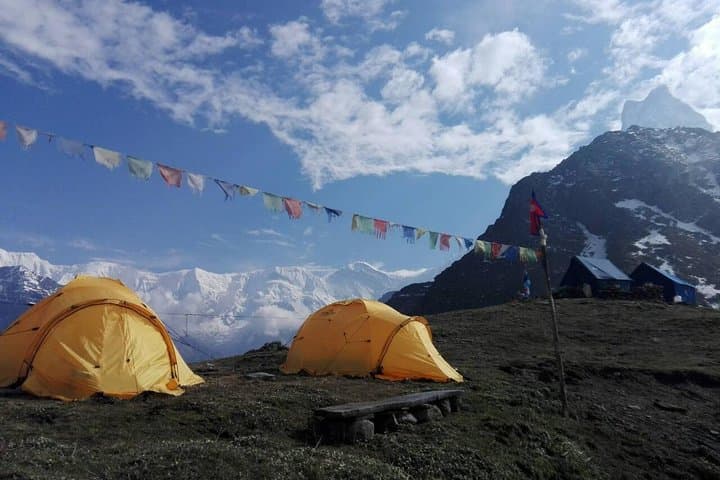
Expect tea houses and layered ecosystems—lowland rice terraces, oak-rhododendron woods, then alpine dwarf shrubs and lichen near the high viewpoints. Days are steady: 4–7 hours of walking that alternates steady climbs, rooty forest steps and open ridges with panoramic views of Annapurna South, Hiunchuli, and Machhapuchare.
Practicalities matter: acclimatize slowly, carry a warm down layer for still, cold nights at higher camps, and respect local customs—remove hats inside shrines, buy local produce when possible. Permits (Annapurna Conservation Area Permit and TIMS) are required; this itinerary commonly uses tea houses rather than tents, and porters can be hired to ease load. Water treatment, sturdy boots with good ankle support, and pacing on steep sections make the difference between a hard day and a memorable one. This trek rewards patience with wide, close-up views of the Annapurna range and the hush of high mountain air.
moderate.
12 days.
Good baseline fitness with experience doing multi‑day hikes and the ability to walk 4–7 hours per day carrying a daypack.
You need an Annapurna Conservation Area Permit (ACAP) and a TIMS card; most operators obtain these before the trek.
The route is moderate; beginners with good fitness and proper pacing can complete it, but acclimatization and a guide are recommended.
Yes—this itinerary uses tea‑house accommodation along the route, with basic twin rooms and shared facilities in higher settlements.
Spring and fall offer the most stable weather and clear mountain views; shoulder seasons reduce crowds but can be colder or wetter.
The Mardi Himal route opened more recently as trekkers sought quieter alternatives to the main Annapurna trails; the area sits within the community‑managed Annapurna Conservation Area.
Local lodges participate in waste reduction and composting programs; stick to marked trails, carry out plastic where possible, and use refillable water systems to limit single‑use bottles.
Eco Holidays Nepal operates guided outdoor trips and adventures with an emphasis on safety, stewardship, and memorable experiences.
You leave Pokhara before dawn, the city lights dwindling as terraced fields slide past the vehicle window. The trail starts low, warm air thick with rice and wood smoke, then climbs into cool rhododendron forests where trunks lean and the path narrows. At each bend the mountains peer closer—Mardi and Machhapuchare press like neighbors at a fence, daring you forward.
You leave Pokhara before dawn, the city lights dwindling as terraced fields slide past the vehicle window. The trail starts low, warm air thick with rice and wood smoke, then climbs into cool rhododendron forests where trunks lean and the path narrows. At each bend the mountains peer closer—Mardi and Machhapuchare press like neighbors at a fence, daring you forward.
The route threads through small Gurung and Magar villages whose stone houses and mani walls speak to a long mountain farming tradition. Geologically, you walk the edge of the Annapurna massif: ancient uplifted rock folded into sharp ridgelines, with high moraine and permanent snow above the tree line. The region sits inside the Annapurna Conservation Area, established to protect local ecology while supporting community-based tourism.
Expect tea houses and layered ecosystems—lowland rice terraces, oak-rhododendron woods, then alpine dwarf shrubs and lichen near the high viewpoints. Days are steady: 4–7 hours of walking that alternates steady climbs, rooty forest steps and open ridges with panoramic views of Annapurna South, Hiunchuli, and Machhapuchare.
Practicalities matter: acclimatize slowly, carry a warm down layer for still, cold nights at higher camps, and respect local customs—remove hats inside shrines, buy local produce when possible. Permits (Annapurna Conservation Area Permit and TIMS) are required; this itinerary commonly uses tea houses rather than tents, and porters can be hired to ease load. Water treatment, sturdy boots with good ankle support, and pacing on steep sections make the difference between a hard day and a memorable one. This trek rewards patience with wide, close-up views of the Annapurna range and the hush of high mountain air.