THE ADVENTURE COLLECTIVE® · Independent discovery and booking for outdoor travel

A compact Annapurna trek that climbs from forested foothills to a high alpine viewpoint. Expect steep, rapid-elevation days, teahouse hospitality in Siding, and a clear panorama of Mardi Himal and the Annapurna massif.
A compact Annapurna trek that climbs from forested foothills to a high alpine viewpoint. Expect steep, rapid-elevation days, teahouse hospitality in Siding, and a clear panorama of Mardi Himal and the Annapurna massif.
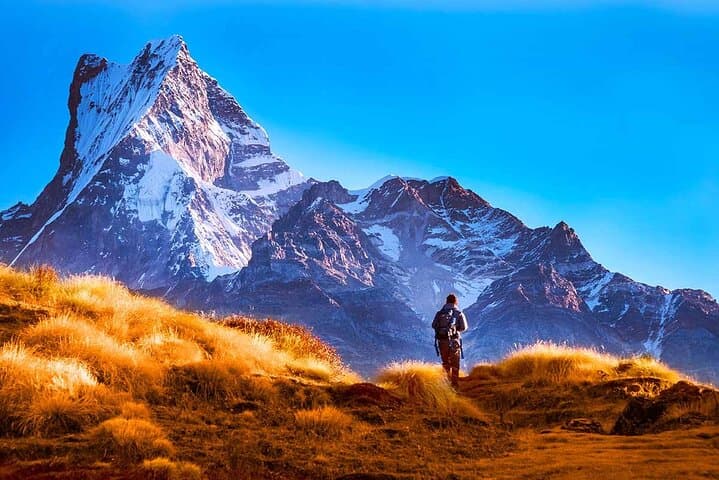
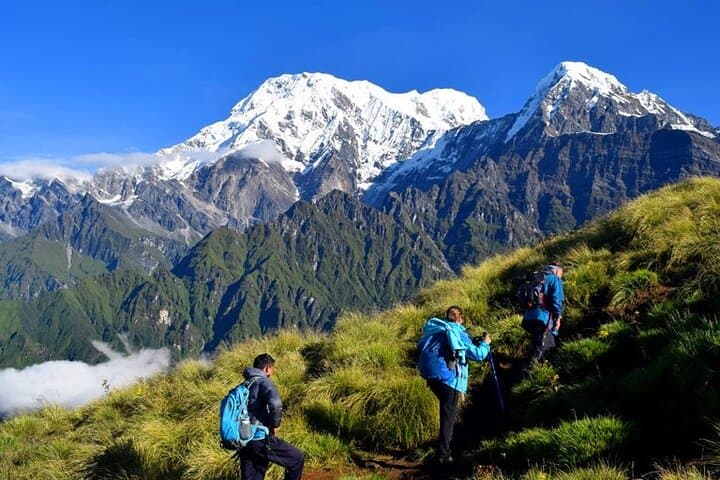
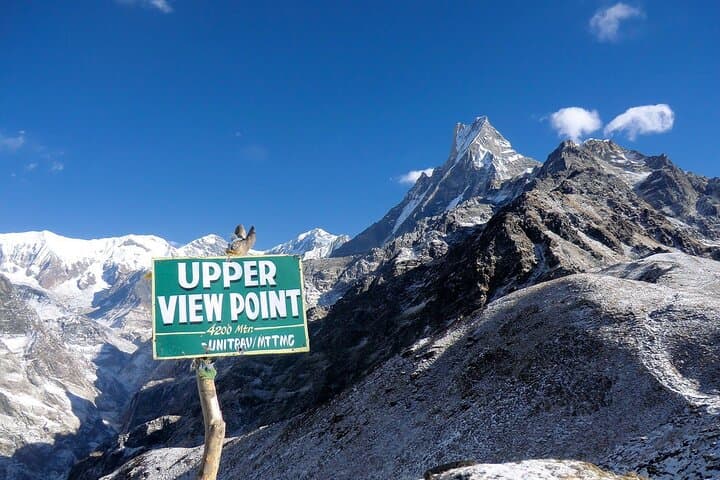
You step off the dusty jeep at Kande and the forest swallows the road—moss-dark trunks, rhododendron shoulders, and a trail that climbs like a breathing thing. The first day’s walks thread through village terraces toward Australian Camp; each bend teases the massif of Machhapuchhre until the mountains finally reveal themselves in full at High Camp. At dawn, the Upper View Point offers a blistering panorama: Mardi Himal (5,553m) sits close and crystalline while Annapurna’s giants line the horizon.
Verified experiences and guided adventures in the surrounding area.
Operated by Nepal Treks and Tour · Pokhara, Gandaki Province
You step off the dusty jeep at Kande and the forest swallows the road—moss-dark trunks, rhododendron shoulders, and a trail that climbs like a breathing thing. The first day’s walks thread through village terraces toward Australian Camp; each bend teases the massif of Machhapuchhre until the mountains finally reveal themselves in full at High Camp. At dawn, the Upper View Point offers a blistering panorama: Mardi Himal (5,553m) sits close and crystalline while Annapurna’s giants line the horizon.
The route skirts glacial valleys carved by ancient ice and follows drainage lines that once fed larger moraines. This little-known arm of the Annapurna range runs through Gurung country—villages of stone houses and terraced fields that still practice seasonal agriculture and hospitality. Geologically the trail moves from subtropical foothills into subalpine scrub and rocky moraine within days, so expect rapid changes in vegetation and temperature.
Practically, the trek is short but sharp: plan for several 4–6 hour walking days, one or two steep ascents above 3,000 m, and an acclimatization-aware push to the Upper View Point at about 4,500 m. Carry layers for wind and sudden snow, and bring both cash and a patient pace—teahouses and homestays in Siding provide cultural respite and straightforward meals. Hydrate early, start hikes at first light to avoid afternoon cloud build-up, and let the mountains set the tempo. The Mardi Himal is compact, intimate, and demands respect for altitude and weather—but rewards with some of the clearest Himalayan views you can reach in under a week.
moderate.
9–10 days.
Good aerobic fitness; comfortable walking 4–6 hours per day and able to handle sustained uphill sections and uneven terrain.
Yes—trekkers require the Annapurna Conservation Area Permit (ACAP) and a Trekkers’ Information Management System (TIMS) card; these are usually arranged in Pokhara or by your operator.
The highest common point is the Upper View Point (~4,500 m); symptoms can occur—move slowly, hydrate, and descend if severe symptoms appear.
A mix of wilderness camps, teahouses and local homestays in Siding; expect basic rooms, shared facilities, and cooked Nepalese meals.
Physically active beginners can do it with proper pacing and acclimatization, but those with cardiovascular or spinal issues should consult a doctor first.
The trail passes through traditional Gurung settlements; the Annapurna region has long been a crossroads for trans-Himalayan trade and mountain agriculture.
The Annapurna Conservation Area manages permits and promotes responsible trekking; avoid single-use plastics, pack out waste when possible, and stick to established trails to limit erosion.
Nepal Treks and Tour operates guided outdoor trips and adventures with an emphasis on safety, stewardship, and memorable experiences.
You step off the dusty jeep at Kande and the forest swallows the road—moss-dark trunks, rhododendron shoulders, and a trail that climbs like a breathing thing. The first day’s walks thread through village terraces toward Australian Camp; each bend teases the massif of Machhapuchhre until the mountains finally reveal themselves in full at High Camp. At dawn, the Upper View Point offers a blistering panorama: Mardi Himal (5,553m) sits close and crystalline while Annapurna’s giants line the horizon.
You step off the dusty jeep at Kande and the forest swallows the road—moss-dark trunks, rhododendron shoulders, and a trail that climbs like a breathing thing. The first day’s walks thread through village terraces toward Australian Camp; each bend teases the massif of Machhapuchhre until the mountains finally reveal themselves in full at High Camp. At dawn, the Upper View Point offers a blistering panorama: Mardi Himal (5,553m) sits close and crystalline while Annapurna’s giants line the horizon.
The route skirts glacial valleys carved by ancient ice and follows drainage lines that once fed larger moraines. This little-known arm of the Annapurna range runs through Gurung country—villages of stone houses and terraced fields that still practice seasonal agriculture and hospitality. Geologically the trail moves from subtropical foothills into subalpine scrub and rocky moraine within days, so expect rapid changes in vegetation and temperature.
Practically, the trek is short but sharp: plan for several 4–6 hour walking days, one or two steep ascents above 3,000 m, and an acclimatization-aware push to the Upper View Point at about 4,500 m. Carry layers for wind and sudden snow, and bring both cash and a patient pace—teahouses and homestays in Siding provide cultural respite and straightforward meals. Hydrate early, start hikes at first light to avoid afternoon cloud build-up, and let the mountains set the tempo. The Mardi Himal is compact, intimate, and demands respect for altitude and weather—but rewards with some of the clearest Himalayan views you can reach in under a week.